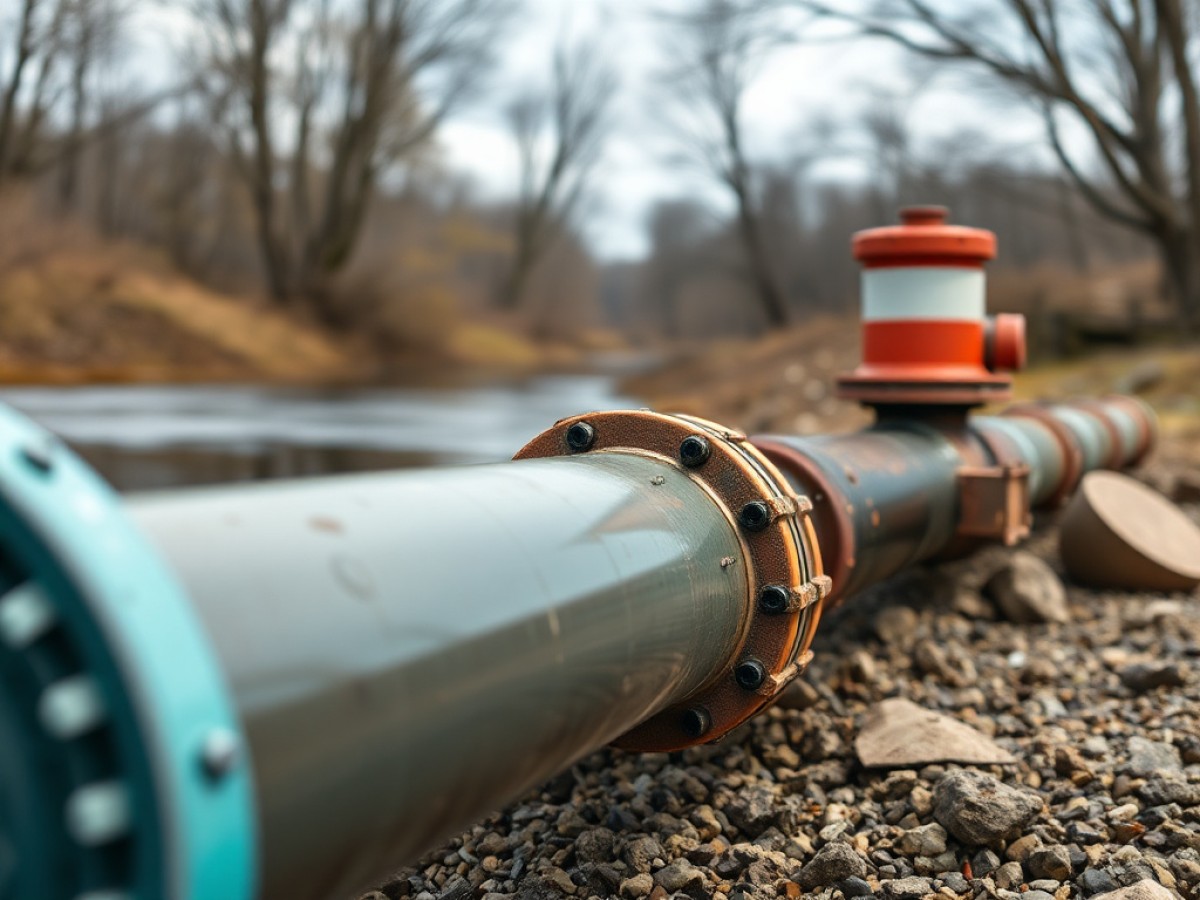
Repaired Pipeline Now Functional After Massive Sewage Leak into the Potomac River
The pipeline that burst and caused millions of gallons of untreated sewage to spill into the Potomac River has been fixed and is currently operational again. The incident, which significantly impacted the river’s environmental health, had local authorities and environmental experts scrambling to contain the damage and prevent future occurrences.
The Break and Immediate Response
The problem began when a significant pipeline, responsible for transporting sewage to a treatment facility, fractured. This break led to a vast amount of raw sewage—estimated to be millions of gallons—flowing directly into the Potomac River, a major water source for the surrounding areas. Immediate measures were undertaken to manage the spill, with emergency repair teams working around the clock to stem the flow of waste and fix the broken pipe.
Authorities alerted the public to avoid contact with the river water and postponed recreational activities until the situation was under control. Environmental specialists were deployed to assess the impact on wildlife and the ecosystem, fearing long-term damage to the river’s health.
Completion of Repairs and Resumption of Operations
After intense repair efforts, officials announced that the pipeline had been successfully restored and resumed normal operations. The repairs involved replacing the damaged section of the pipe and conducting thorough checks to ensure its integrity and prevent future leaks.
Local government representatives have expressed relief at the quick response and successful resolution of the incident. They emphasized that the swift actions taken by repair crews and environmental teams helped minimize the environmental impact and restored the pipeline’s function without further complications.
Ongoing Environmental Monitoring and Future Safeguards
Despite the resolution of the immediate crisis, environmental monitoring continues along the Potomac River. Specialists remain on site to observe the recovery of the aquatic environment and ensure that the water quality returns to safe levels. The incident has prompted discussions on improving infrastructure resilience and implementing more robust monitoring systems to detect and address such issues more swiftly in the future.
Authorities have also initiated a review of the existing sewage transport systems to identify and reinforce potential weak points. This strategy aims to enhance the overall safety and effectiveness of the sewage management infrastructure, thereby preventing similar environmental hazards.
The public has been reassured that the water quality will be closely monitored and that updates will be provided as the ecosystem recovers. The commitment to environmental protection and infrastructure improvement reflects a proactive approach to managing and mitigating the impacts of such unforeseen events, ensuring the preservation of crucial natural resources for future generations.
Similar Posts:
- Toxic Nightmare: Thousands Hit by Nausea and Delirium from Tijuana River Contamination
- Breaking News: Oil Spill Cleanup Underway in Southeast Louisiana: Authorities Take Charge!
- Thousands Suffer Health Issues from Tijuana River’s Toxic Wastewater: Urgent Environmental Crisis!
- Federal Approval for Line 5 Tunnel: Deemed ‘Not Contrary to Public Interest’
- Michigan Approves Controversial Line 5 Permits: Admits ‘Significant Impacts’

Morgan Ellis is an investigative journalist passionate about environmental policy and corporate accountability. With a background in climate science and years of reporting for nonprofit media, Morgan brings depth, clarity, and purpose to every story.