From vintage treasures to Dinky Toys and Star Wars memorabilia, scammers have their ways of making items appear authentic. Here are some tips on how to steer clear of these deceptions.
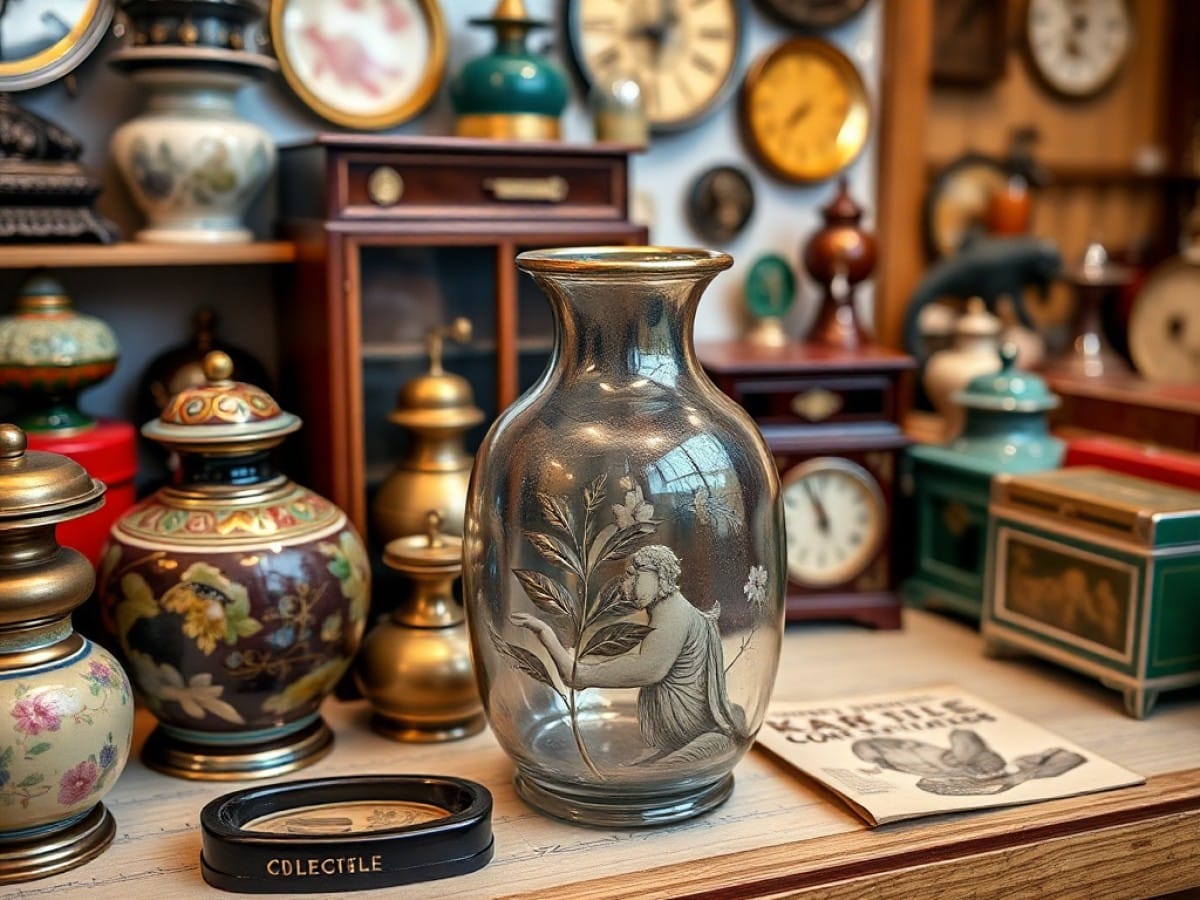
Kayleigh Davies was examining a vase labeled as a product of the prestigious French glassmaker Lalique when she realized it was a counterfeit.
The name “Lalique” had been inscribed on the bottom of the vase, but Davies, who is an adept antiques appraiser, detected inconsistencies.
“The seller had paid someone to etch ‘Lalique’ onto the base, thinking it would increase its value,” she explained.
“It was actually a quite attractive vase that we would have sold had it not been falsely engraved. Unfortunately, we had to reject it.”
Fraud involving antiques and collectibles has a long history, but online sales have given scammers access to a broader market.
Davies, who works as a specialist in antiques and collectibles at the Auctionet marketplace, indicates that there are strategies to avoid falling prey to these scams.
Signs of a Scam
At times, a seller might claim a vase is in impeccable condition, but upon closer examination, you might find a well-restored crack that could impact its value.
Or perhaps, an old Dinky Toys vehicle might have been repainted a unique color, noticeable from screws on the base that have been tampered with to facilitate the repaint.
There are numerous ways individuals manipulate collectibles to fetch higher prices, according to Davies, but there are also ways to remain vigilant.
For instance, Star Wars figures that are still in their original packaging can be extremely valuable, but beware of scams involving cheap figures rehoused in deceptive packaging.
Genuine antique items, like an old drinking glass, are likely to show signs of wear such as scuffs on the bottom from being set down repeatedly over the years.
“If something looks off, ask questions. If the item is a counterfeit, the seller will likely become defensive and may refuse to provide further details,” Davies advises.
“If they’ve made an error, they should be willing to correct it. Always feel empowered to question if something seems amiss.”
Exercise caution particularly with electrical items like lamps, where outdated or defective wiring could pose a fire risk.
Moreover, extra caution should be exercised with autographs. “If someone possesses just a single autograph with unclear origins, it’s best to avoid it. You should seek strong provenance, and for contemporary signatures, a video of the signing is ideal.”
Recommended Actions
Platforms like eBay have policies against selling counterfeit or fake items. eBay’s “money-back guarantee” ensures you receive a refund for most items that don’t match their listing descriptions.
According to Citizens Advice, you are legally entitled to a refund if you purchase an item that turns out to be counterfeit.
If a seller refuses a refund, and you paid by debit card, or if the item cost less than £100 and you paid by credit card, you can initiate a chargeback through your bank. For purchases over £100 made with a credit card, you can file a Section 75 claim.
Should you suspect you’ve bought counterfeit goods, or if you believe someone is selling such items, you can report it to Report Fraud, the national fraud reporting center.
Additionally, you can report the seller to Trading Standards through Citizens Advice.
Similar Posts:
- Smoking Wires Exposed: Avoiding Counterfeit Scams on Vinted and Resale Platforms
- Brushing Scam Alert: Britons Warned as Mystery Parcel Fraud Skyrockets!
- Beware Oasis Fans: Unraveling the Ticket Scams Plaguing Concert Enthusiasts
- Amazon Demands Phone Return Despite Claiming It’s ‘Lost’: Customers Left Baffled!
- Shocking Scams at Brazilian Beaches: Tourists Pay £600 for Cheese!