Preparation for Uncertain Times: Building a Food Reserve
In times of uncertainty, it is advisable to establish a reserve of food supplies, focusing on items that have a long shelf life and do not require cooking, experts suggest.
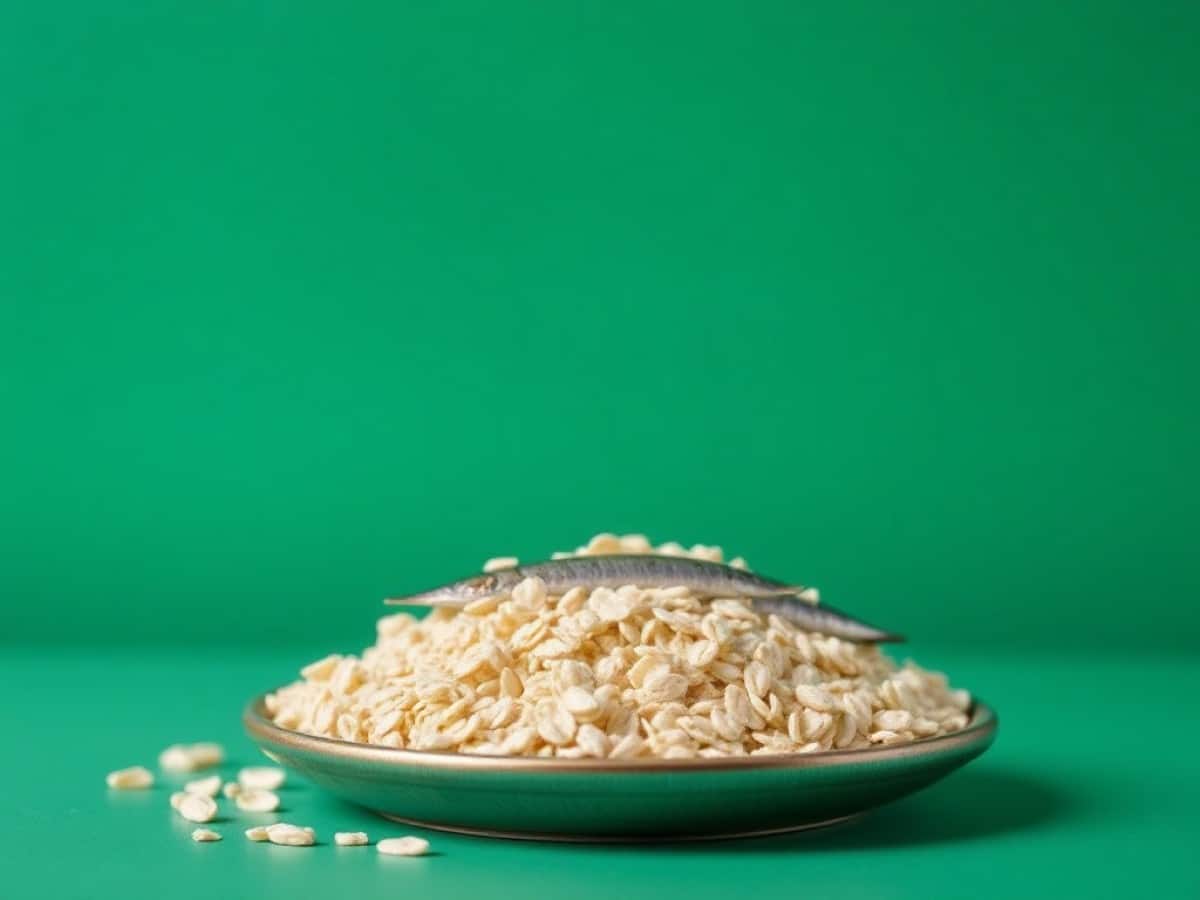
Leading British specialists have advised the public to maintain an emergency food supply at home to prepare for potential disruptions caused by conflicts, severe weather events, or cyber-attacks, as reported by the Guardian. In a world that is increasingly unstable, it is crucial to stock up on non-perishable foods that can be consumed without the need for cooking. Recommended items include canned beans, vegetables, fish, rice cakes, and oats that can be soaked. Additionally, it is important to include preferred food items and small indulgences like chocolate or potato chips to help lift morale. An ample supply of water is essential not only for drinking but also for hygiene purposes.
One unexpected piece of advice is the importance of sharing your food reserve with neighbors. Given that approximately one in seven UK households with children experience food insecurity, not everyone can afford to create a stockpile. Lack of food can quickly lead to social unrest, experts warn.
“Certainly, store food, but be ready to share to preserve community unity,” Professor Tim Lang emphasized. He pointed out that maintaining social cohesion is critical to preserving order during crises, as evidenced by historical resilience studies and experiences from conflicts and emergencies.
Experts have raised concerns that a single emergency could lead to social upheaval and even food riots in the UK. A report from a group of the nation’s leading food specialists, published in February, described the food system as highly vulnerable due to low incomes and delicate “just-in-time” supply chains. Compounding these issues are the impacts of the Iran war, which has disrupted essential supplies like fuel and fertilizers needed by farmers.
Professor Lang criticized the UK government in early March for not stockpiling food, unlike countries such as Switzerland. A government report from 2024 also highlighted the potential for severe food security threats due to climate change and geopolitical instability, suggesting that the UK could face catastrophic failures by 2030. Additionally, UK greenhouse growers have already reported potential shortages of vegetables like cucumbers, tomatoes, and peppers in supermarkets due to rising gas prices.
Some nations take the preparation of emergency home food stockpiles very seriously, enhancing the overall resilience of their societies during crises. For example, the Swiss government offers a website where individuals can input details about their family, dietary restrictions, and even pet needs to receive a customized list of necessary food supplies. A typical weekly supply for a family of four might include 20 cans of vegetables, seven packets of instant soup, salami, a kilogram of coffee, and 47 bottles of water, each holding 1.5 liters.
Germany offers a similar resource, and countries like Latvia and Lithuania provide their citizens with booklets on how to survive for 72 hours in an emergency situation. Sweden also gives comprehensive advice on stocking up on emergency food supplies by suggesting the addition of one or two items during regular shopping trips.
In contrast, the UK’s food preparedness advice on its Prepare website is notably brief, consisting of just one sentence. Professor Lang criticized the guidance as inadequate, stating, “The government should be offering more specific advice to protect us.”
Lang himself keeps a substantial food reserve. “You have to consider scenarios where you might have no cooking facilities, no water, and no internet access,” he explained. He stores essentials like beans, dried goods, canned fish, and oats, which can be soaked and eaten raw.
For those with access to a garden, Lang recommends growing vegetables and herbs to enhance meals and provide essential micronutrients. He mentioned growing spinach and using herbs like chives to improve the flavor of repetitive meals.
As for water, Lang emphasized the need for a significant amount: “At a minimum, you’ll need between 7 to 12 liters per person per day.”
Professor Sarah Bridle from the University of York also advocates for keeping an emergency food store. She emphasized the importance of selecting items that are regularly consumed to avoid waste. During the Covid lockdowns, she stocked up on beans, lentils, and chickpeas, which she uses frequently.
While official guidelines on what to store are beneficial, they should not be overly restrictive to avoid wastage of items that are not liked, she noted. Treats, especially for children, are also important, with crisps being her preferred choice.
Environmental activist and writer George Monbiot has often highlighted the vulnerability of the food system. He shared that his own stockpile includes substantial quantities of rice, chickpeas, flour, oats, vegetable oil, tinned tomatoes, nuts, and dried fruit, which together provide about two months’ worth of food for his family of three.
Addressing the risks associated with food shortages calls for significant systemic changes, but individual home stockpiles can provide a crucial buffer for authorities during emergencies.
A spokesperson for the UK’s Department for Environment, Food and Rural Affairs emphasized the country’s strong food security, supported by robust domestic production and stable import channels. The UK produces about 60% of its food, while countries like the US, France, Australia, and the Netherlands have high levels of food self-sufficiency.
“The government is closely monitoring developments in the Middle East and their impact on our food and farming sectors,” she stated. “There is no need for consumers to alter their purchasing habits, and we are prepared to respond quickly and effectively to support our agricultural sector and safeguard food security.”
Lang criticized the government’s approach as complacent and urged the public to pressure their MPs to push for better preparedness for potential food crises and supply disruptions. “This isn’t about fearmongering; it’s about being mature and pragmatic,” he concluded.
Similar Posts:
- Giant, Creamy Butter Beans: Find Out Which Brands Top Our Taste Test!
- Hurricane Alert: Essential Tips to Safeguard Your Pets!
- Boost Your Health and Wallet: Discover How Beans Make Meals Cheaper and Healthier!
- Slash Your Grocery Bills & Save the Planet: Essential Tips to Reduce Food Waste and Pollution!
- Puerto Rico in Crisis: Emergency Water Rationing Begins Amid Severe Drought