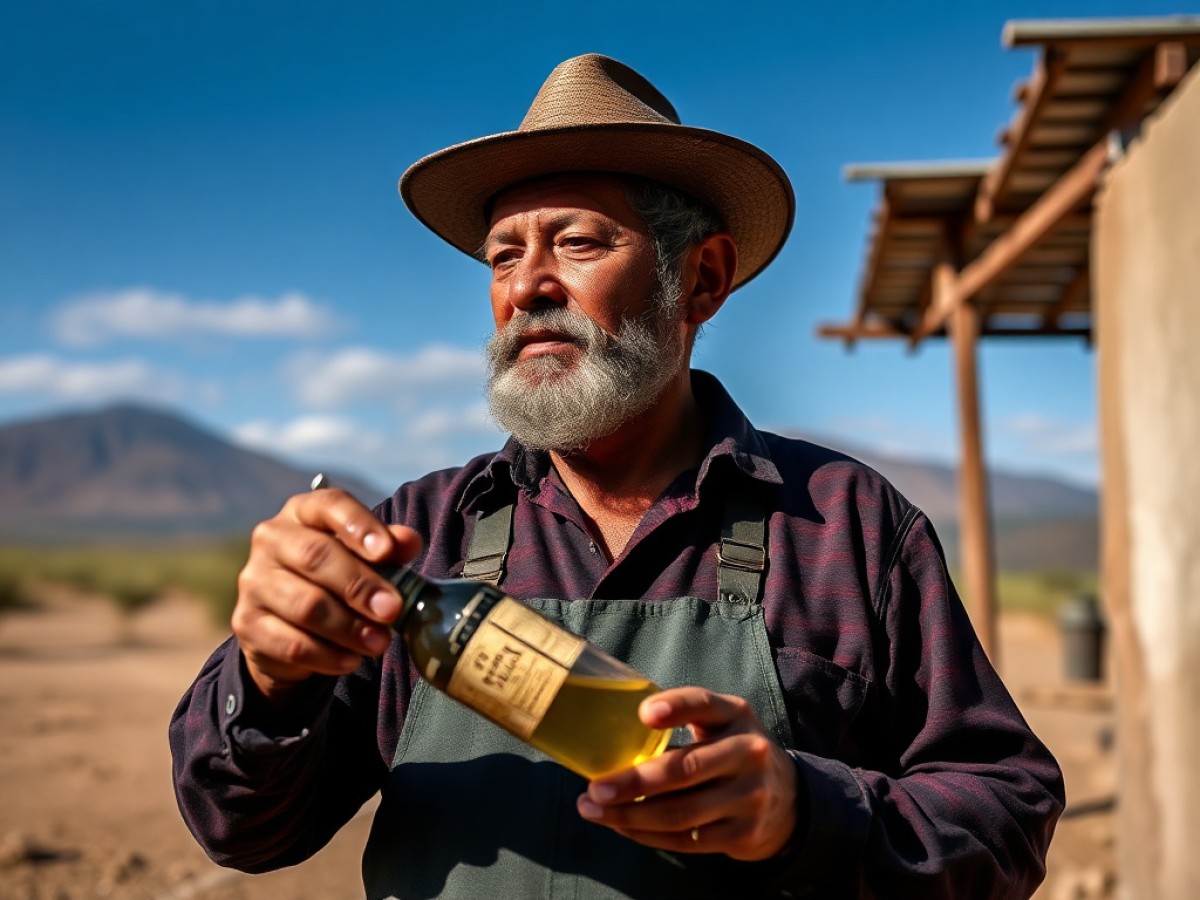
Oaxacan Mezcal Makers Discuss the Economic Influence of Their Craft
In Oaxaca, the heart of mezcal production, local distillers are not just preserving a traditional craft but also contemplating its broader economic effects. As they pose for photographs, their faces tell stories of tradition, pride, and a nuanced perspective on the industry’s impact on their community and beyond.
The Tradition of Mezcal Making
Mezcal, a distilled alcoholic beverage made from agave, is deeply woven into the cultural fabric of Oaxaca. The process of making mezcal is labor-intensive and has been passed down through generations, remaining largely unchanged. This artisanal approach supports the local economy by providing jobs and sustaining small-scale agave cultivations.
Distillers, often seen tending to their agave plants or monitoring the distillation process, share a common belief in the importance of maintaining the traditional methods. They argue that these practices not only produce a superior product but also preserve a piece of Oaxacan heritage.
Economic Effects on Local Communities
The mezcal industry significantly boosts the Oaxacan economy. It not only provides employment opportunities in rural areas where job options might be limited but also stimulates related sectors such as bottling, labeling, and tourism. Tourists flock to mezcal distilleries eager to learn about the production process and to taste different varieties, thereby contributing to the local economy.
Furthermore, the global rise in popularity of mezcal has opened up international markets to local producers. This has led to increased exports which, in turn, generate substantial revenue for the region. However, this popularity also brings challenges, such as meeting higher demands and maintaining the quality and authenticity of their product in the face of mass production pressures.
Reflections from the Mezcal Makers
As they pose for photos, mezcal producers in Oaxaca not only capture the essence of their trade but also reflect on these economic impacts. Many express a sense of responsibility to their community, emphasizing the importance of sustainable practices that benefit both the environment and the local people.
They discuss the dual-edged nature of their success: while the economic benefits are clear, there is also a need to manage growth responsibly to avoid over-exploitation of resources and preserve their cultural legacy.
In summary, the mezcal makers of Oaxaca stand at the intersection of tradition and modernity, where they continue to shape their future through their ancestral craft. As they navigate the complexities of an expanding market, their commitment to sustainability and community welfare remains a guiding principle for their ongoing success.
Similar Posts:
- Discover Mezcal: Inside Mexico’s Ancient Spirit-Making Process
- Mezcal Mania Hits the US: Environmental Toll Rises in Mexico
- Stunning Photos: How Driftwood Collection is Transforming Rural Alaska’s Economy and Lives
- Venezuela’s Oil Dilemma: How Increased Production Could Damage Environment
- Why Live Music is Essential Now More Than Ever: The Unseen Benefits of Gigs

Morgan Ellis is an investigative journalist passionate about environmental policy and corporate accountability. With a background in climate science and years of reporting for nonprofit media, Morgan brings depth, clarity, and purpose to every story.