Unscrupulous service providers attract customers with their deceptively low advertised prices, only to charge them up to ten times that amount upon completion of the service.
Imagine it’s late on a Sunday evening and as you try to unlock your front door, your key breaks off in the lock. Stranded outside, you turn to the internet to find an emergency locksmith and spot an ad promising to fix the problem for £69. Desperate, you make the call.
The locksmith shows up, performs no diagnostics, quickly drills out the old lock, installs a new one, and then hands you a bill for over £700, detailing various charges that far exceed the initial quote.
This scenario is a classic example of a “bait and switch” tactic. Operating in an unregulated sector, these deceitful locksmiths entice customers with low rates—often around £49—only to bill them exorbitantly after the job is completed.
According to the Master Locksmith Association (MLA), a reputable UK industry group, complaints about such scams have been on the rise, seeing a 66% increase in overcharging reports in 2025 compared to 2021.
The Guardian reported an incident last year where a customer was initially quoted £49 to repair a lock but was later charged £1,406, with the locksmiths refusing to leave until the payment was made.
Another case involved a customer who paid £729.60 for a new lock installation; the price included labor and parts, with the lock cylinder alone billed at £375, despite being available online for just £20.
Steffan George, the managing director of the MLA, expressed concern that the 402 complaints received last year barely scratch the surface of this widespread issue.
“This type of purchase is made under distress. These businesses exploit individuals who are vulnerable due to being locked out or having lost their keys,” he noted.
Appearance of Scams
These deceptive advertisements often show up in Google search results, promising standard Yale locks for prices ranging from £39 to £79.
Craig Andres, a legitimate locksmith from Bristol, observed that dishonest operators typically arrive in a personal vehicle, lacking any uniform or professional equipment.
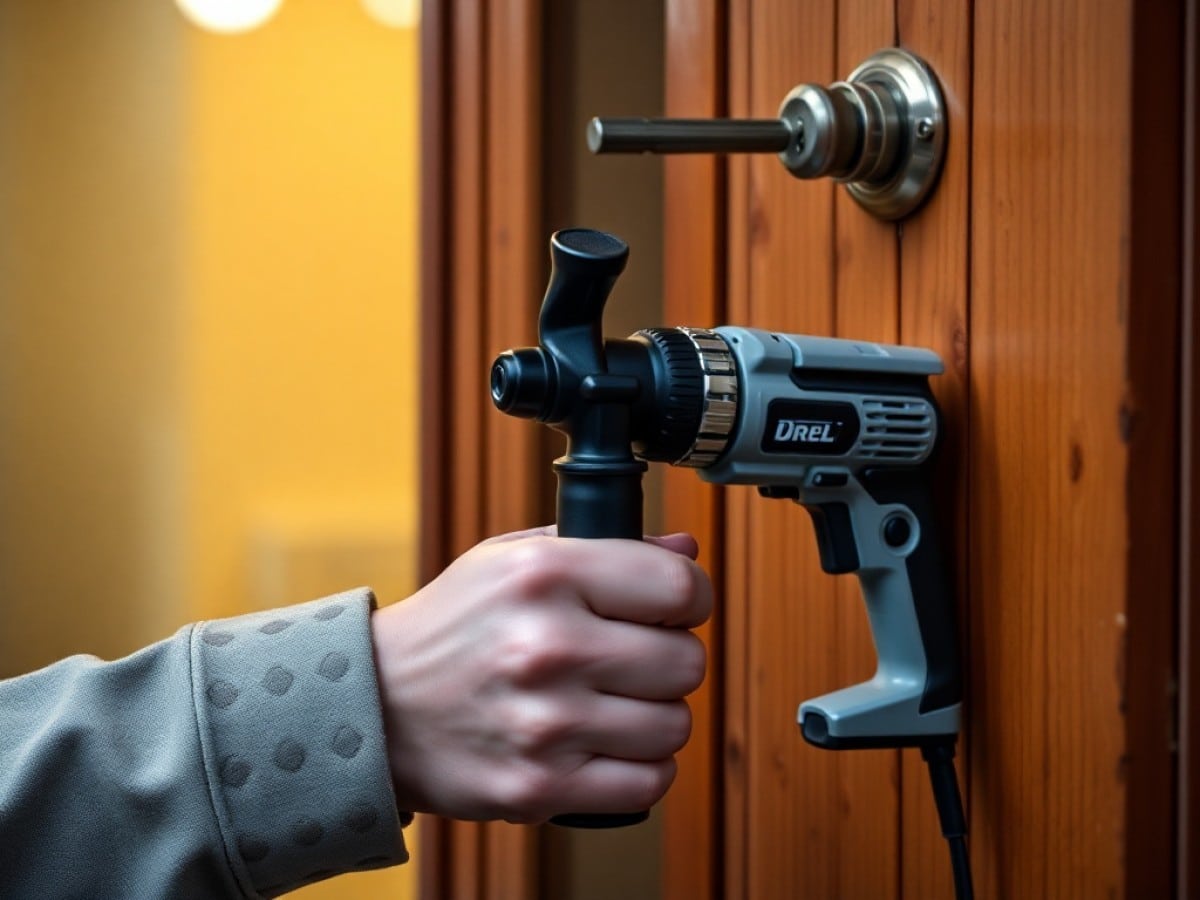
Whereas a genuine locksmith would request identification to confirm residency, fraudulent ones skip this step and resort immediately to drilling, earning them the moniker “driller killers” within the industry.
“A skilled locksmith would bring a variety of tools to address different problems,” Andres explained. “Scammers, however, will just use a 10mm drill bit to destroy your lock, knowing they’ll have to replace it.”
George emphasized that a reputable locksmith would engage in a detailed discussion about the issue, including questions about what occurred, the door involved, and the type of lock affected.
“These fraudsters don’t ask questions. They simply repeat their low price and rush to offer their services,” he said.
In addition to the initial callout charge, they will bill you for opening the lock, replacing it, and fitting the new one, then add VAT. “The final bill often ends up between £300 and £1,000, depending on how much they decide to overcharge you,” Andres added.
Typically, these dishonest locksmiths insist on payment via bank transfer to prevent any possibility of a chargeback, unlike trustworthy locksmiths who often accept card payments.
Steps to Take
Andres advises that a typical job should cost around £200, urging caution against significantly lower quotes.
The MLA recommends steering clear of advertisements claiming police endorsements, as these are often misleading; the police do not endorse businesses.
It’s also wise to ask if the locksmith will personally do the job or outsource it, and who should be paid if it’s the latter.
Inquire specifically about what the advertised price includes and whether it is a final amount or just an estimate. Confirm that the locksmith displays the MLA logo, indicating they are vetted and certified by the association.
If you end up paying an inflated bill, contact your bank to attempt to recover the funds.
Google asserts that it does not permit ads that mislead users by hiding or distorting information. You can report any misleading ads directly to Google.
A Google spokesperson stated, “User protection is our highest priority, and we enforce strict advertising policies to govern what we allow on our platforms.”
Similar Posts:
- Lost Your House Keys? Essential Steps to Secure Your Home and Replace Your Keys
- UK Energy Crisis: Households Hit by Unexpected Bill Increase Starting January
- Energy Giant Octopus to Compensate £1.5 Million for Numerous Billing Mistakes
- Shocking Scams at Brazilian Beaches: Tourists Pay £600 for Cheese!
- Skyrocketing Premiums: Homeowner Stunned as Co-op Insurance Quote Nearly Triples!