The Allure and Complexity of the “Tradwife”
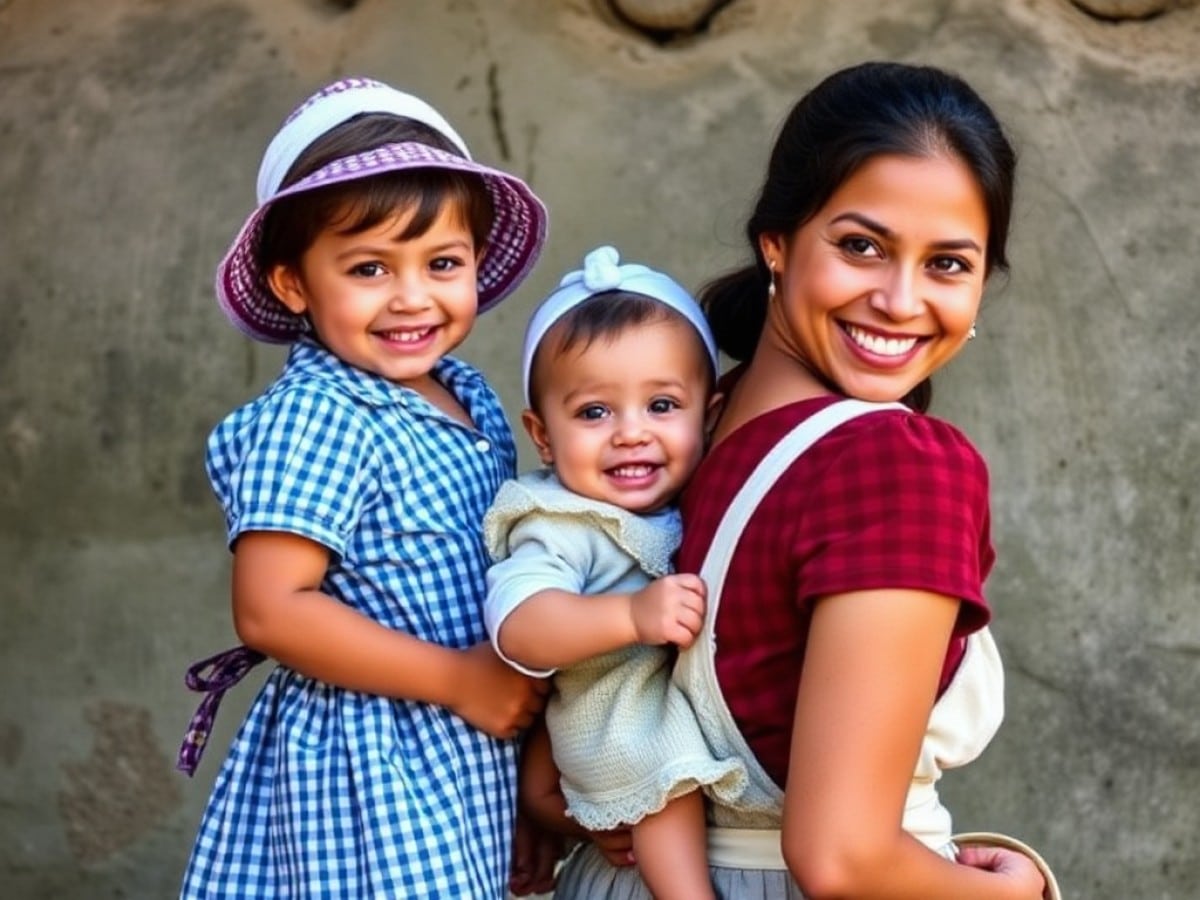
Picturing gingham dresses and linen aprons, we see toddlers grinning broadly while perched on their mother’s angled hip. These mothers, invariably radiant, communicate softly, their skin shimmering in shades reminiscent of honey.
The Emergence of “Tradwife”
The term tradwife sounds quaint, almost forcing you to utter it with a melodious tone. Discussions about this trend are overwhelmingly penned by women, despite its origins tracing back to male-dominated corners of online “incel” forums. Here, men fantasized about ideal spouses, the antithesis of modern women, expected to manage households, bear children, and fulfill desires without ever challenging the status quo.
The Misunderstood Roots of “Tradwife”
Most are unaware of these murky beginnings. Instead, the term tradwife conjures images of popular social media influencers like Hannah Neeleman and Nara Smith, who transformed their wealth into vast empires by showcasing domestic bliss and DIY projects, all while decked out in designer attire.
The Cultural Lifespan of the “Tradwife”
In the two years since tradwives became a cultural phenomenon, I’ve engaged in numerous discussions about them — initially as a journalist, and later while promoting my novel, Yesteryear, soon to be a film starring Anne Hathaway. A recurring question arises: How enduring will this trend prove to be?
A Shift in Cultural Narratives
Just a decade ago, media and entertainment fiercely criticized regressive gender roles, as captured by Margaret Atwood’s The Handmaid’s Tale — a grim prophecy of female subjugation that gained renewed interest during Donald Trump’s presidency. Now, as the tradwife gains traction, it seems we’re witnessing a cultural regression, or perhaps a sophisticated rebranding of old gender norms.
While the handmaid’s costume became a symbol of protest, the tradwife persona has not been effectively challenged by liberal movements, possibly because it was designed not as a warning but as an ideal.
The Fading Symbols of Resistance
By 2026, feminist symbols like the Women’s March have diminished in visibility and impact. The once-powerful image of the handmaid is now overshadowed by more dire needs, such as protection against tear gas at protests.
The recent rise in gender-based violence underscores the ominous implications of political systems that view women only as service providers, hinting at a dark trajectory for women’s rights and voices.
Challenging the “Tradwife” Narrative
While discussing my novel and the broader implications of the tradwife trend, I’m often steered towards lighter topics, such as fashion trends influenced by this ideal. Yet, when I attempt to address more severe consequences, like the tragic story of Renee Good, I’m advised to tone down my rhetoric, leaving me feeling isolated in my concerns.
It’s clear to me that the tradwife is not merely a fad but a carefully constructed archetype, serving to reinforce traditional gender roles under the guise of nostalgia and aesthetic preference.
The Rise of the Tradwife Amid Societal Pressures
The tradwife phenomenon did not emerge from a vacuum but appeared just as societal pressures were peaking — indicated by a dramatic exit of women from the workforce due to unmanageable caregiving demands. This trend wasn’t about empowering women but reminding them of their “place.”
Perhaps this is why I wrote my novel — to subvert not just the image of the tradwife but the world that upholds her silence and compliance. It’s a narrative exploration to see how long it will take before the facade cracks and the true voice of resistance emerges.
Yesteryear by Caro Claire Burke is available from 4th Estate, released on 9 April. To support the Guardian and get a copy, visit guardianbookshop.com. Delivery fees may apply.
Similar Posts:
- Women Rangers in Indonesia: Brave Patrols Combat Deforestation!
- Eco-Friendly Periods Surge: Why Women are Choosing Reusable Menstrual Products
- Banned Books Exposed: Discover the 20 Controversial Titles They Hid from You!
- Harvard Study Reveals Top Regrets of Women as They Age: Insights Unveiled!
- Easter Island’s Iconic Moai Threatened by Rising Seas by 2080: New Study Reveals Urgent Risk

Fatima Clarke is a seasoned health reporter who bridges medical science with human stories. She writes with compassion, precision, and a drive to inform.