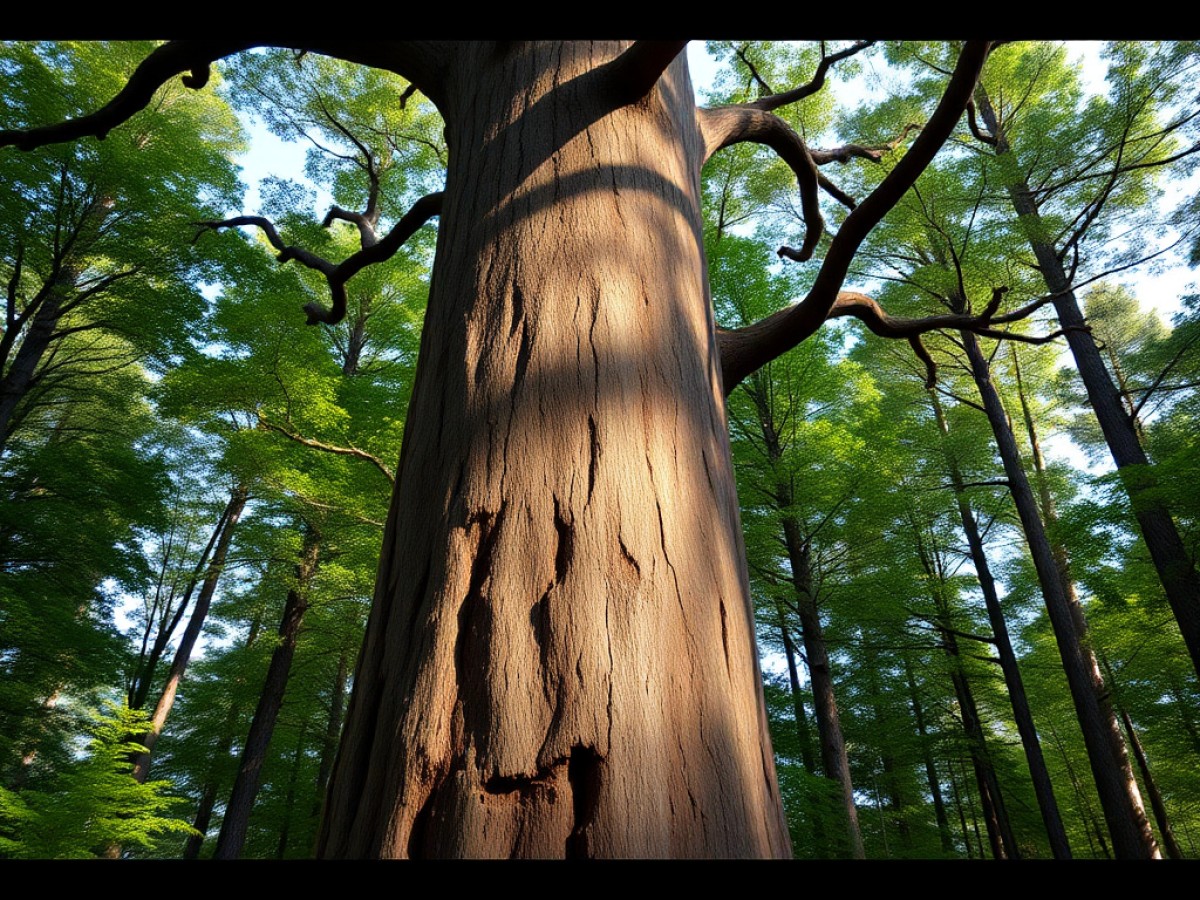
The Forgotten Giant: The American Chestnut’s Role in Eastern Ecosystems
Once a towering figure in the forests of the eastern United States, the American chestnut tree was more than just a part of the landscape; it was an ecological and cultural pillar. These majestic trees were prevalent, making up about a quarter of the hardwood forest across the Appalachians. From Maine to Georgia, their creamy white blossoms heralded spring, and their bountiful nuts fed wildlife and humans alike.
The Lifeblood of the Forest
The American chestnut was not only a visual spectacle but also a crucial component of the regional ecology. Its nuts were a vital food source for numerous animals, including deer, turkeys, and squirrels. In addition, the tree played a significant role in the economy of rural communities. Families collected the nuts to eat, sell, or feed to livestock. The wood, known for being both lightweight and rot-resistant, was highly sought after for construction, furniture, and fencing.
Catastrophic Collapse
The dominance of the American chestnut came to an abrupt end with the arrival of the chestnut blight, a fungal disease introduced from Asia in the early 20th century. The blight was first identified in 1904 at the Bronx Zoo in New York City, and it spread rapidly throughout the eastern forests. By the middle of the century, the blight had devastated the American chestnut population, effectively erasing it from the landscape.
The loss of the American chestnut is considered one of the greatest ecological disasters in the U.S. The blight not only destroyed the trees but also had a profound impact on the ecosystems and communities that depended on them. The void left by the chestnut altered forest composition and the dynamics of the woodland ecosystems.
Efforts to Revive a Legend
In recent decades, scientists and conservationists have been working tirelessly to bring the American chestnut back to its native forests. Through methods like cross-breeding with blight-resistant species, such as the Chinese chestnut, and genetic engineering, they aim to develop blight-resistant American chestnut trees that can thrive in eastern forests once again.
These efforts have led to the development of new strains of chestnuts that show greater resistance to the blight, promising a hopeful future for this iconic tree. The goal is not only to reintroduce a species but to restore an ecological balance that has been missing for nearly a century.
Rekindling Hope for the Future
The revival of the American chestnut is a symbol of hope and resilience. It represents a desire to correct past mistakes and a commitment to restoring the health and diversity of eastern forests. As these efforts continue, there is an optimistic outlook that the American chestnut will once again play a critical role in the landscape, ecology, and communities of the Eastern United States.
In sum, the American chestnut’s story is one of rise, fall, and hopeful resurrection. It underscores the importance of maintaining ecological balance and reminds us of the impact humans can have on the environment. The ongoing work to restore this once-dominant tree could help heal not only the landscape but also provide a blueprint for recovering other threatened species and ecosystems.
Similar Posts:
- Revolutionary DNA Breakthrough: Speeding Up Restoration of America’s Iconic Chestnut Trees!
- British Columbia’s Last Old Growth Logging: Protesters Sleep in Road to Halt Destruction
- Forest Service Boosts Montana Timber: New ‘Sustained Yield’ Strategy Revives Industry!
- Ancient Surreal Trees at Risk: Scientists Sound Alarm on Their Future
- Brazil’s Amazon Wins Deforestation Battle: Forest Degradation Threatens Progress!

Morgan Ellis is an investigative journalist passionate about environmental policy and corporate accountability. With a background in climate science and years of reporting for nonprofit media, Morgan brings depth, clarity, and purpose to every story.