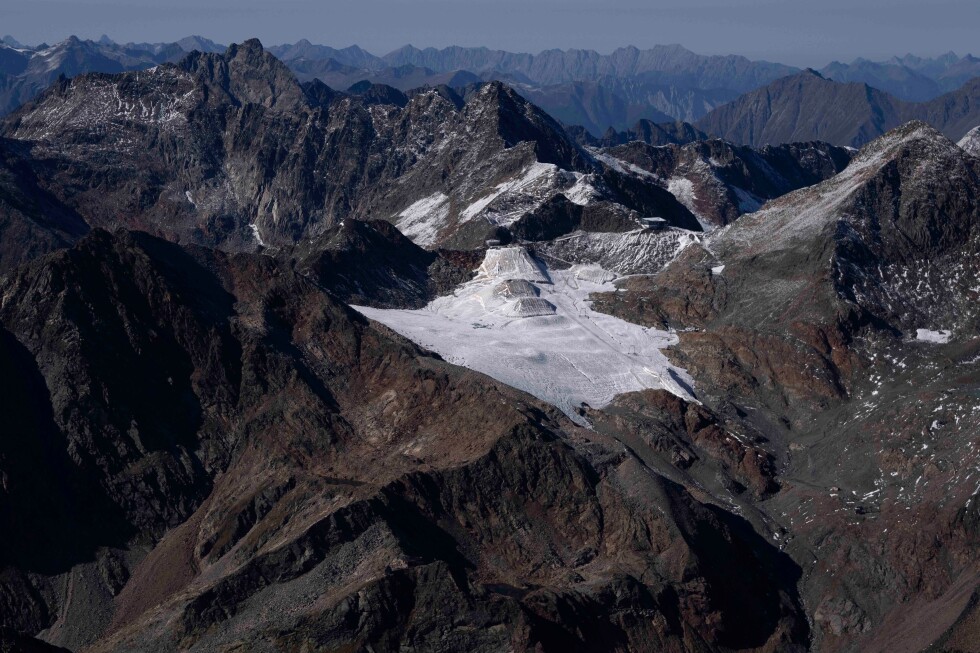
Only Two of Austria’s Glaciers Avoided Retreat in the Past Two Years
A recent report has revealed a stark decline in Austria’s glaciers, with 94 out of 96 glaciers showing signs of retreat in the last two years. This alarming figure underscores the rapid changes occurring in glacier regions and highlights the widespread impacts of climate change.
Investigation and Findings
The study, conducted by the Austrian Alpine Association, involved the meticulous observation and measurement of glaciers across Austria. Over the course of two years, experts noted that nearly all the monitored glaciers had reduced in size, indicating a significant melt.
Andrea Fischer, a glacier expert involved in the study, stated that this retreat is among the most severe observed in recent times. The speed and uniformity of the glacier retreats across Austria suggest an undeniable acceleration in melting rates, which scientists attribute primarily to rising global temperatures.
Implications of Glacier Melt
The retreat of glaciers has profound implications for Austria’s Alpine region. Glaciers play a critical role in the ecosystem, influencing water supply, soil moisture levels, and even local weather patterns. As they diminish, there could be a notable impact on water resources, which are crucial for agriculture, drinking supplies, and hydroelectric power.
Furthermore, the disappearance of these glaciers is also a concern for local tourism, an industry that thrives on ski resorts and scenic glacier tours. The changing landscape could deter tourists, impacting the economy that is heavily reliant on this sector.
Global Context and Future Outlook
The situation in Austria mirrors the broader global trend where glaciers around the world are retreating at alarming rates. From the ice fields of Patagonia to the Himalayas, reports indicate similar patterns of glacial retreat due to climate change.
As for the future, experts like Fischer are not optimistic unless significant steps are taken to address climate change. Reducing greenhouse gas emissions, implementing sustainable land use practices, and investing in renewable energy are among the measures that could help mitigate the effects of global warming.
In conclusion, the retreat of 94 out of 96 of Austria’s glaciers in just two years is a clear indicator of the urgent need for environmental action. This phenomenon not only highlights the immediate impacts of climate change but also serves as a call to action for policymakers and individuals alike to work towards a more sustainable future.
Similar Posts:
- Climate Crisis Escalates: Killer Heat Wave in Mexico & US 35x More Likely, Intensity Soars
- Easter Island’s Iconic Moai Threatened by Rising Seas by 2080: New Study Reveals Urgent Risk
- Austrian Jets Intercept US Military Planes Again: Tensions Rise for Second Consecutive Day
- Climate Crisis Alert: Scientific Societies Rally as Trump Questions Key Report
- Olympic Mascots Face Climate Threat: Beloved Color-Changing Critters at Risk!

Morgan Ellis is an investigative journalist passionate about environmental policy and corporate accountability. With a background in climate science and years of reporting for nonprofit media, Morgan brings depth, clarity, and purpose to every story.