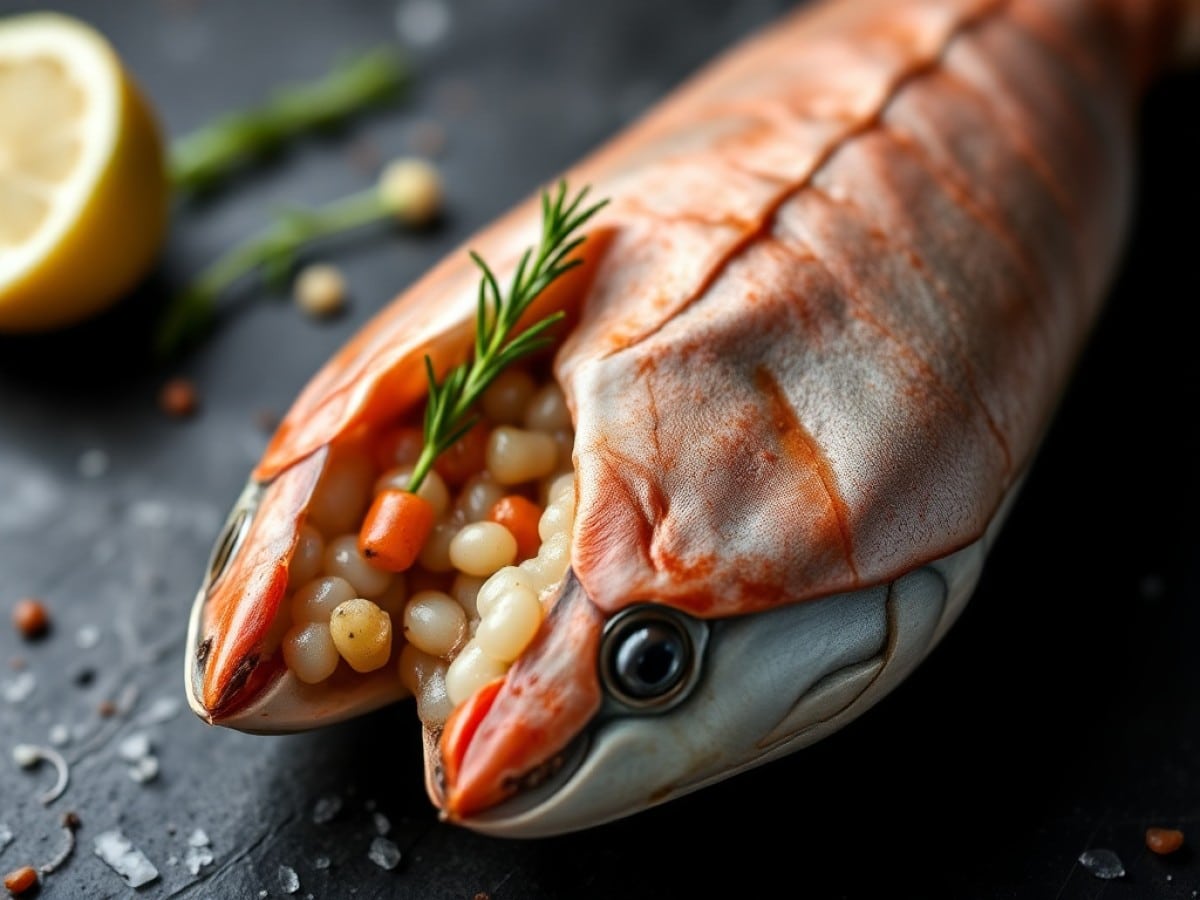
During this season, the heat speeds up the decomposition of food and promotes the growth of bacteria, increasing the risk of conditions such as infectious gastroenteritis, salmonellosis, amoebiasis, and bacterial poisoning.
MEXICO CITY (apro) – During the Lenten season, the primary risks associated with consuming seafood are bacterial contamination, mainly by microorganisms such as Vibrio, Salmonella, and E. coli, warned Ada Berenice Vargas Ortiz, the head of the Clinical Nutrition Service at the General Hospital of Mexico “Eduardo Liceaga” (HGMEL).
“It’s crucial that fish and shellfish are thoroughly cooked until they change color, become firm in texture, and flake easily,” she stated.
The expert mentioned that unlike heat, methods such as using lemon or vinegar “do not eliminate bacteria, as they only alter the appearance and pH of the food, without ensuring its safety.”
Meanwhile, Ana Karen Tena Huerta, a nutritionist affiliated with Family Medicine Unit (UMF) No. 4 of the IMSS, explained that during this season, the heat accelerates the decomposition of food and promotes bacterial growth, which increases the risk of diseases like infectious gastroenteritis, salmonellosis, amoebiasis, and bacterial intoxications.
She added that in the preparation of dishes like ceviches or cocktails, “lemon is a method of acidification, not cooking; therefore, it does not eliminate bacteria or pathogens.” Thus, she warned that relying solely on this method can pose a health risk.
Guidelines
The specialists reminded that fish and shellfish are highly perishable foods. Therefore, they recommended that the public take extreme measures in hygiene, preservation, and proper preparation during this season when their consumption increases.
Key actions to prevent gastrointestinal infections include:
- Proper cooking with heat
- Maintaining a cold chain at all times, from purchase to preparation at home
- Keeping food at temperatures below 4 °C. If the cold chain is broken, bacteria can multiply rapidly and pose a health risk
- Avoiding raw consumption
- Preventing cross-contamination at home by using separate boards, knives, and utensils for raw and cooked foods
- Maintaining proper hand hygiene during preparation
- Defrosting using a microwave
Signs of Spoilage
The expert acknowledged that while fish and shellfish are excellent sources of protein and omega-3 fatty acids, their consumption must be carried out safely, always prioritizing proper preservation and cooking.
She suggested avoiding the purchase of seafood that shows signs of spoilage such as:
- Strong odor
- Dull texture
- Changes in coloration
- Preferably, buying them in establishments that guarantee proper refrigeration
Vulnerable Groups
Ada Berenice Vargas Ortiz, the head of the Clinical Nutrition Service at HGMEL, emphasized that the population groups most vulnerable to complications from a gastrointestinal infection include:
- Pregnant women
- Children under five years of age
- Older adults
- Patients with compromised immune systems
Symptoms of Infection
She also listed the main symptoms of a gastrointestinal infection:
- Nausea
- Vomiting
- Persistent or bloody diarrhea and abdominal pain
- High fever
- Dry mouth
- Severe dizziness
If these symptoms occur, she recommended maintaining proper hydration and seeking medical services.
Similar Posts:
- Should You Wash Chicken Before Cooking? UNAM Experts Weigh In
- Flesh-Eating Bacteria Found Here: Essential Protection Tips Revealed
- Persistent Cough and Weight Loss: Warning Signs of Tuberculosis
- Toothbrush Care Secrets Revealed: UNAM Advises on Cleaning and Replacement Times!
- 5 Prostate Health Mistakes to Avoid: Protect Yourself from Disease Now!