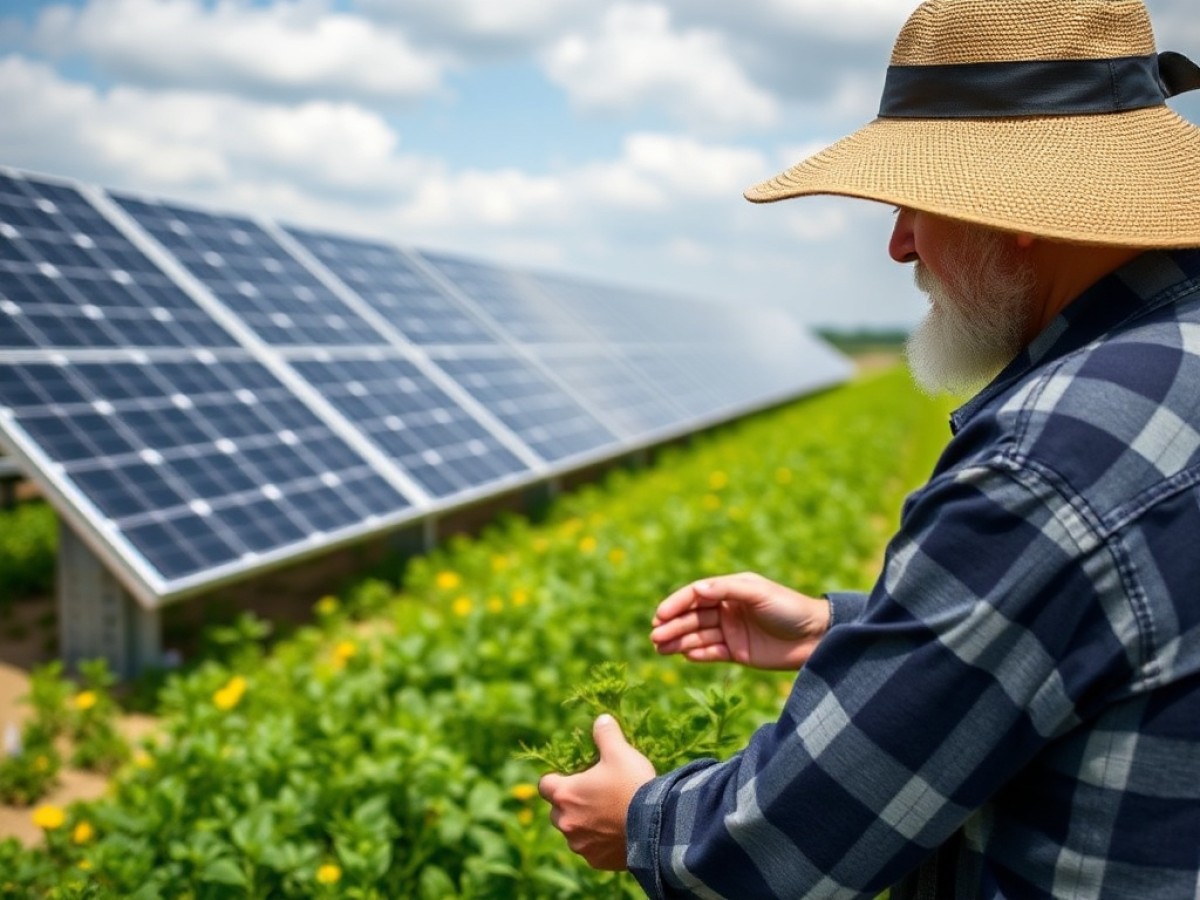
Solar Installations Offer Vital Support to Farmers Despite Facing Community Hurdles
Farmers are finding that integrating solar energy on their lands can be an essential support to their agricultural operations, especially in times of economic uncertainty. However, the path to adopting solar technology is often obstructed by local resistance.
The Economic Benefits of Solar Energy for Farmers
Many farmers are turning to solar energy as a way to stabilize their income streams. The revenue from hosting solar panels can provide a consistent and reliable financial source, in contrast to the fluctuating incomes from traditional farming due to varying market prices and unpredictable weather conditions. Solar leases can offer a dependable income for years, often proving to be more stable than some traditional crops.
Challenges from Local Communities
Despite the clear economic benefits, farmers often encounter significant opposition from local communities when attempting to introduce solar installations on their land. This resistance can stem from various concerns, including changes in landscape aesthetics, potential decreases in property values, and the fear of losing agricultural land to industrial use.
Residents often express a desire to maintain the traditional view of rural and agricultural landscapes. The introduction of solar panels can be seen as an industrialization of these spaces, which conflicts with local identities and heritage. There is also a common worry that once land is converted for solar use, it will permanently cease to be available for farming.
Navigating the Approval Process
The process of gaining approval for solar projects can be complex and fraught with challenges. Zoning laws, which are designed to regulate land use, can often be restrictive and not up-to-date with the current push towards renewable energy. Farmers must navigate these regulations and work to gain the support of local officials and community members, which can be a time-consuming and sometimes frustrating process.
Public hearings and community meetings are platforms where opposition can be voiced, and these can influence the decisions of local authorities. Farmers proposing solar projects often need to engage in extensive community outreach to educate their neighbors about the benefits of solar energy, both environmental and economic.
The Path Forward
Despite these obstacles, the trend towards solar energy on farms is growing. This is driven by the increasing awareness of the need for sustainable practices and the economic benefits that solar energy can provide to the agricultural sector.
For a successful integration of solar power into farming, it is crucial for farmers, local communities, and governments to collaborate. This includes updating zoning laws to accommodate renewable energy projects, creating incentives for sustainable practices, and fostering a community dialogue about the long-term benefits of renewable energy.
As more farmers and communities experience the positive impacts of agricultural solar installations, resistance may decrease. The future of farming could very well hinge on the successful marriage of agriculture and solar energy, creating a sustainable and economically stable environment for farmers and their communities.
Similar Posts:
- Solar-Powered Cold Storage: Transforming African Agriculture, Reducing Losses, Expanding Markets
- Alaska Village Embraces Solar & Biomass Energy: Cuts Diesel Costs & Saves Money
- Gulf Investors Continue Funding Africa’s Renewable Energy: Impact of Iran War Unlikely
- Africa Spearheads Solar Surge: Demand Skyrockets Beyond Traditional Markets, Reveals Report
- Africa’s Clean Energy Boom: Major Deals Inked as France Ramps Up Investments

Morgan Ellis is an investigative journalist passionate about environmental policy and corporate accountability. With a background in climate science and years of reporting for nonprofit media, Morgan brings depth, clarity, and purpose to every story.