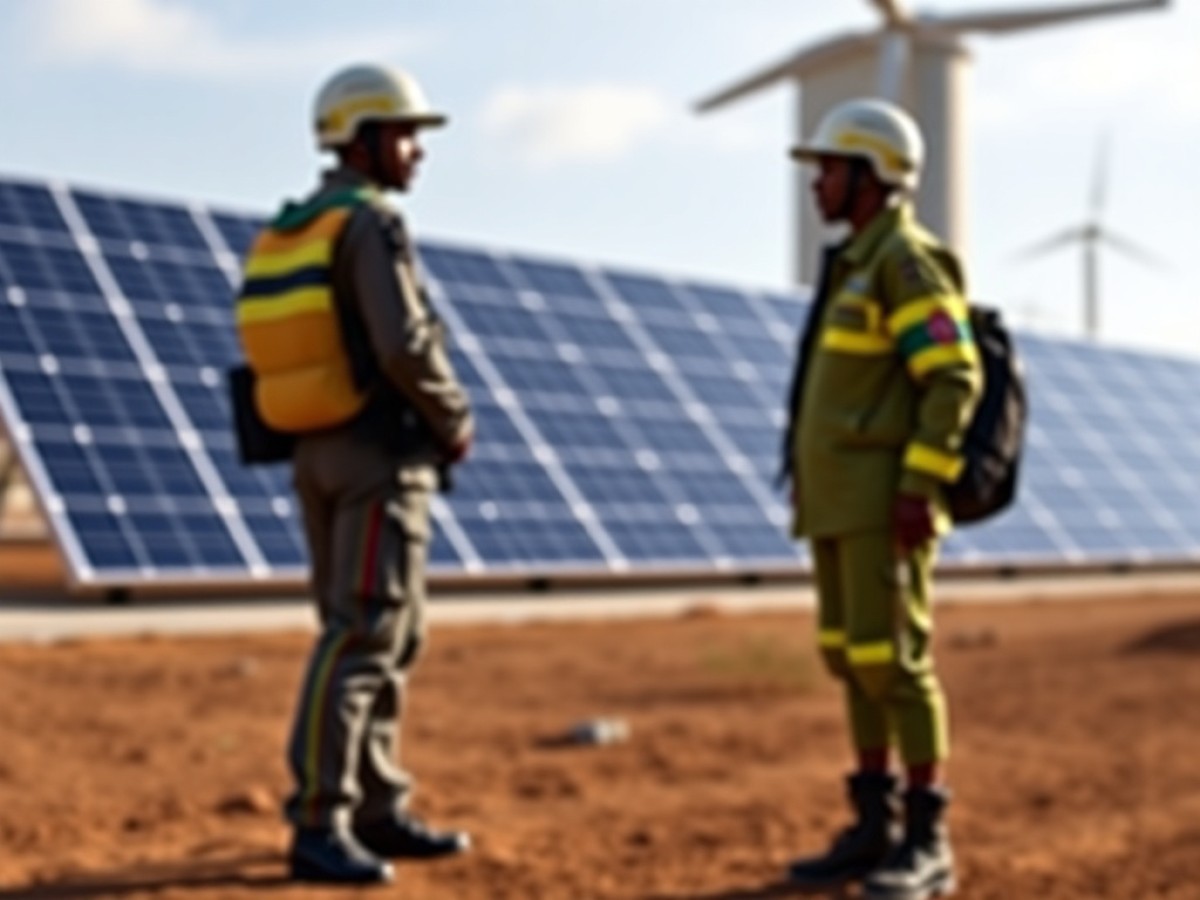
Gulf Investors Expected to Continue Supporting Renewable Energy Projects in Africa Despite Conflict in Iran
The ongoing conflict in Iran is not anticipated to deter investors from the Gulf region from their continued investment in renewable energy initiatives across Africa. The importance of diversifying energy sources and promoting sustainability remains a key focus, and Africa’s vast potential for renewable energy projects is highly attractive to these investors.
Persistent Commitment to Renewable Energy
Despite the geopolitical tensions in the Middle East, particularly involving Iran, investment firms and private investors in the Gulf are showing no signs of pulling back from the renewable energy sector in Africa. The continent’s rich resources, including solar, wind, and hydro potentials, offer promising opportunities for development. These resources align well with the global shift towards cleaner and more sustainable energy solutions.
Strategic Investments in African Renewables
Gulf-based investors have been actively seeking opportunities to fund various renewable energy projects in Africa. Their involvement ranges from large-scale solar power plants to wind farms and hydroelectric projects. This is not only a move to ensure energy security but also to contribute to the global effort in combating climate change.
The strategic nature of these investments also reflects a broader trend of Gulf countries diversifying away from oil-dependent economies. By investing in African renewable energy, these investors are not only cushioning their portfolios against potential future declines in fossil fuel relevance but are also positioning themselves as key players in the global energy transition.
Benefits to Africa
The influx of investments from the Gulf into Africa’s renewable energy sector is anticipated to yield significant benefits. It is expected to help meet the growing energy demands on the continent, promote sustainable development, and create numerous job opportunities. Additionally, these projects contribute to the reduction of carbon emissions, aiding in the fight against climate change.
Looking Ahead
Despite the complexities introduced by the Iran conflict, the outlook for Gulf investment in African renewable energy remains robust. The mutual benefits are clear, as these investments aid in the transition towards a more sustainable global energy framework while promoting economic growth and sustainability in Africa.
In conclusion, Gulf investors are likely to maintain their focus and continue their support for renewable energy developments in Africa, looking past the current geopolitical challenges to the long-term benefits of these investments.
Similar Posts:
- Africa’s Clean Energy Push Stalls: How Credit Ratings Hinder Funding
- Africa’s Clean Energy Boom: Major Deals Inked as France Ramps Up Investments
- Africa Spearheads Solar Surge: Demand Skyrockets Beyond Traditional Markets, Reveals Report
- Trump Administration Secures More Offshore Wind Leases: 4 New Energy Projects Announced!
- Future Energy Crisis Alert: Global Report Urges Diverse, Resilient Production Methods

Morgan Ellis is an investigative journalist passionate about environmental policy and corporate accountability. With a background in climate science and years of reporting for nonprofit media, Morgan brings depth, clarity, and purpose to every story.