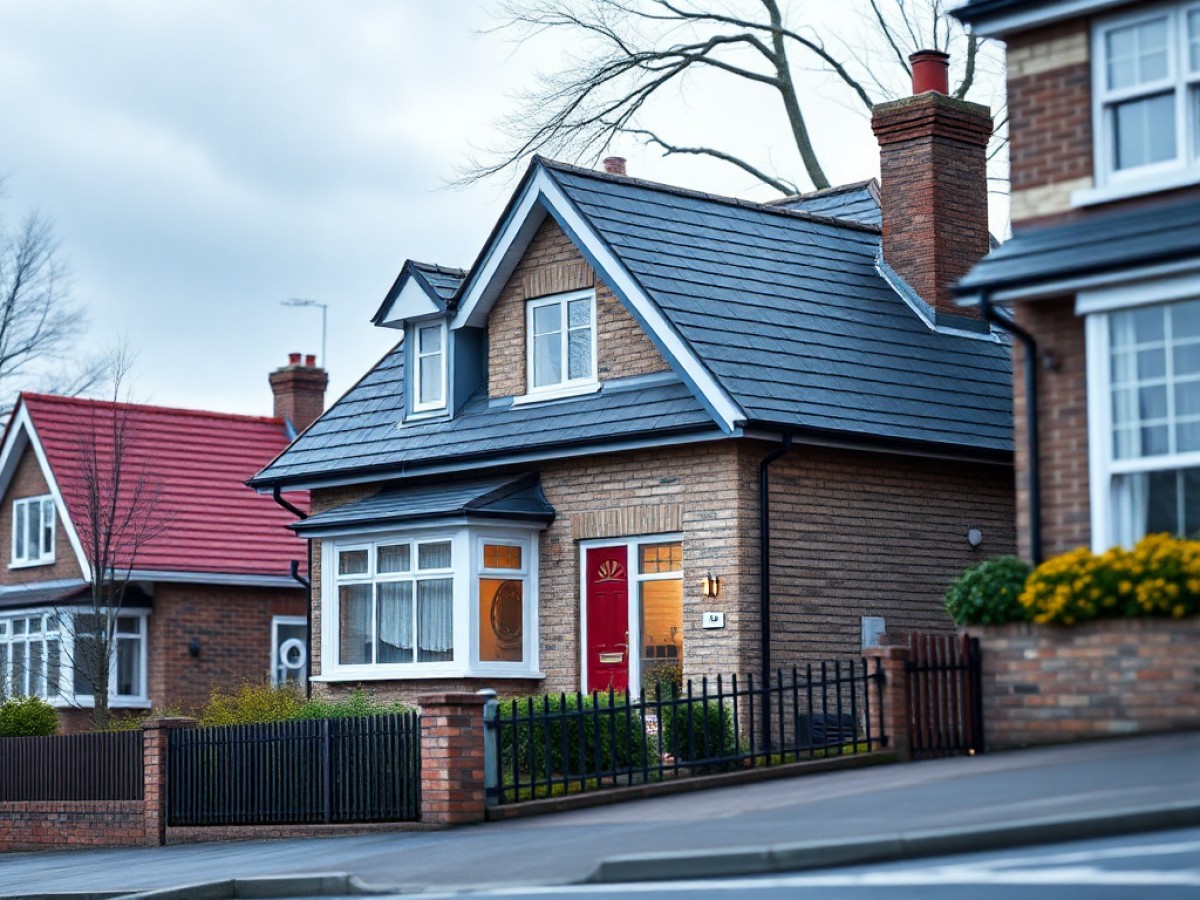
April Sees a 3% Surge in House Prices, Marking the Quickest Yearly Increase in Nearly a Year
Nationwide reports that the UK experienced an unexpected hike in house prices this April, with the fastest yearly growth seen in 11 months.
According to the largest building society in the UK, Nationwide, their mortgage data revealed a surprising 3% increase in house prices over the past year as of April, up from 2.2% in March. This increase has brought the average value of a UK property to £278,880.
Furthermore, this April marked the fourth consecutive month of rising house prices, with a 0.4% increase following March’s 0.9% rise. This growth exceeded the expectations of city economists who had anticipated a 0.3% decline for the month.
Persistent Momentum in the Housing Market Despite Economic Uncertainty
Robert Gardner, Nationwide’s chief economist, commented that the UK housing market has maintained its momentum despite the geopolitical tensions in the Middle East and the rising energy costs that followed. This resilience comes after a noticeable slowdown at the beginning of the year.
On a quarterly basis, which helps smooth out monthly fluctuations, the growth rate in house prices increased to 1.2% from 0.7% in the previous quarter, marking the highest rate since February 2025.
Nationwide stands as the second-largest mortgage lender in the UK, and its monthly reports on house price trends are among the most closely monitored indicators of the housing market’s condition.
Gardner expressed surprise at the robustness of house price increases, especially given the significant weakening in consumer confidence indicators. Recent reports have shown a downturn in consumer sentiments about the economic outlook and personal financial situations amid concerns over potential new living cost increases due to the conflict with Iran. In fact, GfK’s latest consumer confidence index in April dropped to its lowest since October 2023.
A survey conducted among estate agents last month also indicated a sharp decline in new buyer inquiries and completed sales in March, with a notably gloomier outlook for near-term sales expectations.
However, Nationwide’s findings suggest that the impact on prospective homebuyers has been less severe than anticipated, despite lenders withdrawing mortgage products and increasing rates following the onset of the Middle East conflict. The Bank of England has kept interest rates steady recently but has warned that rates might need to increase if energy prices remain high for an extended period.
Gardner attributed the housing market’s resilience to the relatively strong state of household finances, noting that household debt is at its lowest relative to income in approximately two decades, and significant savings have been accumulated in recent years.
Despite the current growth, some economists remain skeptical about the sustainability of this trend. Rob Wood, chief economist at Pantheon Macroeconomics, speculated that the recent price increases could be partly due to transactions agreed upon at the early stages of the Iran conflict. He noted that Nationwide’s data, which captures prices at the mortgage approval stage, might not fully reflect more recent market dynamics.
Significant Developments for Renters with New Legislation
Amid these developments in house prices, significant changes are also occurring in the rental market. The Renters’ Rights Act has been enacted, aiming to provide greater security for renters by prohibiting no-fault evictions, restricting rent increases to once a year at a rate no higher than the market rate, and preventing landlords from accepting offers above the asking price. Additionally, tenants now have the legal right to request pets, which landlords cannot unreasonably deny.
Similar Posts:
- UK Housing Market Breaks Records: Average Home Price Surpasses £300,000, Reports Halifax
- UK Property Prices Unexpectedly Dip Due to Soaring Mortgage Expenses
- UK Property Prices Stall in June: Is a Weakening Job Market to Blame?
- UK Real Estate Prices Tumble Unexpectedly in Economic Downturn
- War in Iran Triggers Geopolitical Uncertainties: Could Halt Decline in Mortgage Rates, Halifax Warns