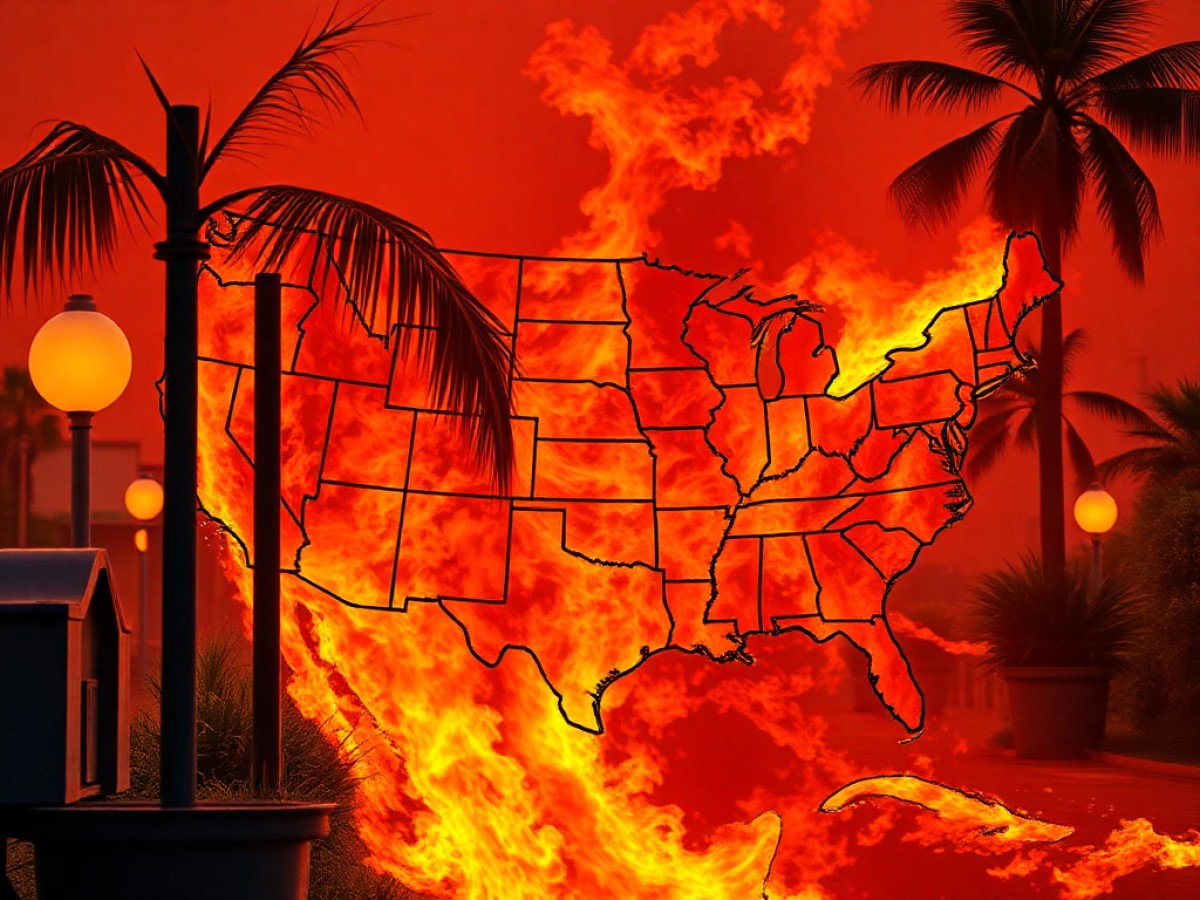
Extreme Heat Targets Eastern United States
As summer progresses, the eastern regions of the United States are experiencing an intense heatwave that is creating uncomfortable and potentially hazardous conditions. This surge in temperatures is a reminder of the increasing instances of extreme weather, which many experts attribute to ongoing climate change.
Unrelenting Heat Wave Hits
Residents across the eastern U.S. are feeling the brunt of this relentless heat wave. The soaring temperatures are not only causing discomfort but are also posing health risks, particularly for vulnerable populations such as the elderly, children, and those with pre-existing health conditions. The high humidity accompanying the heat further exacerbates the situation, making it feel even hotter and more oppressive.
Precautions and Health Risks
In response to the scorching temperatures, local authorities and health professionals are urging people to take necessary precautions. Staying hydrated, avoiding outdoor activities during peak heat hours, and using air conditioning or fans are recommended strategies to cope with the heat. Additionally, communities are opening cooling centers to provide refuge for those who may not have access to air-conditioned environments.
The heat is not just a discomfort but a serious health hazard. Heat-related illnesses, such as heat exhaustion and heatstroke, are a significant concern during such conditions. Symptoms can include dizziness, nausea, headaches, and in severe cases, can lead to fatalities. It’s crucial for individuals to recognize these symptoms early and seek immediate medical attention if they or someone else are affected.
Long-term Outlook and Climate Impact
This current heatwave is part of a broader pattern of rising temperatures globally, which scientists link to climate change. The frequency and intensity of heatwaves are expected to increase, posing ongoing challenges to public health and the environment. This trend underscores the urgent need for climate action to mitigate the worst impacts of global warming.
Local governments and communities are also adapting to this new reality by improving infrastructure to handle extreme temperatures and by implementing policies aimed at reducing carbon emissions, which contribute to climate change.
As the planet continues to warm, the eastern U.S., along with other parts of the world, must brace for more frequent and intense heatwaves. Such conditions demand both immediate and long-term strategies to protect human health and the environment from the escalating impacts of climate change.
Similar Posts:
- Climate Crisis Escalates: Killer Heat Wave in Mexico & US 35x More Likely, Intensity Soars
- Extreme Heat and Humidity Sweep Across the US: Students Face Tough Start to School Year
- Europe’s Heat Wave Tragedy: Death Toll May Exceed 10,000 Amid Soaring Temperatures
- Greece Enforces Work Breaks Amid Searing Heat Wave: How the Nation is Coping
- Europe in Flames: Record Heat Sparks Devastating Wildfires Across Multiple Countries

Morgan Ellis is an investigative journalist passionate about environmental policy and corporate accountability. With a background in climate science and years of reporting for nonprofit media, Morgan brings depth, clarity, and purpose to every story.