The Damaging Effects of Sunscreens on Coral Reefs
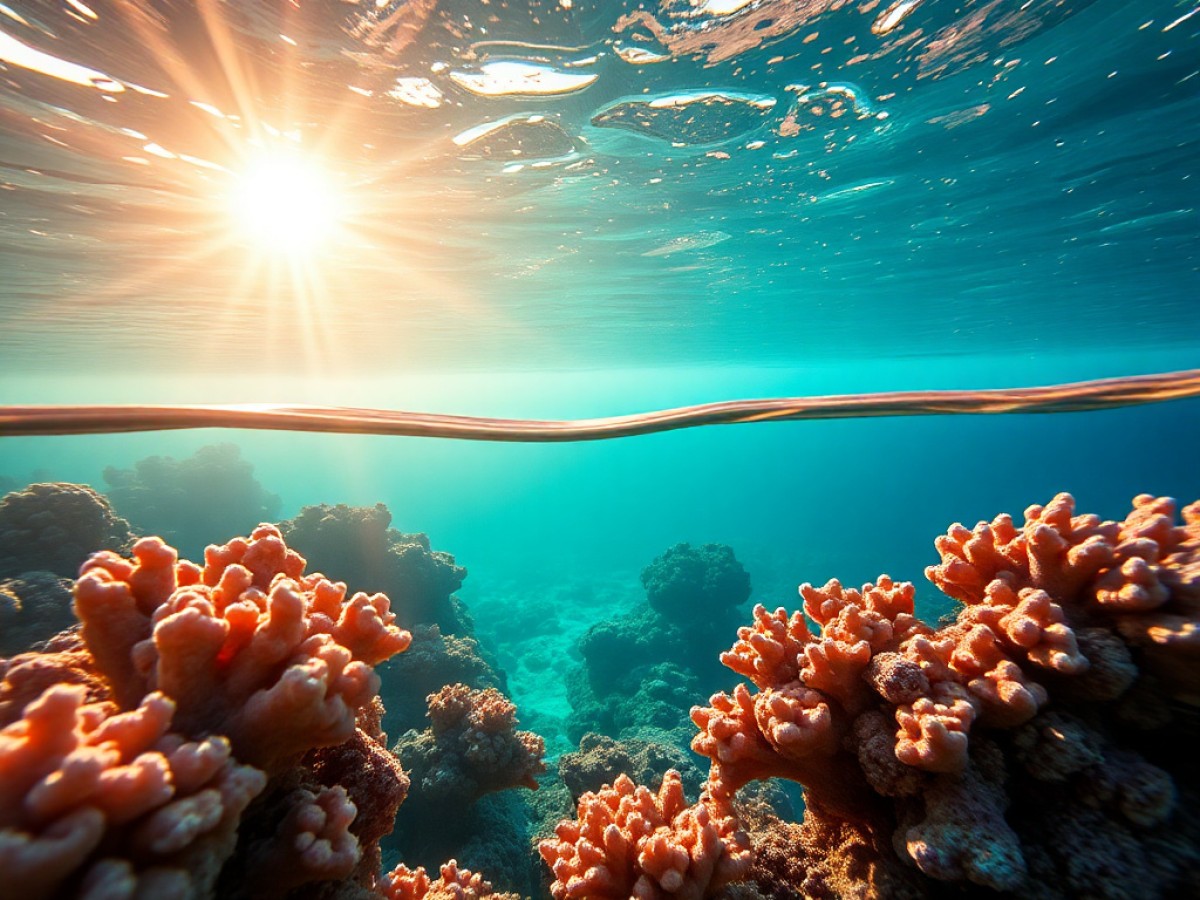
Many of the sunscreens we use to protect our skin from the sun’s harmful rays are unfortunately causing significant damage to coral reefs. These essential marine ecosystems, which provide habitats for countless marine species, are being threatened by some of the common chemicals found in sunscreens.
Understanding the Impact
Research has indicated that several chemicals commonly used in sunblock, including oxybenzone and octinoxate, contribute to coral bleaching. This occurs when corals, stressed by these chemicals, expel the symbiotic algae living in their tissues, causing them to turn white and often leading to their death. This bleaching not only affects the corals themselves but also the diverse marine life that depends on them for shelter and food.
Regulatory Actions and Consumer Choices
In response to these findings, some places with fragile coral reef ecosystems, like Hawaii and Palau, have taken legislative steps to ban sunscreens containing harmful chemicals such as oxybenzone and octinoxate. These bans aim to mitigate some of the human-caused damage to reefs and are a call to action for manufacturers to create safer, more sustainable products.
As consumers, we can also play a crucial role in protecting coral reefs by making informed choices about the products we use. By opting for sunscreens that are labeled as “reef-safe,” we can help lessen our environmental footprint. These products typically do not contain oxybenzone or octinoxate and are made with ingredients that are less harmful to aquatic life.
Other Protective Measures
Besides choosing reef-safe sunscreens, there are additional measures we can take to reduce our impact on coral reefs. Wearing UV-protective clothing such as long-sleeved swimwear can decrease the amount of sunscreen needed on the skin, thereby reducing the amount of chemicals that wash off into the ocean. Furthermore, seeking shade and planning outdoor activities outside of peak sunlight hours can also minimize sunscreen use while still protecting skin from UV radiation.
Supporting Research and Innovation
Supporting companies and products that invest in research and development for reef-safe sunscreens can drive change in the industry. By favoring products that are not only effective but also environmentally responsible, consumers can influence market trends and encourage more companies to consider the ecological impact of their products.
Conclusion
The health of coral reefs is crucial for the biodiversity of our oceans. By choosing reef-safe sunscreens, wearing protective clothing, and supporting environmentally responsible companies, we can all contribute to the preservation of these vital marine ecosystems. As awareness grows and more people participate in these efforts, there is hope for the future health of our planet’s coral reefs.
Similar Posts:
- Revolutionary Coral Transplants in Miami: Scientists Fight Climate Change to Save Reefs!
- Revolutionary Coral Fertilization in Dominican Republic: A Beacon of Hope for Vanishing Reefs
- Fishermen vs. Mississippi: Lawsuit Over Controversial Oyster Reef Leasing Plan!
- Protect Your Pets and Yard: Discover Safe Alternatives to Rock Salt for Melting Ice and Snow!
- Galapagos Crisis: Unique Wildlife Threatened by Rising Ocean Temperatures

Morgan Ellis is an investigative journalist passionate about environmental policy and corporate accountability. With a background in climate science and years of reporting for nonprofit media, Morgan brings depth, clarity, and purpose to every story.