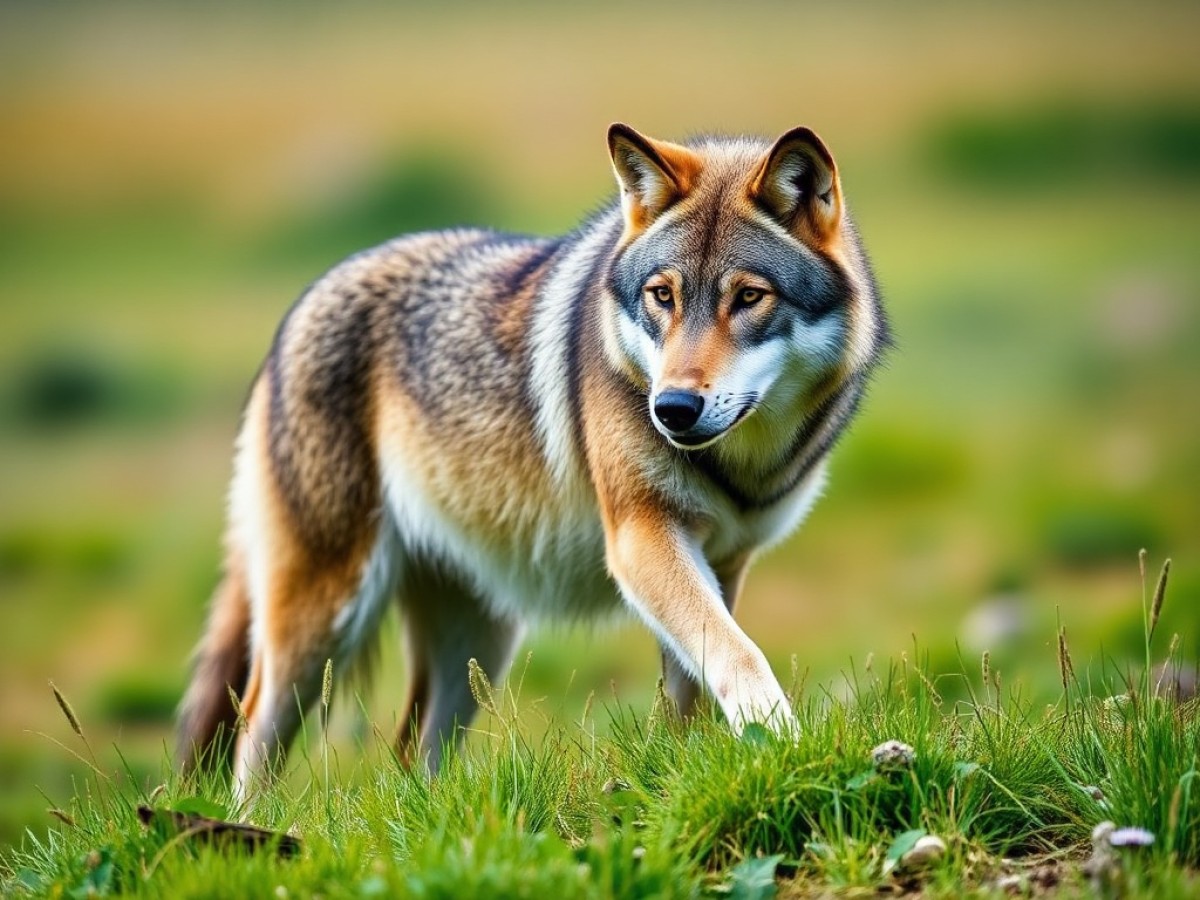
Wyoming Reduces Wolf Hunting Quotas to Support Yellowstone’s Ailing Wolf Numbers
In an effort to aid the recovery of the wolf population around Yellowstone, which has been severely impacted by disease, Wyoming has decided to significantly decrease its wolf hunting limits. The state’s wildlife authorities announced that the number of wolves that can be legally hunted will be halved.
Declining Wolf Numbers and Disease Impact
Recent years have seen a troubling decrease in the number of wolves in the regions bordering Yellowstone National Park, largely due to diseases such as mange and distemper. These ailments have weakened the packs, making it challenging for them to survive and thrive.
New Hunting Regulations
In response to the population decline, Wyoming’s wildlife officials have revised their hunting regulations. The permitted number of wolves to be hunted in the upcoming season has been reduced by fifty percent. This reduction is part of a broader strategy to ensure the survival and health of the wolf population in this iconic region.
The decision was made after careful consideration of the latest population estimates and health assessments of the wolves. By allowing fewer wolves to be hunted, officials hope to stabilize the population and help it recover from the recent setbacks caused by disease.
Implications for Conservation Efforts
This change in policy marks a significant shift in Wyoming’s approach to wolf management. It reflects a growing recognition of the challenges facing the Yellowstone wolf population and an increased commitment to preserving these animals, which play a crucial role in the local ecosystem.
Conservation groups have welcomed the reduction in hunting quotas, seeing it as a necessary step to protect the wolves and ensure their presence in the region for future generations. This move is also expected to have positive ripple effects on the overall health of the ecosystem, where wolves are key predators.
In conclusion, Wyoming’s decision to cut wolf hunting quotas by half is a proactive measure aimed at bolstering the dwindling wolf population around Yellowstone. It underscores the importance of adaptive wildlife management practices in response to environmental and health challenges.
Similar Posts:
- Deadly Disease Hits Largest Elk Herd: Urgent Talks to Reduce Numbers!
- Florida Approves First Black Bear Hunt in 10 Years: Controversy Ignites Amid Strong Opposition
- Michigan’s New Hunting Rule: One Buck Limit in Lower Peninsula, Increased Doe Harvest Encouraged
- Utrecht’s Forest Alert Ends: DNA Proves Menacing Wolf “Bram” Shot Dead
- Legendary Trial Lawyer Gerry Spence Passes Away at 96: A Look at His Iconic Career in Law

Morgan Ellis is an investigative journalist passionate about environmental policy and corporate accountability. With a background in climate science and years of reporting for nonprofit media, Morgan brings depth, clarity, and purpose to every story.