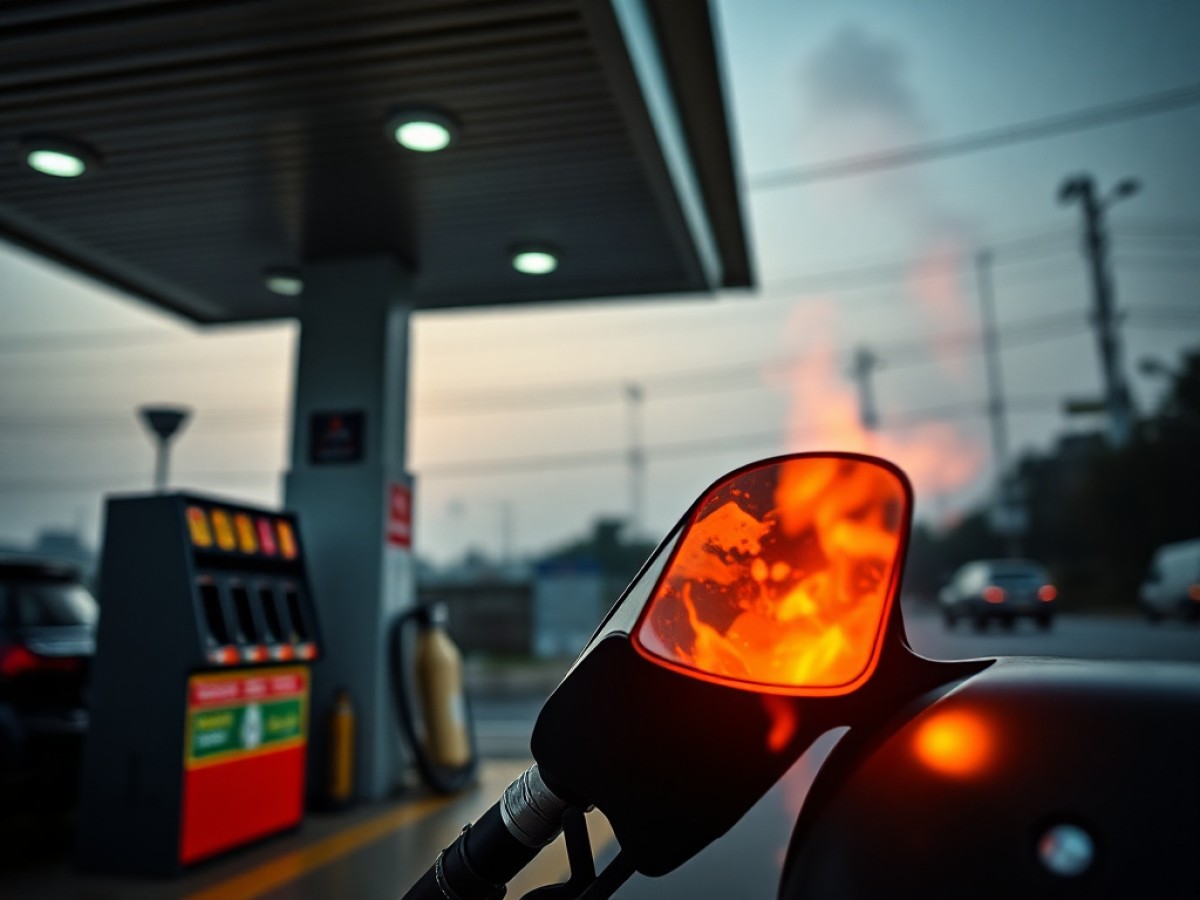
India Increases Fuel Costs Amidst Global Energy Challenges Affecting the Economy
In response to the mounting pressures of the worldwide energy crunch, India has announced a hike in fuel prices, further complicating the economic landscape. This decision comes at a time when the country is grappling with inflationary trends and trying to stabilize its economic growth.
Impact on Domestic Economy
The surge in fuel prices is expected to have a ripple effect on various sectors within India. Industries dependent on fuel, such as transportation and manufacturing, are likely to experience increased operational costs. This could lead to higher prices for goods and services, potentially slowing consumer spending and affecting overall economic activity.
Citizens are facing the brunt of these hikes, with daily commutes and household budgets becoming more strained. The increase in fuel costs directly affects the common man, who must now allocate a larger portion of their income to manage transportation expenses.
Global Energy Crisis as a Catalyst
The decision to raise fuel prices is not isolated but is influenced by the broader context of a global energy shortage. Several factors contribute to this crisis, including geopolitical tensions, supply chain disruptions, and shifts in energy policies among major nations. As one of the largest consumers of oil, India’s economy is particularly sensitive to fluctuations in global oil prices.
The ongoing global scenario has led to reduced oil supplies and increased prices internationally, prompting countries like India to adjust their domestic fuel prices accordingly. This alignment often results in immediate economic strain but is seen as necessary to manage long-term energy requirements and economic stability.
Government Strategies and Public Response
The Indian government has implemented this price adjustment as a strategic move to counteract the adverse effects of the global energy situation. By recalibrating fuel prices, authorities aim to manage the economic impact and ensure a steady supply of energy. However, this has sparked significant public discourse, with citizens and opposition parties calling for measures to cushion the economic blow to the average household.
In conclusion, India’s decision to raise fuel prices is a direct response to the ongoing global energy crisis, reflecting the complex interdependencies of global markets and national economies. The move aims to mitigate broader economic challenges but also highlights the vulnerabilities of relying heavily on traditional energy sources in an increasingly unstable global energy framework. As the situation unfolds, the effectiveness of this strategy and its implications for India’s economic health will continue to be closely monitored.
Similar Posts:
- India’s First Homegrown Hydrogen Train Hits the Tracks: A Leap Toward Clean Energy Railways!
- India Boosts Wind and Solar Energy: Now Faces Urgent Need for Expanded Storage Solutions
- Deadly Dust Storms and Lightning Strike Northern India: 96 Killed
- EU Commissioner Sounds Alarm: Long-Term Jet Fuel Shortage Looms!
- Iran Conflict Sparks Energy Crisis: Asia Turns to Ethanol, Biofuels Amidst Fuel Shortage

Morgan Ellis is an investigative journalist passionate about environmental policy and corporate accountability. With a background in climate science and years of reporting for nonprofit media, Morgan brings depth, clarity, and purpose to every story.