Recent Changes in U.S. Marine Corps Strategy Spark Debate
In recent developments, the U.S. Marine Corps has been restructuring its approach towards small-unit, expeditionary warfare, a move that has sparked concerns among those with traditional views on military strategy. They fear this shift could strip the service of its core capabilities.
Chinese Naval Officers Express Concerns
On the other hand, the transformation has caused apprehension among some officers in the Chinese navy, particularly regarding the U.S. Marine Corps’ deployment of missile-armed Marine Stand-In Forces (SIF) across the Pacific islands.
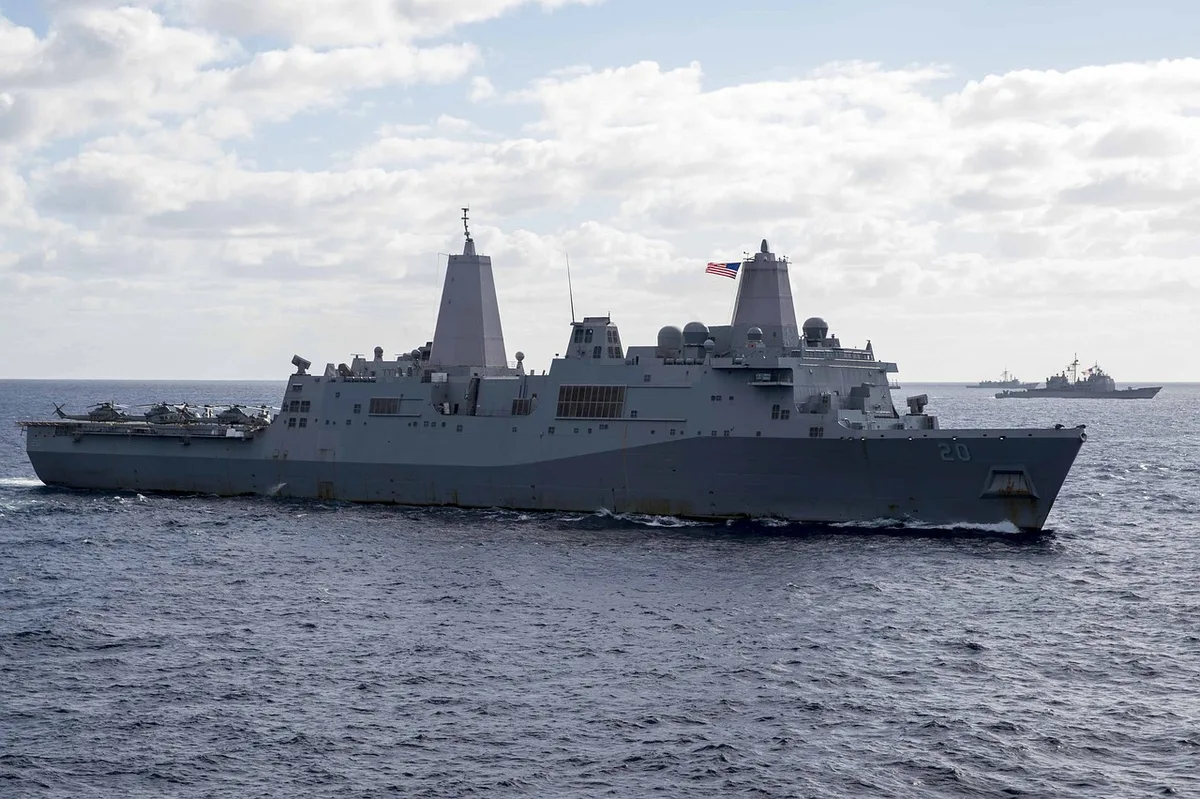
A recent translation of a Chinese military journal by the U.S. Navy in 2023 reveals significant unease. The journal articulates that the ongoing enhancements and strategic deployment of SIF are perceived as threats by eroding China’s advantages in sea denial. This could potentially complicate Chinese efforts to navigate through maritime blockades, swiftly depleting their combat resources and making operations more complex.
According to Senior Captains Yue Zhiqiang, Wang Li, and Li Jinqia from the journal Military Art, translated by the China Maritime Studies Institute at the U.S. Naval War College, these developments raise significant real-world threats for China, necessitating a proactive and strategic response.
Focus on Stand-In Forces in Marine Corps’ Strategy
At the heart of this strategic pivot is the Force Design 2030 plan, initiated in 2020 by the Marine Corps, which marks a departure from traditional large-scale operations. This new strategy focuses on deploying nimble, stealthy Marine units across the Pacific islands, a stark contrast to the historical large, mechanized operations seen in conflicts like World War II, Korea, and Vietnam.

These small teams are equipped with advanced sensors and missiles to disrupt Chinese naval movements and enhance U.S. naval and air force operations through improved surveillance and targeting.
While American critics argue that this plan could leave Marine units vulnerable and unsupported, Chinese military strategists view these SIF units as critical assets for containment and deterrence along China’s maritime borders, maintaining an active presence near China’s shores.
Chinese military reports also express worries about the potential use of Marine littoral forces to deploy unmanned underwater vehicles (UUVs) which could threaten major Chinese vessels and undersea assets during conflicts.
Chinese Military Strategies in Response
The document suggests that in the face of regional conflicts, the People’s Liberation Army Navy should focus intensely on targeting U.S. Marine SIF units. It advocates for a forward-leaning posture, expanding operational reach and deploying undersea combat capabilities as strategically forward as possible.
The authors call for an expansion in undersea weapons systems and enhanced surveillance capabilities using radar, satellites, underwater sensors, and patrol aircraft. They also emphasize the need for better integration of military, paramilitary, and civilian maritime forces to improve coastal surveillance efficiency.
The strategy includes using a vast fleet of Chinese commercial vessels to potentially overload U.S. SIF capabilities with deceptive maritime operations. Additionally, it proposes the development of inexpensive Chinese drones and defensive technologies such as anti-drone lasers and microwave weapons to effectively counter unmanned U.S. platforms.
The document further recommends targeting the command networks that coordinate SIF operations, proposing the use of advanced cyber and electromagnetic technologies to disrupt U.S. maritime command and control networks.
Broader Implications of U.S. Strategy
Lyle Goldstein, director of the China Initiative at Brown University’s Watson School, shared insights with Defense News on the broader implications of the U.S. strategy outlined in the Military Art journal. He highlighted China’s concerns over the potential use of drones and small combat units by the U.S., which could force China to divert resources and enable long-range targeting of critical Chinese assets like submarines.
Goldstein also noted the article’s emphasis on undersea warfare and the security of Chinese submarines, underscoring the significance of undersea acoustic detection arrays off Chinese ports and key waterways in the context of U.S. military strategies.
Similar Posts:
- China’s Armed Forces Aim to Neutralize US Submarine Detection System: Experts Reveal
- China Tops Space Threat List, Warns U.S. Space Force General
- China Unveils Advanced Warship: Bolsters Military Presence in South Pacific
- China’s Next Military Move: Plans to Militarize Another Reef in South China Sea Revealed!
- US Accelerates Tensions: Plans Fast Boat Base Near South China Sea

Jamal Peterson reports on defense, aerospace, and tech policy. With a military background and a strategic mind, he dissects complex subjects with clarity, offering readers sharp, reliable insights.