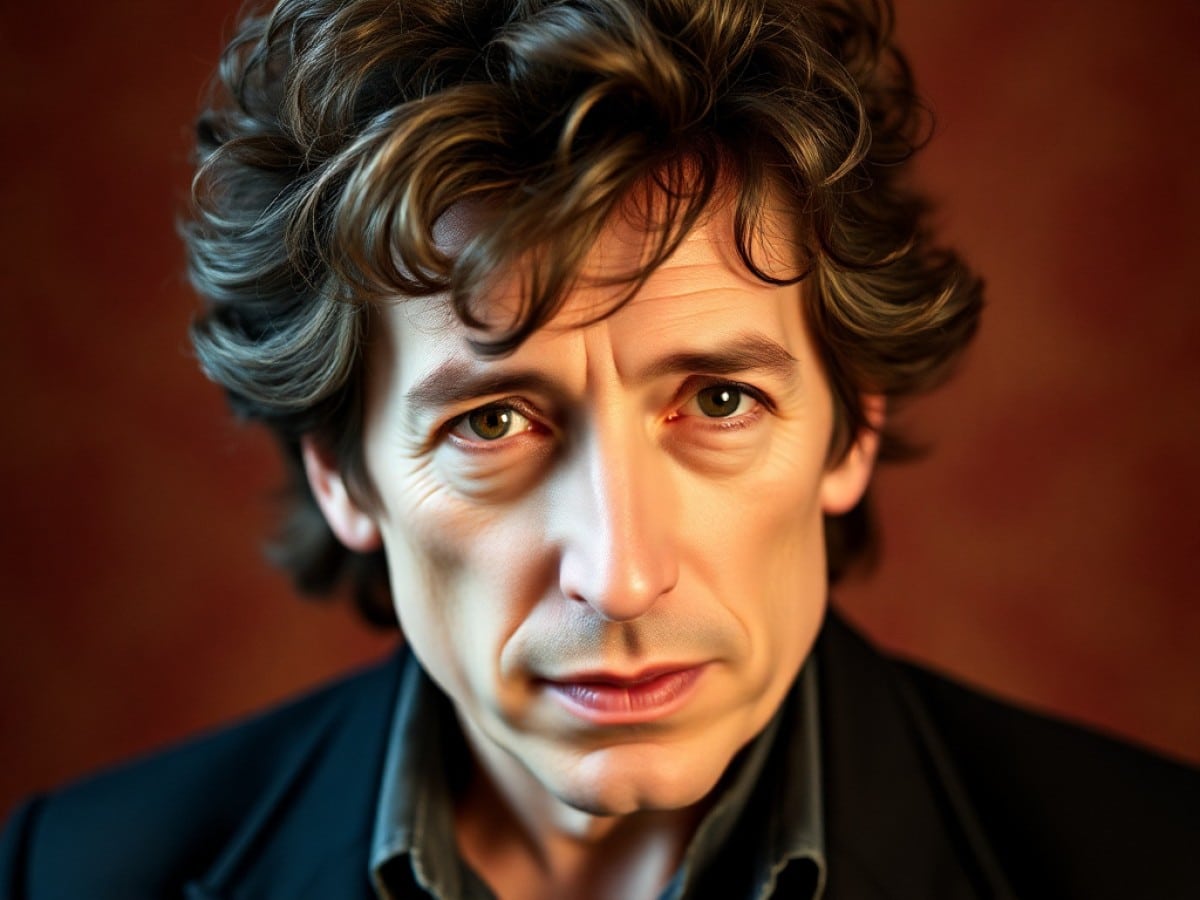
Several years ago, renowned music journalist David Hepworth delivered a memorable remark about Bob Dylan, comparing him to a nation saying, “Dylan is like China: visible in his actions, yet his motivations remain a mystery.” This analogy rings especially true now, given Dylan’s perplexing decision to start a Patreon account at the age of 84.
Firstly, the platform choice itself raises eyebrows. Recent trends have seen numerous high-profile musicians gravitate towards Substack to disseminate their musings and perhaps earn some extra income—artists like Patti Smith, Dolly Parton, Charli XCX, and Rosalía. However, Patreon, which is generally favored by a diverse array of content creators like podcasters and artists for its subscription model providing exclusive content, hasn’t seen the same traction among major figures in the rock and pop scene; the most notable name until Dylan was Ben Folds.
Moreover, there is ambiguity surrounding the authorship of the content on his Patreon channel, named Lectures from the Grave. This channel, which promises a “living archive of unsent letters, lectures, and original short stories,” leaves fans guessing whether the content is directly penned by Dylan or not. So far, the posts and lectures lack clear attribution, presented under anonymous names. The channel description only mentions that subscribers will receive content “curated by Bob Dylan” for their $5 (£4) monthly fee, not necessarily written by him. The unconventional announcement of this Patreon through teaser videos and a flyer on Dylan’s Instagram—absent from his official website—and the apparent use of AI for voicing the lectures has stirred some unrest among his followers, judging by their comments on social media. (The Guardian has reached out to Dylan’s representatives for comment.)
What has been shared up to now does bear the hallmark of Dylan’s interests. The initial post featured a video of gospel singer Mahalia Jackson, reminiscent of the type of context-free content Dylan posts on Instagram, featuring various icons from James Cagney to Jerry Lee Lewis. Dylan’s historical connection to Jackson dates back to his performance with her at the 1963 March on Washington, where they shared the stage before Martin Luther King Jr.’s famous “I Have a Dream” speech. Another post delves into the figure of Wild Bill Hickok, an iconic character from the Old West, who Dylan has previously mentioned as an influential figure from his childhood in a stylized interview by the late Sam Shepard. Hickok’s persona has even permeated Dylan’s earlier works, notably in his 1962 song “Ramblin’ Gamblin’ Willie.”
A fictional letter from Mark Twain to Rudolph Valentino is another curious addition to the channel. For those interested in tracing Twain’s impact on Dylan’s lyrical style, online enthusiasts can point to numerous instances, while Valentino himself has appeared in Dylan’s song “Farewell, Angelina” and in various interviews where Dylan has described him alongside literary and political figures as a kind of “poet.”
In searching for even more obscure connections in Dylan’s Patreon posts, one could look at a lecture about Aaron Burr, Thomas Jefferson’s vice-president, known to have owned a livery stable in what later became the Cafe Bizarre. This Greenwich Village club was where Dylan unsuccessfully tried to break into the folk scene in the early ’60s, as recounted in his memoir “Chronicles.” The club’s lack of reputation for discovering new talent is underscored by an incident in the mid-60s when it fired the Velvet Underground from a residency.
Dylan has always thrived on enigmatic connections and minimal personal explanation, leaving a space eagerly filled by his fans and followers. As he uploads more content to his Patreon, those who decipher his work will undoubtedly enjoy exploring these new materials. Despite the fact that Dylan, who sold his publishing rights to Universal for an estimated $300 million in 2020, hardly needs the subscription fees, his supporters are likely to see this as a worthwhile expenditure. And if the whole venture seems somewhat mystifying, it’s perfectly consistent with Dylan’s longstanding brand.
Similar Posts:
- London Art Scene Alert: Exclusive Bob Dylan Painting Exhibition Opens!
- AI Scam Alert: Fake Health Tips and Drug Recommendations on the Rise!
- Fuselage Dazzles at Edinburgh: A Poignant Take on the Lockerbie Bombing
- Amazon Urges: End Harassment of ‘Summer I Turned Pretty’ Cast, Demands Normalcy
- Beware Oasis Fans: Unraveling the Ticket Scams Plaguing Concert Enthusiasts

Fatima Clarke is a seasoned health reporter who bridges medical science with human stories. She writes with compassion, precision, and a drive to inform.