Protests Erupt as British Columbia Faces Logging of Ancient Forests
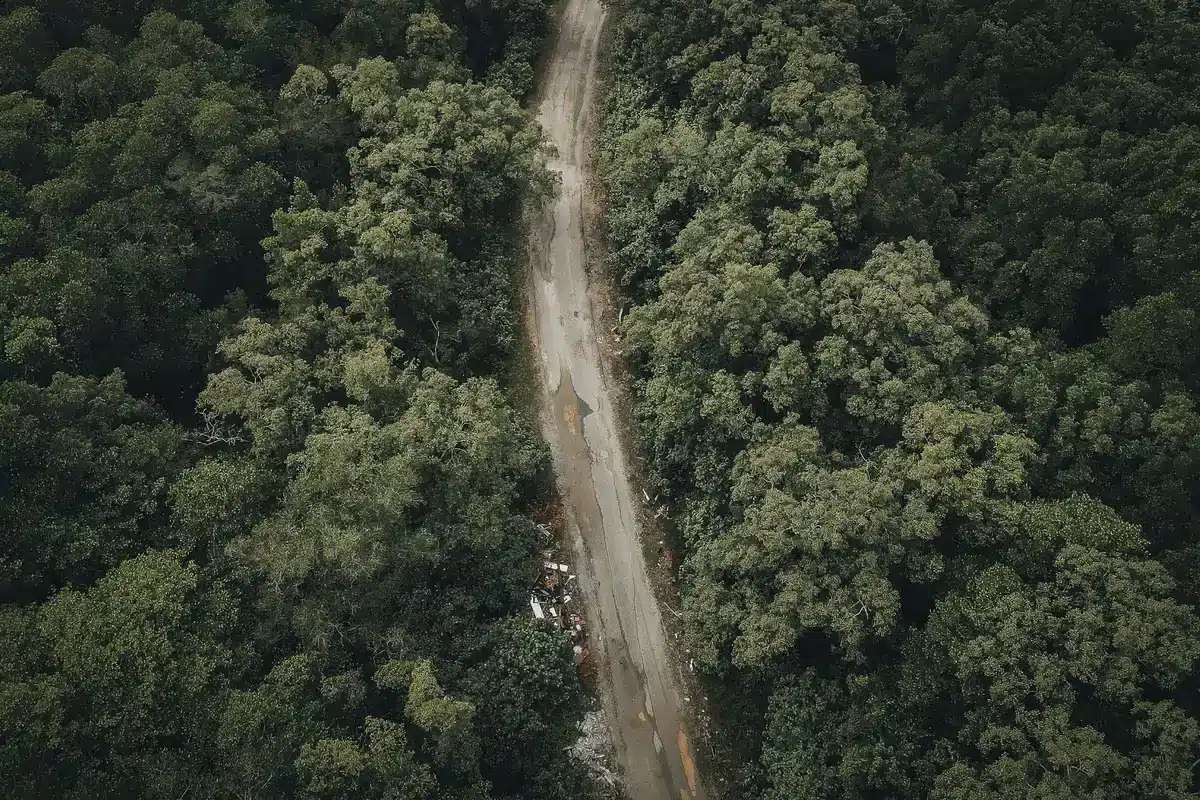
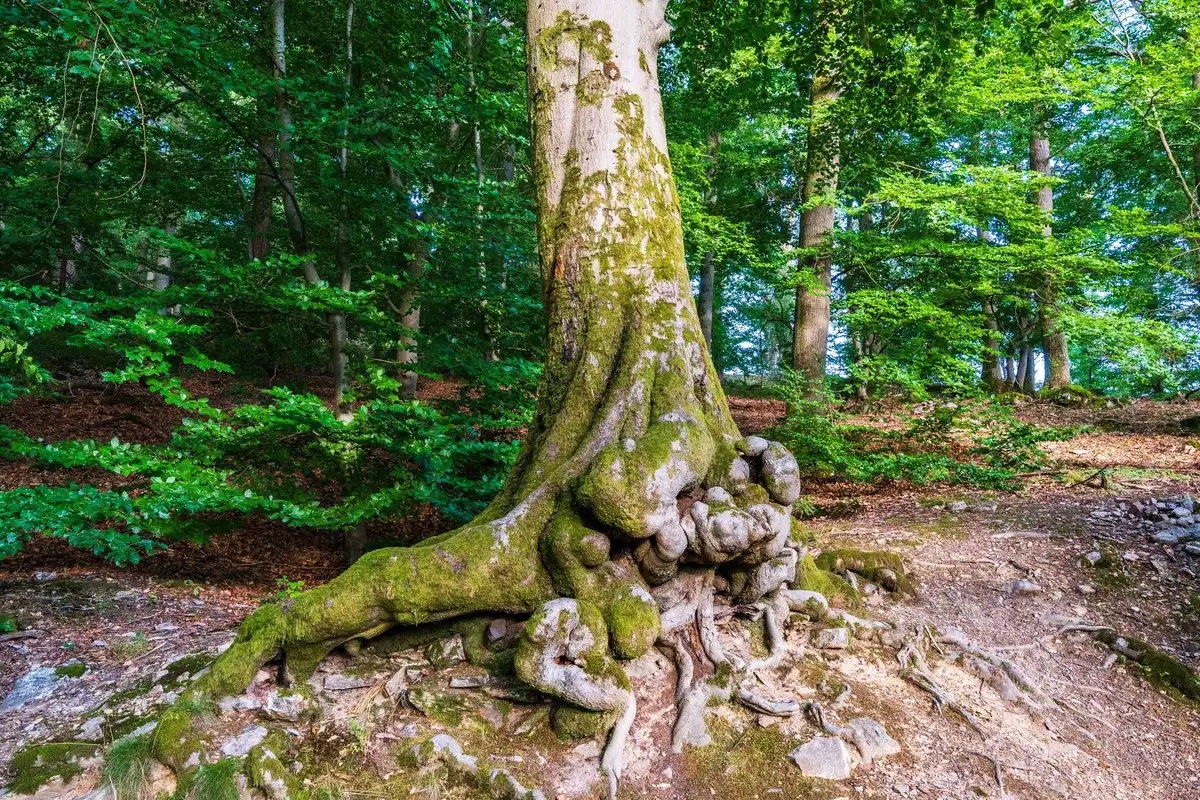
In British Columbia, the logging of remaining ancient forests has sparked significant controversy, with protesters going to the extent of sleeping on roads to halt the operations. These ancient, or “old growth,” forests are known for their ecological importance and majestic beauty, featuring trees that are often hundreds of years old.
The Battle Over Old Growth Forests
The old growth forests of British Columbia are rapidly dwindling, prompting environmental activists and local community members to take drastic measures to protect these irreplaceable ecosystems. These forests are not just a source of immense biodiversity, but they also play a critical role in carbon sequestration and are a bastion against climate change.
Activists have intensified their efforts by physically blocking the access to these sites, with some going as far as setting up camps and sleeping directly on the roads leading to the logging areas. Their goal is to prevent further access by logging companies that are poised to cut down these ancient trees.
Logging Industry and Government Responses
The logging of old growth forests is a contentious issue, with the industry arguing that it provides essential jobs and economic benefits to the region. The provincial government has been caught in a balancing act, trying to mitigate environmental concerns while also considering economic and employment implications.
Despite ongoing protests and public outcry, the pace of old growth logging has not seen a significant decrease. This has led to a heated debate about the sustainability of such practices and the long-term consequences for British Columbia’s natural heritage.
Environmental Impact and Conservation Efforts
The environmental impact of logging old growth forests extends beyond the loss of ancient trees. These ecosystems are home to numerous species of plants and wildlife, many of which rely on the unique habitats provided by old growth forests. The removal of these trees threatens biodiversity and disrupts local ecosystems, potentially leading to adverse environmental effects.
Conservationists argue that more aggressive measures need to be taken to protect these valuable forests. They advocate for a complete halt to old growth logging and are pushing for the government to designate more areas as protected zones.
Looking Forward
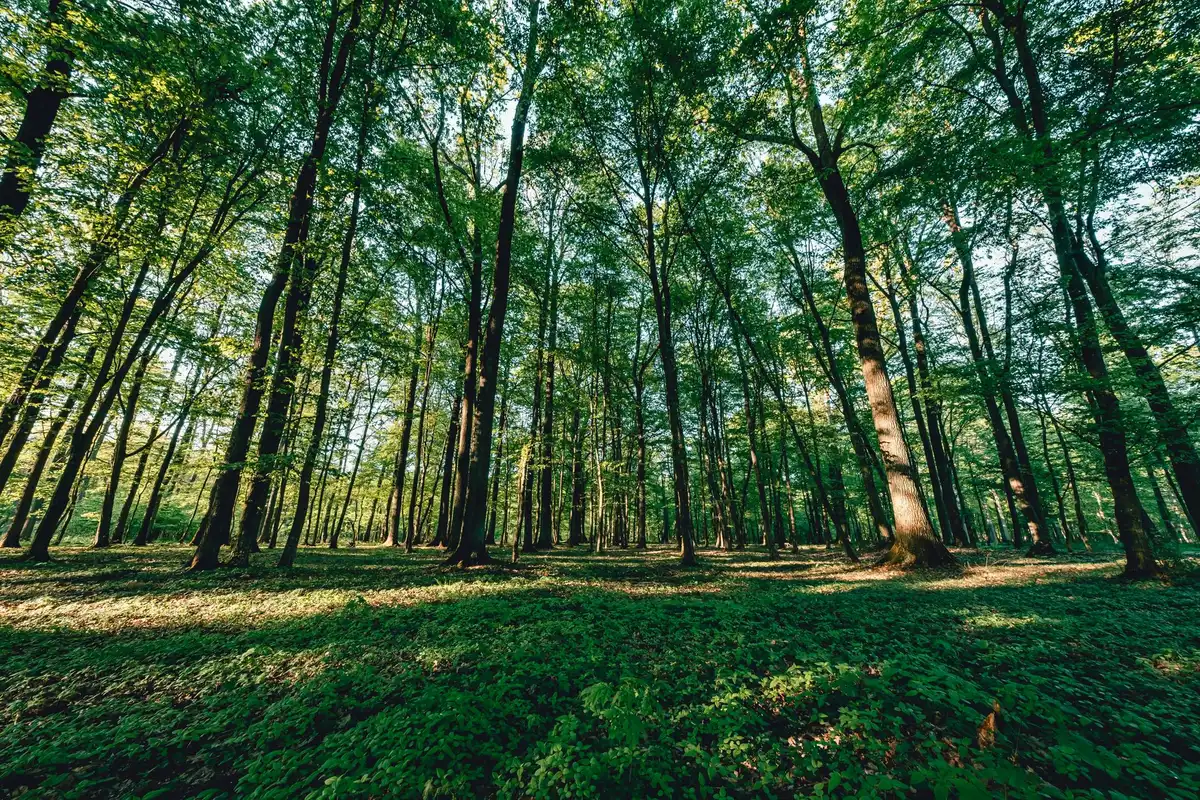
As the conflict continues, the future of British Columbia’s old growth forests hangs in the balance. The protesters remain steadfast in their mission, hoping their actions will influence policy changes and promote more sustainable forest management practices.
The situation in British Columbia highlights a broader global issue of balancing environmental conservation with economic needs. The outcome of this dispute may set a precedent for how similar cases are handled elsewhere, making the stakes even higher for all parties involved.
Similar Posts:
- Ancient Surreal Trees at Risk: Scientists Sound Alarm on Their Future
- Forest Service Boosts Montana Timber: New ‘Sustained Yield’ Strategy Revives Industry!
- Women Rangers in Indonesia: Brave Patrols Combat Deforestation!
- Vanishing Giant: The American Chestnut’s Crucial Role in Eastern Landscapes
- Mezcal Mania Hits the US: Environmental Toll Rises in Mexico

Morgan Ellis is an investigative journalist passionate about environmental policy and corporate accountability. With a background in climate science and years of reporting for nonprofit media, Morgan brings depth, clarity, and purpose to every story.