

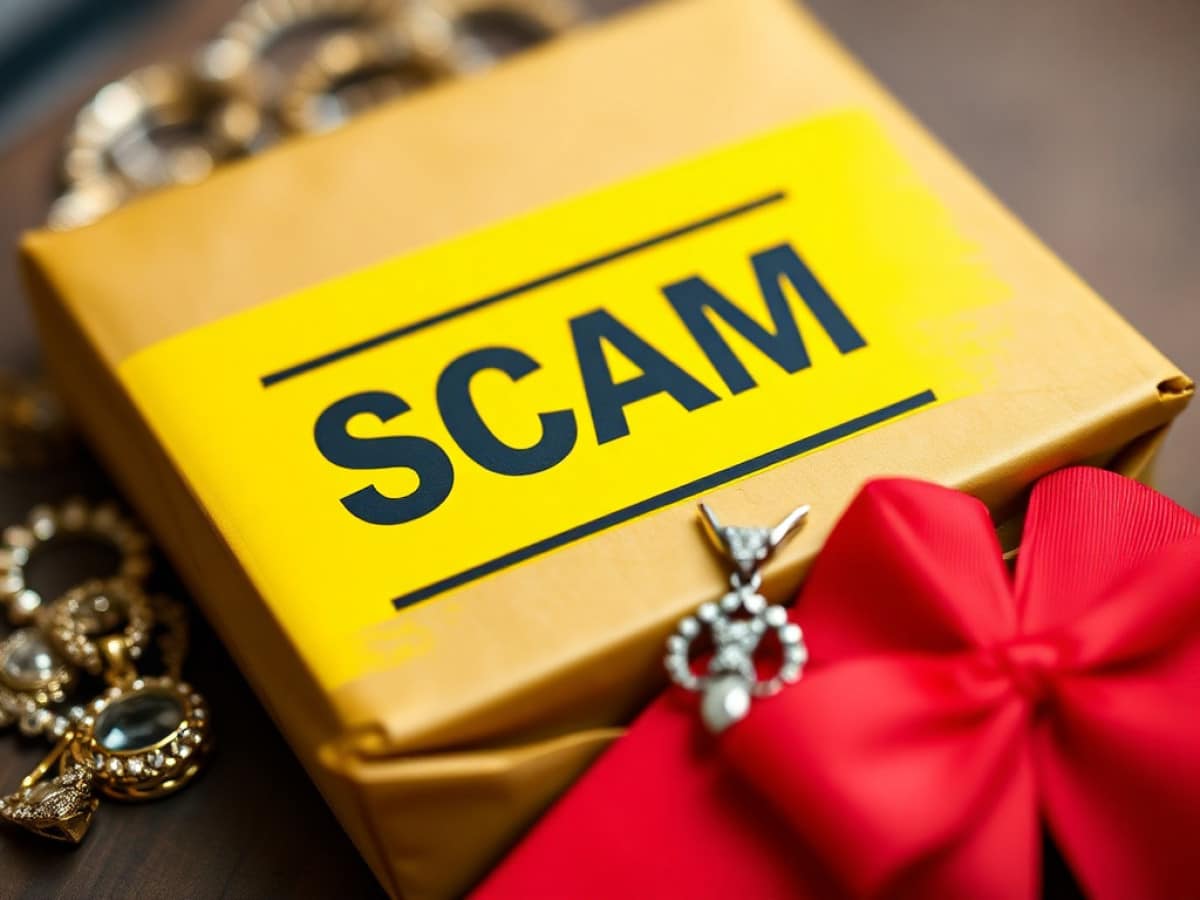
Unexpectedly, a package arrives at your doorstep with no recollection on your part of having ordered it.
Upon opening it, you discover it contains low-quality, fragile jewelry.
You might wonder if this is a simple error or a case of mistaken delivery. You decide to set it aside, anticipating that someone might reach out to claim it or inquire if you have received their present. However, no such contact is made.
While it’s not uncommon for deliveries to be misdirected, receiving a parcel that’s accurately addressed to you could mean you’re inadvertently part of a widespread “brushing” scam, a fraudulent practice that’s reportedly growing, according to cybersecurity experts.
Scammers acquire your shipping information, potentially through a data breach. Subsequently, they create a fraudulent online profile under your name on a retail website where they are vendors and post counterfeit, glowing reviews of their products, seemingly authored by you.
These deceitful five-star reviews serve to enhance their product rankings and reputation on the retail website, which could potentially boost their sales. Oliver Devane from the cybersecurity firm McAfee explains that for a review to be verified as genuine, the product must actually be shipped to a customer. These bogus reviews are often compensated.
This type of scam might seem harmless at first glance, but it can indicate that your personal information has been compromised. Additionally, it could lead to unsafe products, such as toys or cosmetics, entering your household, according to Devane.
Devane warns, “If it’s a small toy that ends up in the hands of your child, the quality is unknown… That alone is a risk. You don’t know its origin or what it’s made of.”
Identifying the Scam
The unexpected package could contain anything from a simple keychain, various household items, to even plant seeds. Whatever the item, it is likely to be of inferior quality and could arrive at any time, though there tends to be an increase in such deliveries during busy shopping seasons.
Devane notes that sometimes, the scammers might include QR codes or USB sticks with the items, hoping that recipients will scan them or plug them into their computers. Doing so could install malware on your devices, potentially leading to data theft.
Appropriate Responses
If you receive an unsolicited item in the mail, refrain from using or consuming it as it may pose safety risks. For instance, a toy might not meet safety standards, or a perfume could contain dangerous chemicals.
Verify your online accounts to ensure no orders were made without your knowledge, then report the incident to the marketplace from which the item was sent.
Amazon, for instance, prohibits third-party sellers from sending unsolicited products to customers and offers a reporting method for such instances. If you can pinpoint the fraudulent reviews made in your name, you can notify the platform involved so they can take corrective action.
It’s advisable to change your passwords for online shopping accounts and enable two-factor authentication, suggests Devane.
Devane advises against returning the item to the seller as this could encourage further interaction and potentially lead to additional scams. Instead, dispose of the item after reporting the incident.
Similar Posts:
- Christmas Shopping Alert: Protect Yourself From ‘Spray and Pay’ Delivery Scams!
- Warning: Five-Star Review Scams! How Fake Ratings Trap Online Shoppers
- Winter Fuel Allowance Scams Surge After Unexpected Government Policy Flip
- Urgent Alert: Beware of the “Emergency Money” Voicemail Scam Targeting Parents
- Is Sports Direct Violating Laws With Their Pricing Tactics? Which? Investigates


