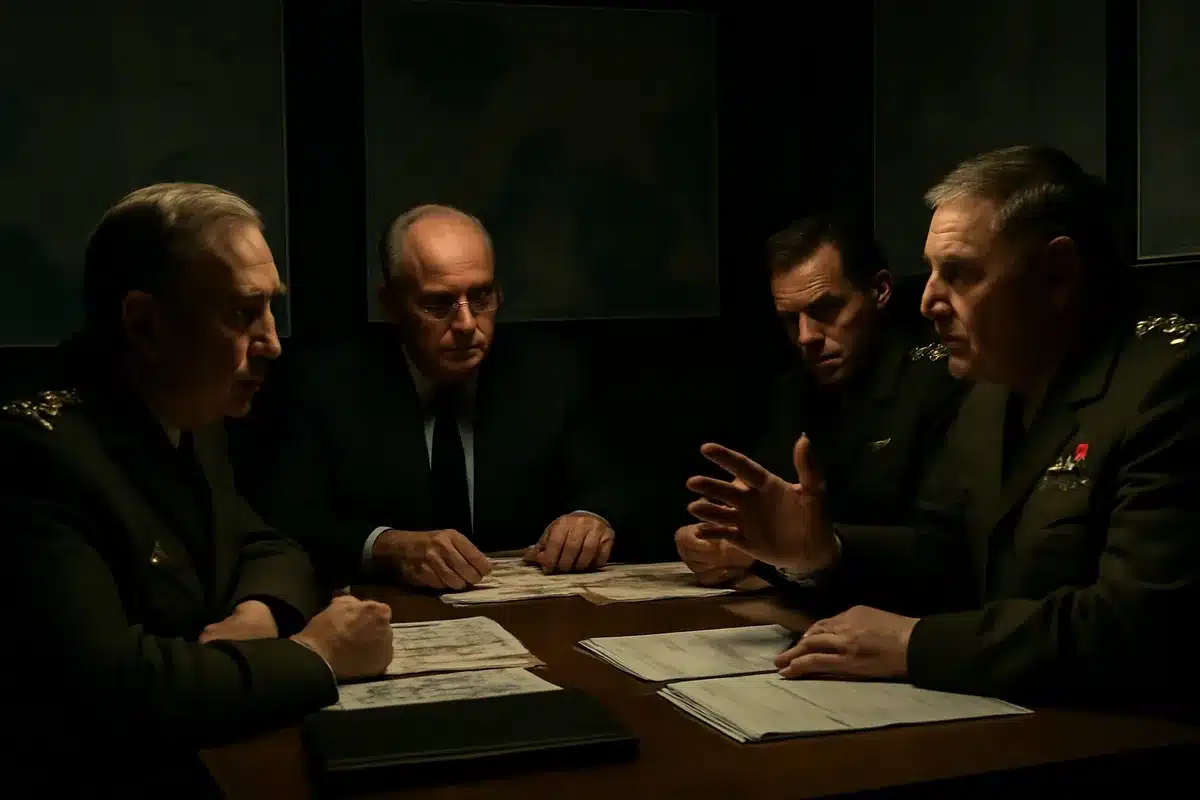
MANILA, Philippines — A high-ranking Pentagon official recently addressed rumors suggesting that the U.S. military’s supplies and operational readiness have been compromised following Operation Epic Fury. He also reiterated America’s dedication to the Indo-Pacific region in light of China’s escalating military assertiveness in the South China Sea.

During a statement in Manila, Elbridge Colby, the Undersecretary of War for Policy, dismissed concerns about the U.S. military’s diminishing edge over China, which has been speculated due to American military commitments in the Middle East depleting resources.
“There has been considerable discussion regarding the strain on the United States military. Let’s clear up any misconceptions,” Colby stated at a private meeting with Manila’s defense leaders hosted by the Stratbase Institute think tank.
“The U.S. military, including its maritime and aerospace branches, remains fully prepared and able to undertake the critical missions assigned by the president,” he affirmed.
As a prominent strategist at the Pentagon, Colby has been an advocate for prioritizing the Indo-Pacific and East Asia regions over the Middle East and Europe. His remarks in Manila marked the beginning of his tour across Southeast Asia, with scheduled stops in Indonesia, Thailand, and Cambodia.
This visit occurs during a particularly tense phase in relations between Manila and Beijing, following an incident on July 20 at Second Thomas Shoal, where a Chinese attack injured a Philippine Navy sailor.
Recent events have escalated tensions, as evidenced by a dispute over a secret “provisional agreement” supposedly signed in 2024, which supposedly permits Philippine vessels to safely resupply troops stationed on the BRP Sierra Madre.
Following the July confrontation, Chinese military actions have become notably bolder, suggesting a new interpretation of the mutual defense treaty’s implications by China.
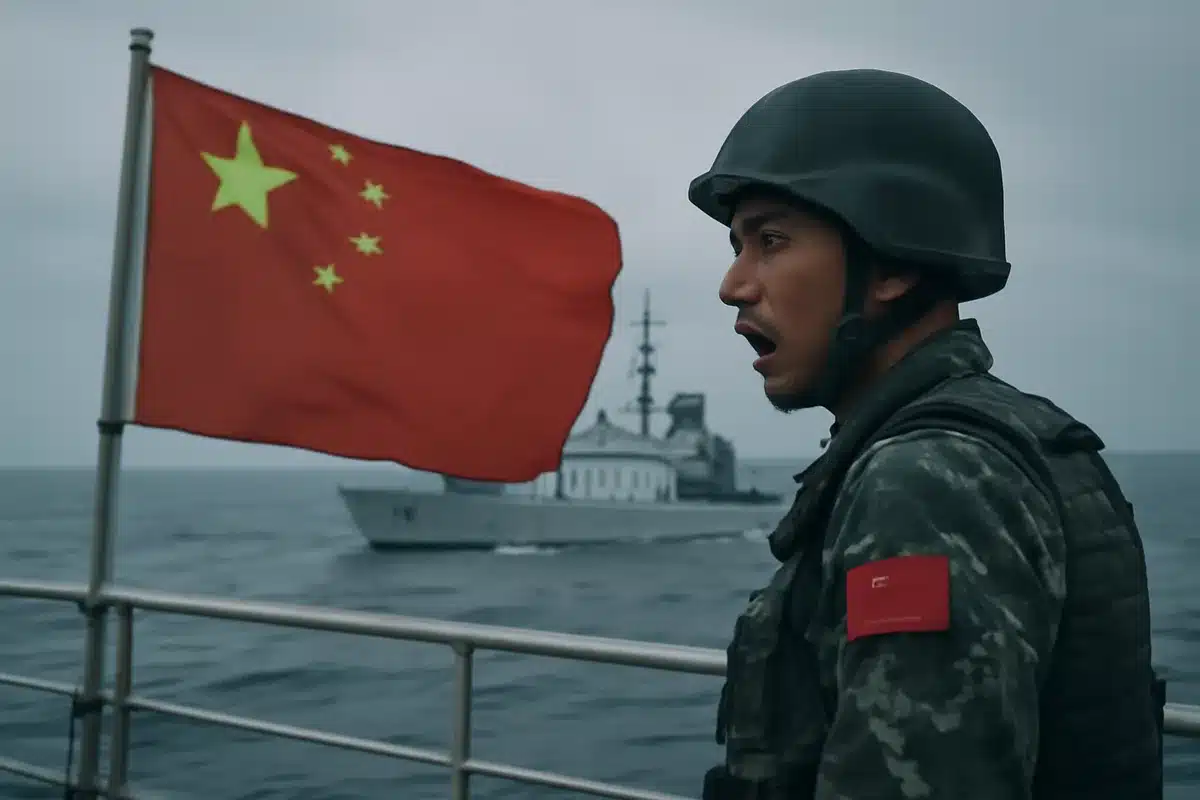
Moreover, China’s military presence has increased in the West Philippine Sea, with recent activities including the deployment of carrier strike groups and the test-firing of a submarine-launched ballistic missile into the Pacific.
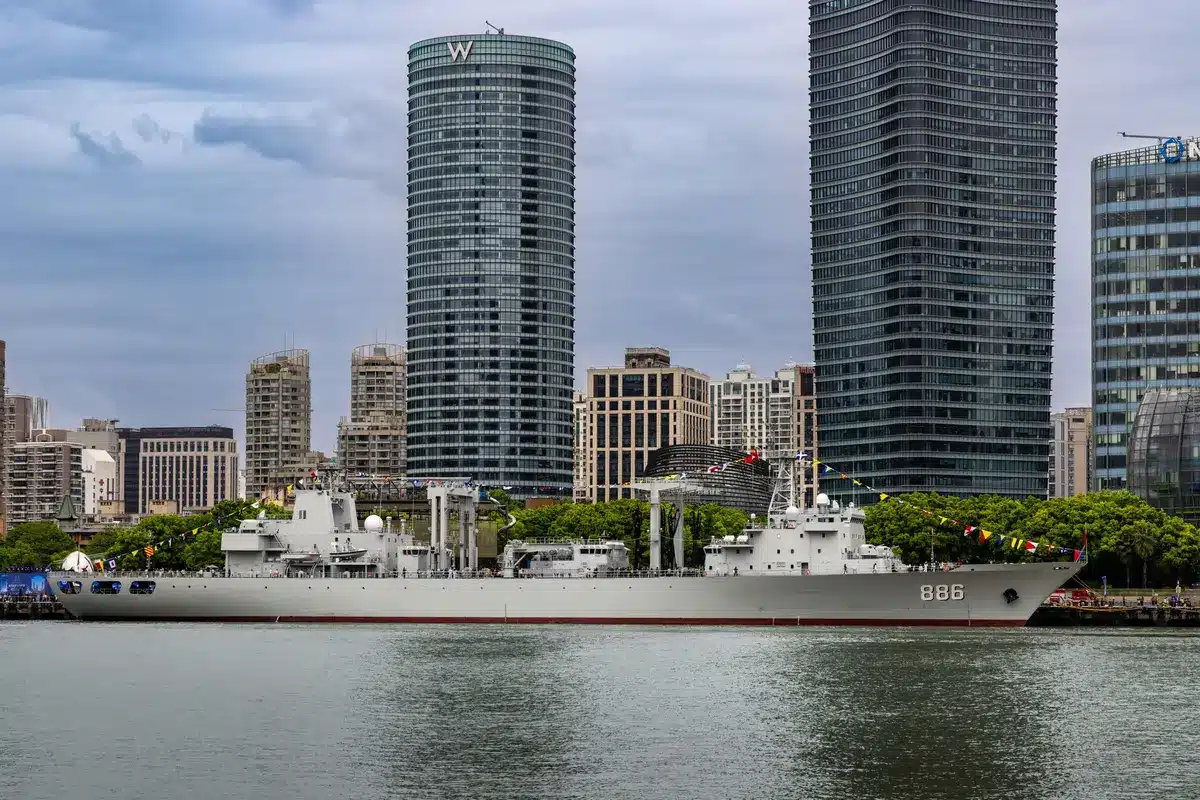
Colby explained that the U.S. strategy in the Indo-Pacific involves a mix of deterrence and discreet, strong actions aimed at maintaining the status quo without escalating conflicts.
“In terms of our dealings with China, we have managed to convey our strategic intentions directly to the Chinese,” Colby noted.
“We maintain a clear diplomatic stance, respecting the sovereignty of the People’s Republic of China, while being clear about our commitment to preserving the status quo and our readiness to defend our interests and those of our allies like the Philippines,” he continued.
Colby highlighted that the U.S. is fortifying its military presence and capabilities in the region, with quiet but significant preparations to support the Philippines if needed.

Describing the U.S. strategy as “defensive” and aligned with the interests of regional countries, Colby emphasized a “denial strategy” intended to prevent any single nation from dominating the region.
This visit precedes a comprehensive eight-point partnership plan signed between the Pacific Command and the Philippine armed forces for 2027, which includes a series of joint military exercises. This plan was discussed just before a scheduled state visit by President Xi Jinping to the U.S. in September.
“Anyone attempting to project power in the Indo-Pacific’s aerospace and maritime domains will encounter the most formidable military force in the world,” Colby concluded emphatically.
Similar Posts:
- US Accelerates Tensions: Plans Fast Boat Base Near South China Sea
- US-Philippine Alliance Strengthens: A New Task Force to Reinforce South China Sea Deterrence
- China Unveils Advanced Warship: Bolsters Military Presence in South Pacific
- China Outraged by US Army’s Typhon Missile Deployment in Japan: Tensions Escalate
- Philippine Navy on High Alert: Protecting Undersea Cables from Foreign Espionage!

Jamal Peterson reports on defense, aerospace, and tech policy. With a military background and a strategic mind, he dissects complex subjects with clarity, offering readers sharp, reliable insights.