Stalled Progress on French-German Fighter Jet Project
On Wednesday, tensions escalated in the ambitious French-German initiative to create a new combat air system, as Dassault Aviation expressed dissatisfaction with its partner Airbus, accusing it of reluctance to cooperate on the cutting-edge fighter jet integral to the initiative.
During a press briefing just outside of Paris, Dassault Aviation’s CEO, Eric Trappier, presented a slide showing only a question mark for the Future Combat Air System (FCAS) project, stating, “If Airbus continues to disengage, then this project is essentially over,” expressing uncertainty about the project’s future.
Origins and Challenges of the FCAS Project
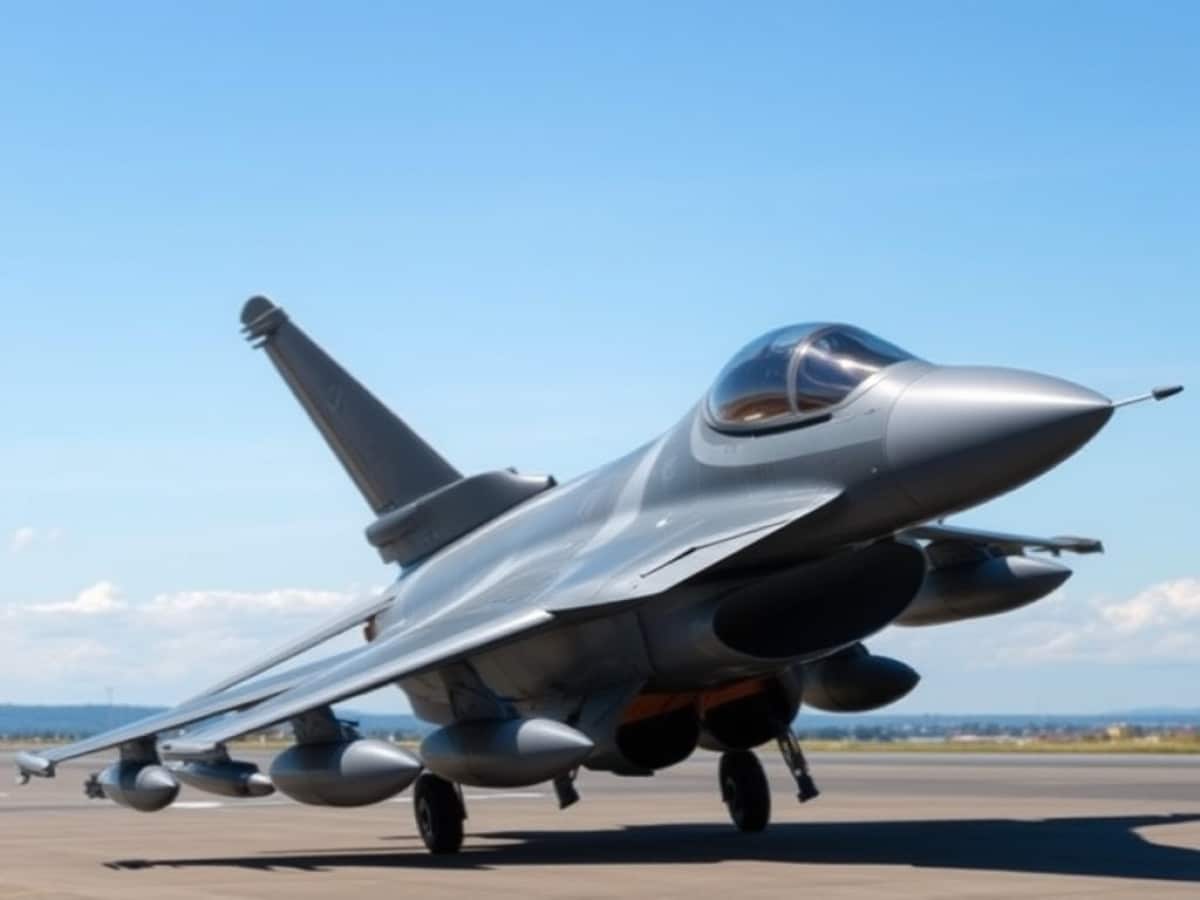
The inception of the FCAS project was announced in 2017 by French President Emmanuel Macron and then-German Chancellor Angela Merkel. The project is structured around several key components, such as a new jet engine, drones, and a combat data cloud, with Dassault and Airbus as lead collaborators on the next-generation fighter jet. However, the partnership has been marred by ongoing disagreements over control and division of labor within the project.
France was appointed as the lead nation for the combat aircraft segment at the project’s commencement, with Dassault Aviation spearheading this section. Trappier highlighted the necessity of having a clear leader to drive the development of such advanced combat aircraft. He criticized Airbus’s proposal to diminish Dassault’s leadership to a more collaborative role as part of a “co-co-co construction,” which he did not support.
Trappier emphasized that Dassault has adhered strictly to the contractual agreement, whereas Airbus has deviated from the original plan, leaving it up to the governments involved to make a decision. He refrained from speculating on the decisions that might be made by France and Germany regarding the project’s future.
Differing National Interests and Internal Disputes
German Chancellor Friedrich Merz expressed last month that Germany’s current defense needs do not align with those of France, which requires a fighter jet capable of both aircraft carrier operations and nuclear weapon deployment. Despite not having direct discussions with Merz, Trappier was reassured by French authorities that there was a consensus on operational requirements.
The CEO also accused Airbus of avoiding direct resolution of the disputes, preferring to communicate through intermediaries such as the labor union IG Metall and the German Aerospace Industries Association (BDLI), which recently advocated for a “two-aircraft solution” for the FCAS.
Airbus CEO Guillaume Faury mentioned in a February press conference that Airbus would support a dual-fighter approach to resolve the stalemate and is ready to take a leading role in the restructured FCAS. In response, Trappier stated that neither Dassault Aviation nor France supports the idea of two separate aircraft models within the FCAS, though he conceded that if tasked by France, he would undertake the development of a combat aircraft.
Airbus has withheld comments regarding these developments.
Trappier confidently asserted that Dassault Aviation could independently develop a next-generation fighter jet for significantly less than €50 billion. He pointed out that Airbus lacks Dassault’s experience in combat aircraft manufacturing, just as Dassault does not produce commercial jets. Addressing accusations of arrogance, Trappier questioned, “Where is the arrogance today?”
Regarding the partnership dynamics, Trappier noted that Airbus Germany, which is part of the collaboration, likely prefers a program setup similar to the Eurofighter, rather than being a subcontractor. He stressed the importance of clear leadership from the start, which was initially agreed upon, emphasizing that gaining expertise does not immediately warrant a co-leadership role.
While the first phase of the FCAS fighter is nearing completion, Trappier mentioned that negotiations for the second phase have not begun due to various challenges, delaying the development of a demonstrator. He noted unresolved issues including who would lead the test-flight program.
In other company developments, Dassault anticipates negotiating a deal with India for 114 Rafale jets within the year and continues planning for a future combat aircraft for the post-2040 era. The company also expects the Rafale’s F5 standard, featuring an unmanned stealthy loyal wingman drone, to be operational by 2035.
Similar Posts:
- France Urges FCAS Partners to Redefine Roles: Future of Fighter Jet Project at Stake!
- France Aims for Key Deal on Cutting-Edge Fighter Jet: Progress Toward ‘Mutually Acceptable’ Accord
- Germany and France Abandon Joint Fighter Jet Initiative: What’s Behind the Shocking Decision?
- German, Spanish Firms Unite to Save Pioneering FCAS Fighter Tech: A Race Against Time
- Germany Considers More F-35s After FCAS Project Fails: Exploring Future Defense Strategies

Jamal Peterson reports on defense, aerospace, and tech policy. With a military background and a strategic mind, he dissects complex subjects with clarity, offering readers sharp, reliable insights.