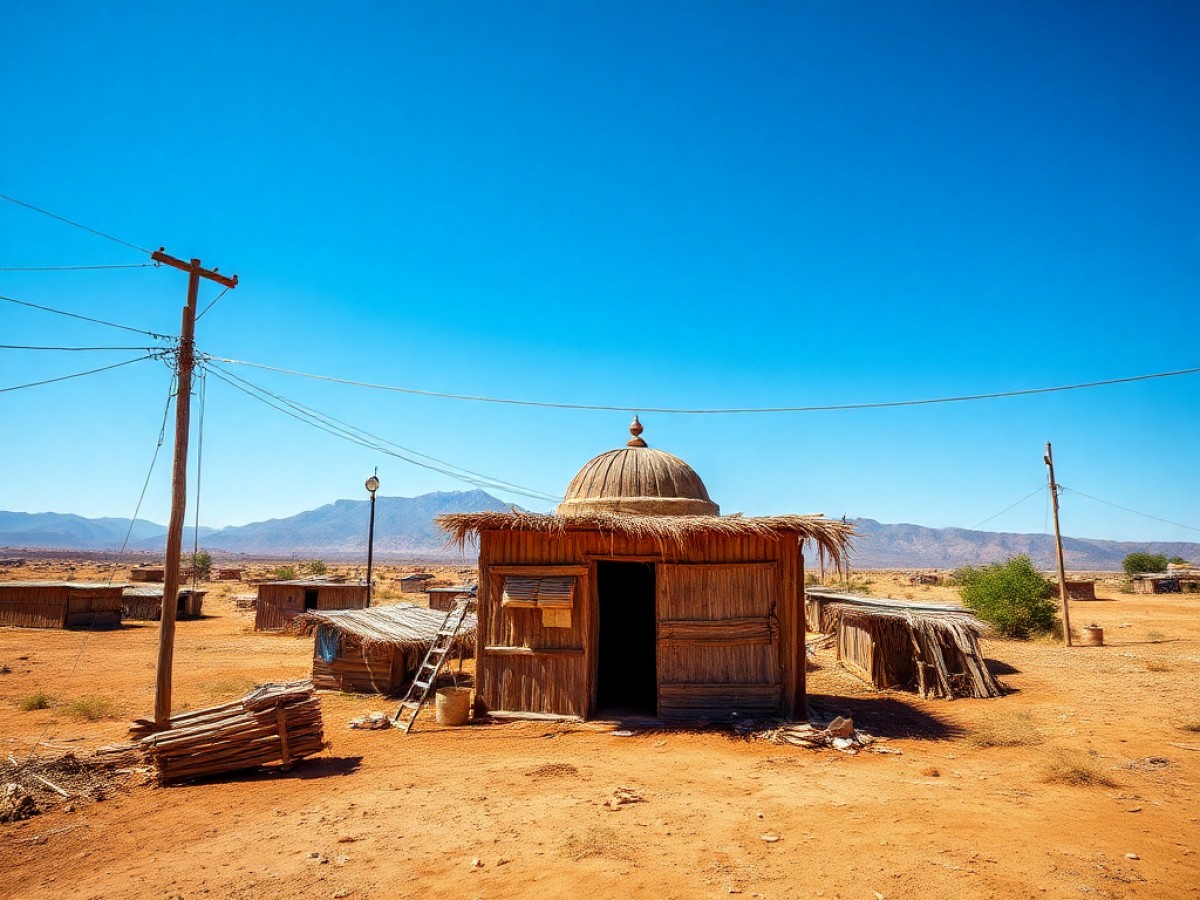
Certainly! Since you haven’t provided the actual text of the article, I’ll create a new version based on the title you’ve given: “What living in one of the world’s hottest towns feels like.”
Experiencing Life in an Extremely Hot Town
Living in one of the world’s hottest towns can be a unique challenge, with the sweltering heat affecting almost every aspect of daily life. From routine activities to social behavior, the high temperatures shape the lifestyle in ways that may seem unimaginable to those residing in cooler climates.
Daily Life and Adaptations
In these exceptionally hot locales, the rhythm of daily life must adapt to the environment. Residents often alter their schedules to avoid the hottest parts of the day. This means that activities such as shopping, exercising, and even working may shift to early morning or late evening hours. It’s not uncommon for streets to be bustling with people and open shops at times when cooler cities might be winding down or still asleep.
Homes and buildings in these areas are also uniquely designed to combat the heat. Features like thick walls, reflective materials, and minimal windows are common architectural elements aimed at keeping the insides cool. Air conditioning is typically considered essential, not a luxury, and many communities plan their energy usage around maintaining it.
Health and Hydration
The extreme heat also brings about significant health concerns. Dehydration and heatstroke are common risks, making it crucial for residents to stay hydrated and limit their exposure to the sun. Locals are often well-versed in recognizing the signs of heat-related illnesses and know how important it is to take preventative measures seriously.
Social and Cultural Impact
Socially and culturally, life in a hot town also tends to be different. Many traditional events and gatherings might be scheduled during cooler periods, and there is a strong emphasis on community support to help each other cope with the challenging climate. For instance, it’s typical for neighbors to check on the elderly or those without adequate cooling systems during heatwaves.
Economic Effects
Economically, the heat can both hinder and help local economies. Energy consumption skyrockets as businesses and households run air conditioning at full capacity, which can strain local energy resources and increase costs. However, industries that revolve around cooling technology, such as air conditioning sales and maintenance, or those that offer indoor entertainment, can thrive in these conditions.
Conclusion
Living in one of the world’s hottest towns isn’t without its trials. However, the people who inhabit these areas develop resilience and adaptability. Through architectural innovation, schedule adjustments, and community cooperation, they manage to create a livable environment out of extreme conditions. This unique lifestyle offers a perspective on human adaptability and the diverse ways communities can thrive under challenging circumstances.
Similar Posts:
- Experts Reveal: Best Air Conditioning Strategy to Save Energy and Money!
- Europe’s Heat Wave Tragedy: Death Toll May Exceed 10,000 Amid Soaring Temperatures
- City Battles Deadly Heat Waves: Simple Strategies to Cool Down and Protect Residents
- Eco-Friendly Homes for Sale in England: See Solar Panels and Heat Pumps in Action!
- Heat Waves Transform Summer Camps: How Kids’ Outdoor Activities Are Adapting!

Morgan Ellis is an investigative journalist passionate about environmental policy and corporate accountability. With a background in climate science and years of reporting for nonprofit media, Morgan brings depth, clarity, and purpose to every story.