Setermoen, Norway — In the wake of their effective use in Ukraine, Arctic countries are now considering the deployment of first-person-view (FPV) drones in Arctic combat zones.
Located about 240 kilometers above the Arctic Circle, two members of the Norwegian Armed Forces’ elite long-range reconnaissance squad were nearly invisible, camouflaged deep within the forest during the NATO Cold Response 2026 drill.
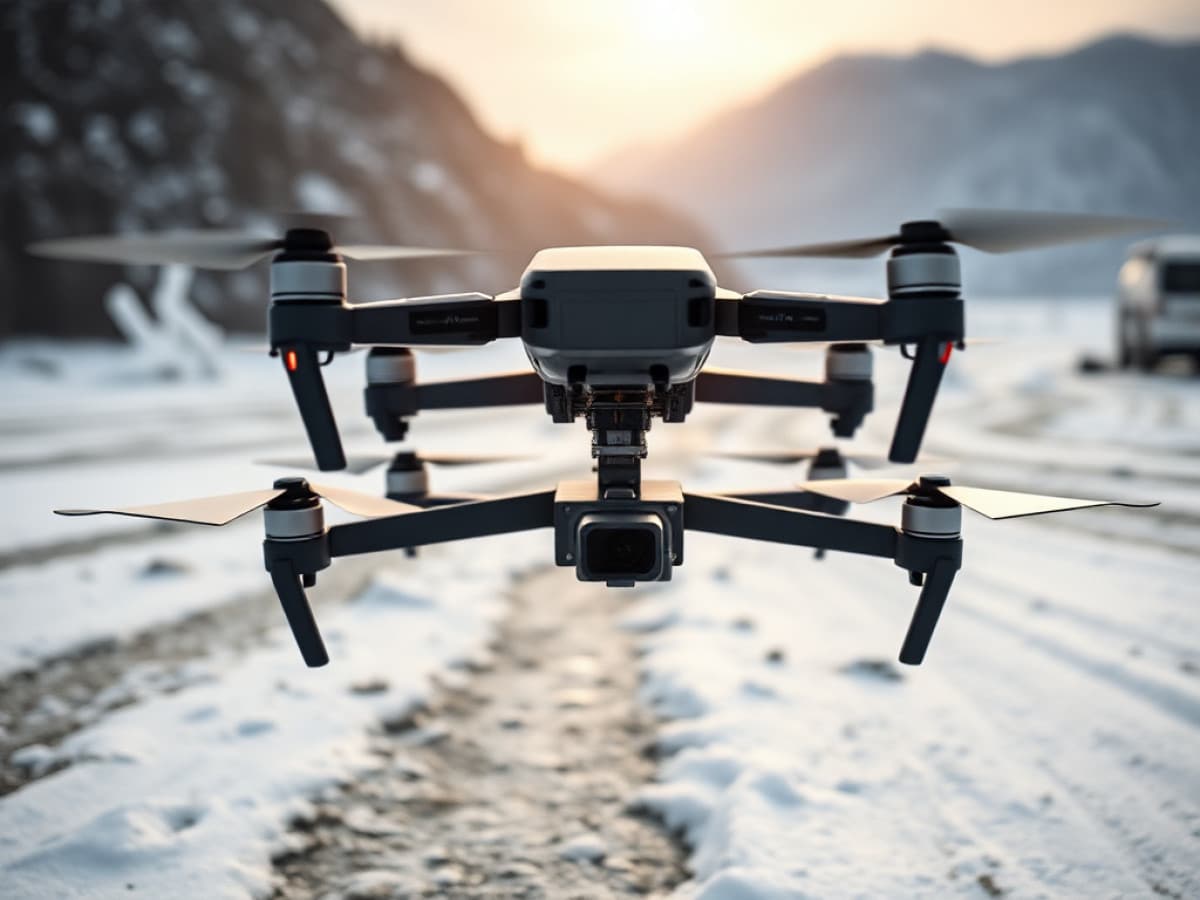
A small, grey FPV drone resting on the snowy ground, in sharp contrast to the soldiers’ white gear, was one of the few signs of their presence. This drone, the American-made Skydio X10D, is similarly utilized by Ukrainian forces.
In July, the Norwegian Ministry of Defense awarded a $9.4 million contract to the U.S. company producing these drones.
“Drawing from Ukraine’s experiences, we are pushing forward with the integration of FPV and intelligence drones, tailoring their use to our specific environmental conditions,” commented a Norwegian officer, who requested anonymity due to the sensitive nature of the operations.
During the NATO exercise, which took place from March 9 to March 19, the same officer revealed to Defense News that there is a growing interest in utilizing FPVs for missions targeting high-value assets. Although some drone operators have started simulator-based training, this component has not yet been officially added to their training curriculum.
The Norwegian Army Land Warfare Centre, tasked with developing and training on new weapon systems, also showcased another drone model, highlighting its role in testing drone capabilities and sensors.
An officer from the Land Warfare Centre who operates the Skydio drone noted that nearly every unit in the Norwegian Army had been equipped with this technology during Cold Response to practice intelligence collection maneuvers. Despite performing well, the drone, like most, faces challenges in the harsh Arctic conditions of Norway.
One significant issue they encountered is the reduction in battery life caused by the cold temperatures.
The Norwegians also tested a homemade FPV drone, constructed from inexpensive components, during the exercise. This drone, designed as a disposable attack unit, was loaded with explosives to test its operational range and impact.
Additionally, the United States brought an experimental drone to the exercise, equipped with a protective cage, courtesy of Johns Hopkins University. This design aims to minimize system losses during training by preventing crashes and facilitating easier repairs if needed.
The U.S. Marines employed these drones in force-on-force exercises, enhancing their piloting skills and developing counter-drone tactics to improve pilot survivability in combat scenarios.
Echoing the concerns of Norwegian forces, Master Sgt. Patrick Harrington, the director of the unmanned systems center of excellence at the 2nd Marine Division, also emphasized power issues as a major challenge when operating FPVs in cold Arctic conditions.
“Our exchanges with allies here have been invaluable, offering insights into how each country employs these systems, their operational strategies, and flight techniques,” he added.
Similar Posts:
- Norway to Deploy Military Police in Arctic: Enhancing Security on Remote Island
- US Companies Battle for Control of Norway’s Maritime Drone Market
- Pentagon Plans to Deploy 300,000 Drones Rapidly: Transforming Modern Warfare!
- Norway’s $2 Billion Decision: Chooses Hanwha for Rocket Artillery Supply
- Finland Shuts Airspace, Limits Sea Traffic Near Russia: Drone Threats Escalate

Jamal Peterson reports on defense, aerospace, and tech policy. With a military background and a strategic mind, he dissects complex subjects with clarity, offering readers sharp, reliable insights.