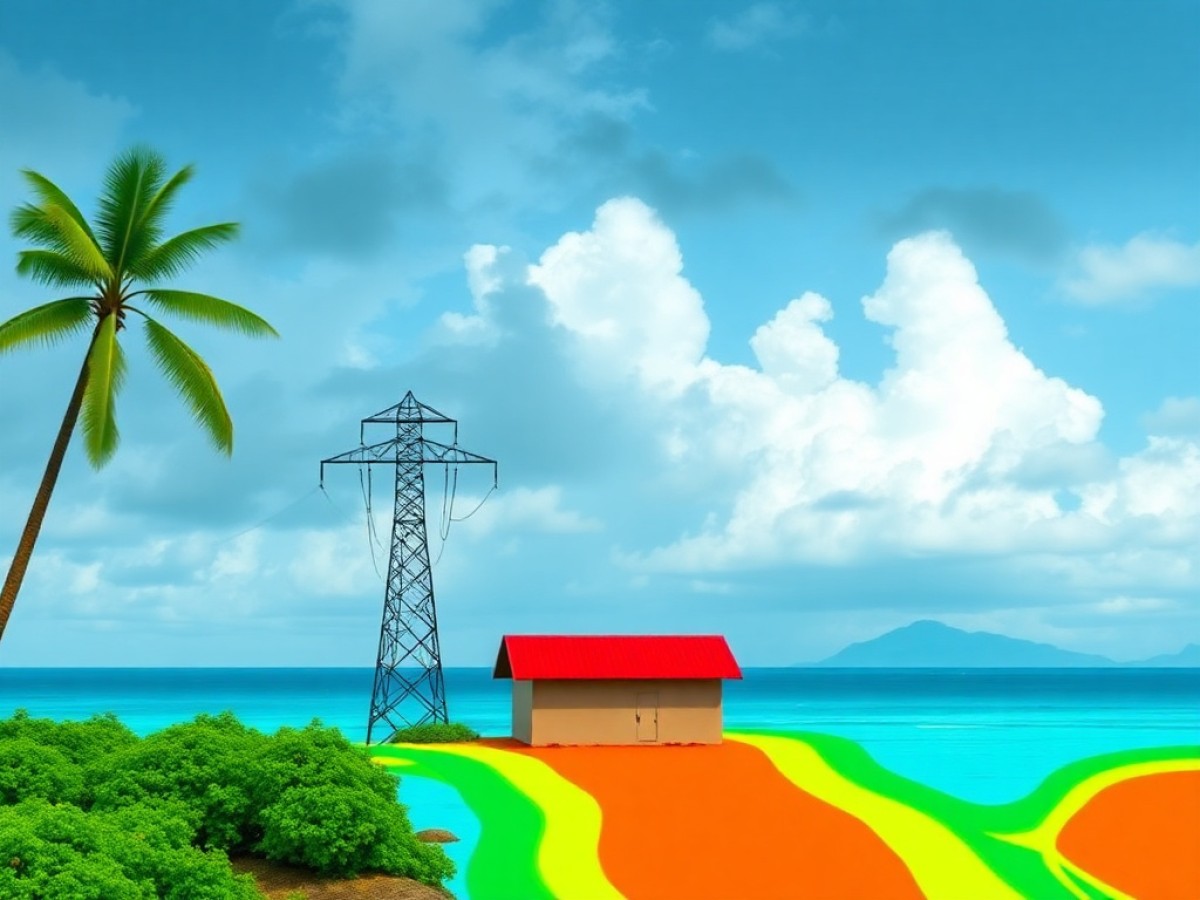
Hawaiian Electric’s $1 Billion Power Project Faces Flood Zone Challenges
Hawaiian Electric has embarked on an ambitious $1 billion initiative aimed at revamping its power infrastructure. However, the project is located in an area known to be susceptible to flooding, raising concerns about its viability and safety.
Location and Risk Assessment
The project site, situated in a recognized flood zone, poses significant risks due to its vulnerability to rising water levels and potential flood events. This has prompted environmental experts and local activists to question the foresight of placing critical infrastructure in such a high-risk area. Critics argue that the selection of the location shows a lack of consideration for the long-term implications of climate change and extreme weather conditions.
Project Details and Infrastructure Concerns
The proposed development involves the construction of new facilities and the upgrade of existing infrastructure, which Hawaiian Electric says is necessary to meet future energy demands and enhance system reliability. Despite these intentions, the flood-prone nature of the area could jeopardize the project’s sustainability and efficiency. Experts suggest that flooding can lead to significant damage to electrical infrastructure, potentially causing widespread power outages and necessitating costly repairs.
Community Impact and Response
The local community has expressed apprehensions about the project, particularly regarding safety issues and the potential for property damage. Community leaders have been vocal in their calls for a re-evaluation of the project site and for Hawaiian Electric to consider alternative locations that are less exposed to environmental hazards. There is also a growing demand for transparency in the planning process and for the inclusion of community feedback in decision-making.
Looking Ahead: Adaptation and Mitigation Strategies
In response to the concerns raised, Hawaiian Electric may need to implement adaptation and mitigation strategies to safeguard the infrastructure and minimize environmental impact. This could involve enhancing flood defenses, such as levees and floodwalls, and employing more resilient construction techniques to withstand flood events. Additionally, the utility company might explore advanced technological solutions to improve the grid’s responsiveness and recovery capabilities during and after floods.
As Hawaiian Electric moves forward with its $1 billion power project, it faces the challenge of addressing environmental and community concerns while striving to achieve its energy and sustainability goals. The situation underscores the importance of careful site selection and planning in infrastructure projects, particularly in areas prone to natural disasters.
Similar Posts:
- Deadly Arizona Floods Claim 4 Lives: Havoc in Historic Mining Town
- Alaska’s Capital Saved from Severe Flooding by Temporary Barriers: Long-Term Solutions Remain Elusive
- Texas Catastrophe: Officials Under Fire for Deadly Flood Response!
- West Texas Power Boost Plan at Risk: Will Electricity Goals Unravel?
- Torrential Rains Unleash Chaos: 12 Hospitalized as Severe Floods Hit Northern Turkey

Morgan Ellis is an investigative journalist passionate about environmental policy and corporate accountability. With a background in climate science and years of reporting for nonprofit media, Morgan brings depth, clarity, and purpose to every story.