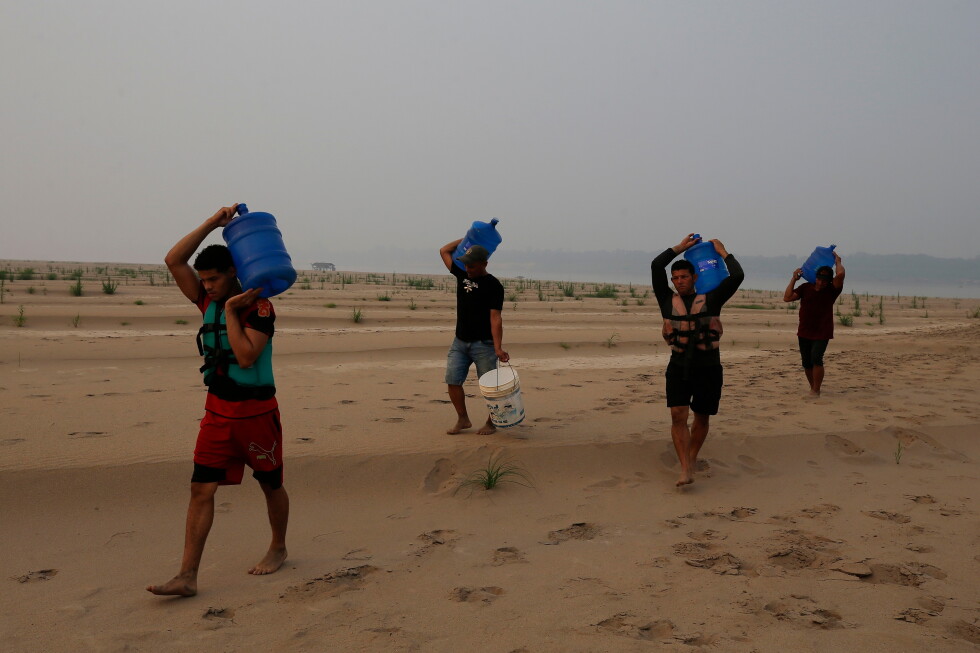
Latin American Nations Gear Up for El Niño Amidst Anticipated Extreme Weather Conditions
As the cyclical climate phenomenon known as El Niño approaches, countries across Latin America are bracing for its impact, which may bring severe droughts, flooding, and intense heat waves. This weather event, characterized by the warming of ocean surface temperatures in the central and eastern Pacific, has historically caused significant weather-related disruptions in the region.
Understanding the Implications of El Niño
El Niño is not just a meteorological term but a complex climatic pattern that affects weather systems globally, particularly in Latin America. The phenomenon occurs at irregular intervals of two to seven years and typically lasts between nine months to two years. Its effects can be profound, altering normal weather patterns, influencing rainfall distribution, and escalating temperatures.
The upcoming El Niño has prompted governments across Latin America to take proactive measures to mitigate the potential damage. These preparations are crucial as the region often faces the brunt of the phenomenon’s extreme conditions, which can severely affect agriculture, water resources, and overall livelihoods.
Proactive Measures in Place
Countries are focusing on various strategies to confront the challenges posed by El Niño. Enhanced forecasting techniques and early warning systems are being prioritized to provide timely information to farmers and fishers whose livelihoods could be jeopardized by abrupt climatic shifts. Additionally, infrastructure improvements, particularly in flood-prone areas, are underway to prevent potential disasters caused by heavy rains.
Water conservation campaigns are also being intensified, given the likelihood of prolonged drought periods. Governments are encouraging the public to reduce water usage and are investing in technologies to improve water management. Such steps are essential to ensure that there is an adequate water supply during dry spells.
Moreover, health authorities are on alert for an increase in heat-related illnesses and vector-borne diseases, which tend to rise during warmer and wetter conditions. Public health campaigns are being planned to educate people on how to stay safe during heat waves and protect themselves from diseases such as malaria and dengue fever.
Regional Cooperation and International Support
In response to El Niño, there is also a significant push for regional cooperation. Countries are sharing data and resources, recognizing that a coordinated effort is more effective in addressing the impacts of such a widespread climatic event. International aid agencies and regional organizations are also stepping in, offering financial and logistical support to bolster local preparedness and response initiatives.
Long-term Strategies and Resilience Building
Beyond immediate preparations, Latin American governments are also looking at long-term strategies to build resilience against future El Niños. This includes investing in sustainable agricultural practices, improving overall infrastructure resilience, and developing broader climate adaptation strategies.
As El Niño looms on the horizon, the comprehensive efforts by Latin American countries underscore the importance of preparedness in minimizing the adverse effects of this powerful natural phenomenon. By taking a proactive and collaborative approach, these nations hope to safeguard their populations and economies from the worst impacts of the upcoming climatic challenges.
Similar Posts:
- Heat Waves Transform Summer Camps: How Kids’ Outdoor Activities Are Adapting!
- Latin America’s Human Rights Court Demands Action on Climate Crisis: States’ Duties Highlighted
- Europe in Flames: Record Heat Sparks Devastating Wildfires Across Multiple Countries
- Record-Breaking El Nino Predicted: Essential Facts You Need to Know
- Climate Crisis Escalates: Killer Heat Wave in Mexico & US 35x More Likely, Intensity Soars

Morgan Ellis is an investigative journalist passionate about environmental policy and corporate accountability. With a background in climate science and years of reporting for nonprofit media, Morgan brings depth, clarity, and purpose to every story.