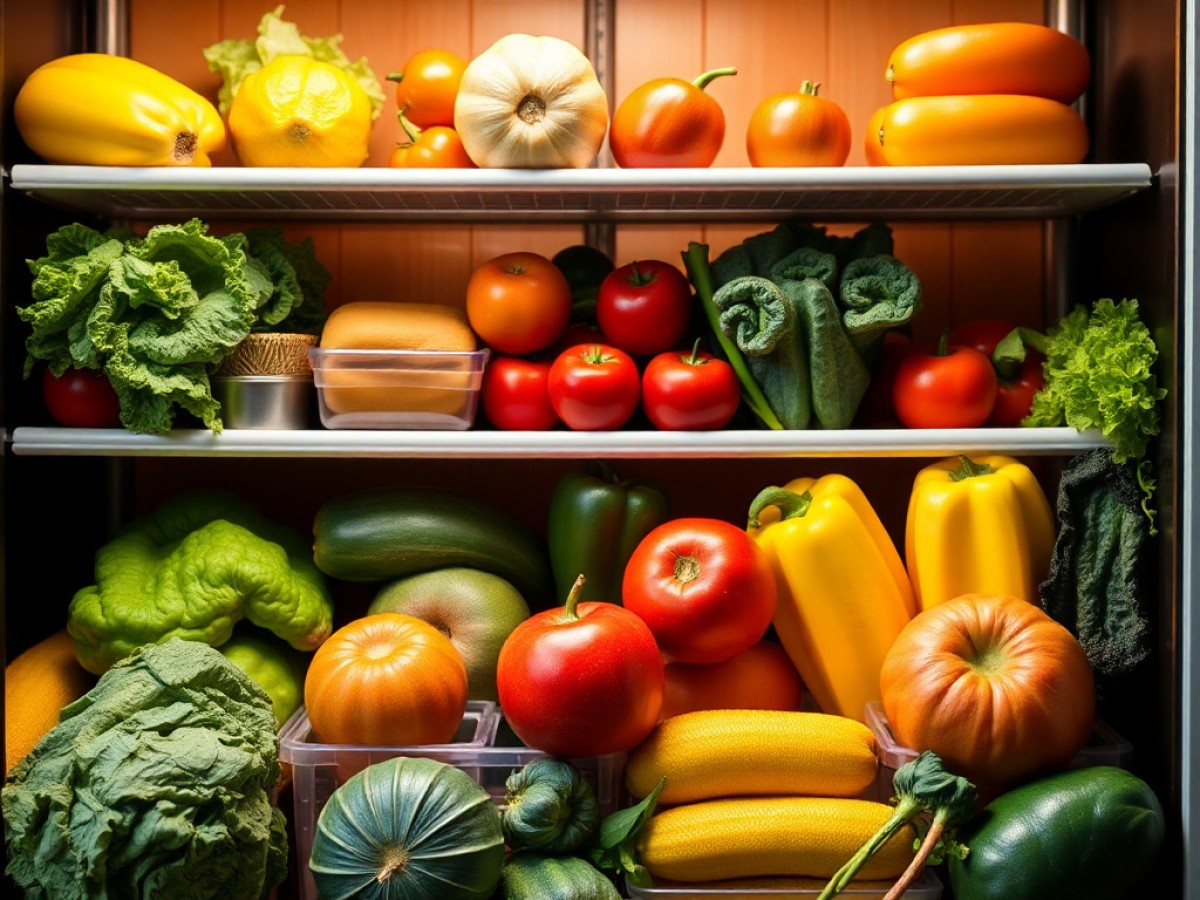
Proper Storage Techniques for Extending the Shelf Life of Your Produce
Storing fruits and vegetables correctly is crucial for maintaining their freshness and extending their shelf life. Different types of produce require different storage methods to keep them fresh for as long as possible. By following these guidelines, you can ensure that your fruits and vegetables stay fresh and edible, reducing waste and saving money.
Understanding the Basics of Produce Storage
The way you store your fruits and vegetables can significantly impact how long they remain fresh. It’s essential to know which items should be refrigerated, which should be kept at room temperature, and how they should be packaged.
For many fruits and vegetables, cool, dry places away from direct sunlight are ideal. However, certain items like potatoes, onions, and tomatoes are best stored at room temperature to maintain their flavor and texture. Conversely, leafy greens, berries, and apples benefit from refrigeration, which can considerably extend their freshness.
Refrigeration Tips
When refrigerating produce, the humidity and temperature settings of your fridge play a vital role. Most modern refrigerators offer crisper drawers with adjustable humidity controls. These drawers are designed to keep your produce in an optimal environment.
Leafy greens, in particular, thrive in high humidity environments. They remain crisp and fresh when stored in a crisper set to high humidity. On the other hand, fruits and vegetables that emit ethylene gas, such as apples and pears, should be kept in a low-humidity drawer. Ethylene can accelerate ripening and spoilage, so it’s essential to separate these from other produce.
Using breathable produce bags or slightly opening plastic bags can also help maintain the right moisture levels and prevent spoilage. Ensure that any cut or peeled produce is tightly wrapped or stored in airtight containers to avoid moisture loss and spoilage.
Room Temperature Storage
Certain fruits and vegetables do not fare well in cold environments and should be stored at room temperature. Tomatoes, for instance, can lose their flavor and become mealy in the fridge. Instead, place them on a counter away from direct sunlight and heat sources. Similarly, onions and potatoes prefer cool, dark places like a pantry or a cellar. Keeping these items in a well-ventilated area will help maintain their quality for a longer period.
It’s also important to keep fruits that emit ethylene gas, like bananas, avocados, and peaches, away from other produce that might be sensitive to this gas. Ethylene can cause rapid ripening and may lead to premature spoilage.
Special Considerations for Berries and Herbs
Berries and herbs require special attention due to their delicate nature. Berries can be kept fresh longer by storing them in the refrigerator, ideally in their original container or a breathable container. It’s beneficial to avoid washing berries until just before you plan to use them, as moisture can promote mold growth.
Herbs, on the other hand, can be kept like bouquets in a glass of water at room temperature or in the refrigerator, depending on the type. For example, basil prefers room temperature, away from cold drafts, while parsley and cilantro can be refrigerated.
By applying these tailored storage methods to your fruits, vegetables, and herbs, you can significantly extend their freshness and enjoy them at their best quality for a longer period. This not only helps in reducing food waste but also in making the most of your grocery budget.
Similar Posts:
- Solar-Powered Cold Storage: Transforming African Agriculture, Reducing Losses, Expanding Markets
- Cold Weather Nutrition: Foods to Prevent Dry Skin in Winter
- Slash Your Grocery Bills & Save the Planet: Essential Tips to Reduce Food Waste and Pollution!
- Boost Health and Help the Planet: Start Your Own Backyard Vegetable Garden Today!
- Mayo Clinic Reveals: 8 Essential Diet Tips to Prevent Heart Disease

Morgan Ellis is an investigative journalist passionate about environmental policy and corporate accountability. With a background in climate science and years of reporting for nonprofit media, Morgan brings depth, clarity, and purpose to every story.