Paralympians Resort to Summer Attire on the Slopes: Is It Time to Reschedule the Games?
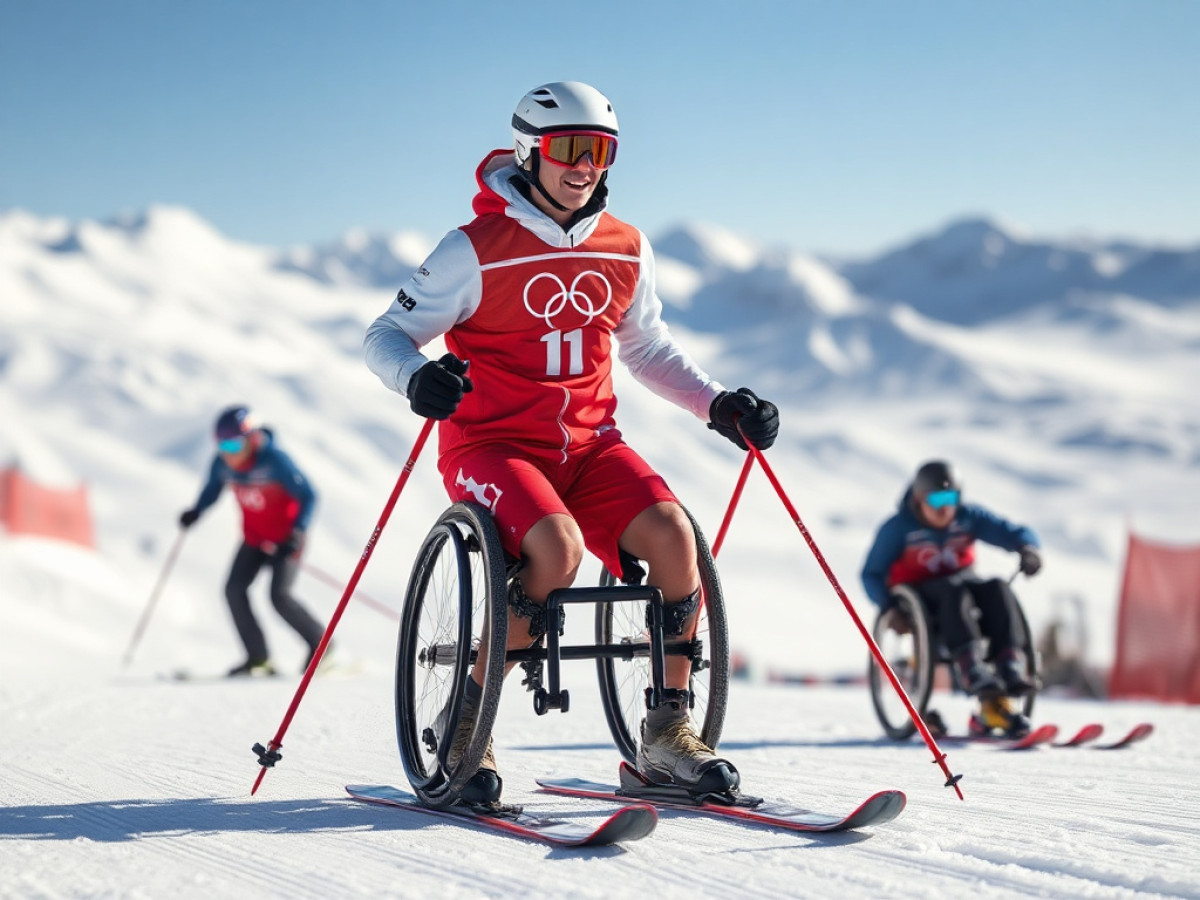
In an unusual sight that has become increasingly common, Paralympic skiers are hitting the slopes clad in shorts and T-shirts, prompting a debate about whether the Paralympic Winter Games should be held earlier in the year. This change in attire, driven by unusually warm temperatures at the competition venues, raises concerns not only about athlete comfort but also about the broader implications of a warming climate on winter sports.
Adapting to Rising Temperatures
The trend of warmer winters has led to softer snow and slushier conditions on the slopes, conditions that are far from ideal for winter sports which traditionally rely on colder, more predictable weather patterns. This shift is particularly challenging for Paralympic athletes, who already navigate a range of physical challenges and heavily depend on the stability and consistency of the snow.
As athletes adapt to these changes, the visual of competitors in minimal clothing, more suited to a beach than a ski slope, underscores the stark reality of climate change and its impact on even the most well-planned international events. The increasing temperatures have sparked a discussion among committees and stakeholders about the possibility of rescheduling the Games to earlier in the winter season, potentially avoiding the warmer late-season weather.
The Impact on Paralympic Competitions
The unusual weather patterns not only affect the athletes’ performance but also pose significant safety risks. Softer snow increases the likelihood of injuries, and the warmer weather can lead to quicker fatigue, both of which are critical concerns for all competitors, especially for those in the Paralympics. Moreover, these conditions could potentially undermine the fairness of the competition, as they might benefit some athletes over others, depending on their categories and the nature of their disabilities.
The discussion about moving the Paralympic Winter Games to an earlier date is also intertwined with broader logistical and environmental considerations. Changing the dates of such a major international event involves numerous stakeholders, including host cities, broadcasters, sponsors, and, of course, the athletes themselves. There is also the consideration of how such changes align with the Olympic Games, typically held just before the Paralympics.
Looking Toward Future Games
As the climate continues to change, the International Paralympic Committee and other governing bodies face increasing pressure to adapt not only the scheduling but also the infrastructure of the Games. This might include investing in artificial snow technologies, choosing locations based on climatic predictions, or even rethinking some outdoor events.
Ultimately, the decision to alter the timing of the Paralympic Winter Games will require a careful balancing of the athletic, environmental, and commercial impacts. While the sight of skiers in shorts might be a novelty today, it starkly highlights the urgent need for adaptation in the face of an evolving global climate. As discussions continue, the priority remains clear: ensuring the safety, competitiveness, and fairness of the Games for all athletes, regardless of the weather conditions they face.
Similar Posts:
- Climate Change Crisis: Future Winter Olympics Hosts Dwindling Fast!
- Intense Snow Hits Great Lakes, South Faces Record Lows: Meteorologists Issue Warning
- Winter Storm Hits UK and France: Cold Snap Grips Europe!
- Arctic Blast Sweeps US: Snowfall and Unusual Cold Grip Florida!
- Severe Weather Alert: Snow, Wind Slam US, Thunderstorms and Tornadoes Loom!

Morgan Ellis is an investigative journalist passionate about environmental policy and corporate accountability. With a background in climate science and years of reporting for nonprofit media, Morgan brings depth, clarity, and purpose to every story.