PARIS — The Swiss government announced on Friday that it is considering the purchase of a second long-range air-defense system, with a preference for one made in Europe. This decision comes as the delivery of the Patriot systems, which were previously ordered from the United States, is expected to be delayed by four to five years.
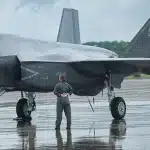
Furthermore, Switzerland plans to reduce the number of Lockheed Martin F-35 fighter jets it will acquire due to a rise in per-unit costs. The original order was for 36 aircraft, but the government is not prepared to increase the budget to support this number, according to Martin Pfister, the federal defense councillor, during a press briefing.
The shift in the U.S. priorities last year, which focused on supporting Ukraine, led to the reprioritization of the Patriot system deliveries. The Swiss national armaments director learned about the potential delays and additional costs in February, Pfister mentioned.
According to the latest updates, the schedule for delivering the systems will be pushed back by four to five years, although the exact impact of the ongoing conflict in the Middle East on this delay is still uncertain, Pfister explained.
Switzerland had initially ordered the Patriot systems in 2019 for 2 billion francs, but now anticipates that costs could surge by up to 50% due to the latest postponements.
Despite these challenges with the Patriot, it remains a key element of Switzerland’s extended-range air defenses. The government has directed the Federal Department of Defence to urgently explore options for acquiring a second ground-based, long-range air defense system to fill current capability gaps as swiftly as possible, Pfister stated.
Pfister emphasized that the preferred choice is a system either produced in Europe or a non-European system made within Europe. This strategy aims to reduce dependency on a single supply chain or country, thereby enhancing overall availability.
The only European alternative to the Patriot is the French-Italian SAMP/T system, developed by Eurosam, a collaboration between Thales and the French and Italian branches of missile manufacturer MBDA. Denmark recently selected this system in September.
Any acquisition of a second air-defense system will need parliamentary approval and will be funded through the regular armed forces budget, Pfister added.
Regarding the F-35 acquisition, the initially approved budget of 6 billion Swiss francs (approximately US$7.6 billion) can no longer cover the purchase of 36 jets. The government has declined to provide an additional 1.1 billion francs to maintain the original number. Instead, with an additional 400 million francs, Switzerland now anticipates purchasing about 30 jets, though the exact number has not been finalized.
The escalating costs of the F-35 have been a point of contention between Switzerland and the U.S. Switzerland’s participatory democracy model, which allows voters to have a direct say on large expenditures, restricts the government’s flexibility in financial decisions. The budget for the F-35 deal was narrowly approved by Swiss voters in 2020, with a 50.2% majority.
The Federal Council has acknowledged a current budget shortfall for defense and civilian security authorities amounting to 31 billion francs.
Pending legislative approval, the plan to address this financial gap includes a proposal to increase the value-added tax by 0.8% over ten years and to establish a special fund dedicated to financing urgently needed military equipment, according to officials following their March 6 cabinet meeting.
Similar Posts:
- Swiss Audit 2022 F-35 Contract: Surprising Costs Could Reduce Purchase!
- Netherlands Rushes $1.1 Billion Order: Boosts Defense with Extra Patriot System
- Ukraine Seeks EU Funding for First Patriot Missiles Purchase: A Strategic Defense Move
- Army Expands Patriot Battalions: Additional Unit Destined for Guam
- Israel Boosts Air Power: Massive Purchase of F-35 and F-15 Jets Confirmed

Jamal Peterson reports on defense, aerospace, and tech policy. With a military background and a strategic mind, he dissects complex subjects with clarity, offering readers sharp, reliable insights.