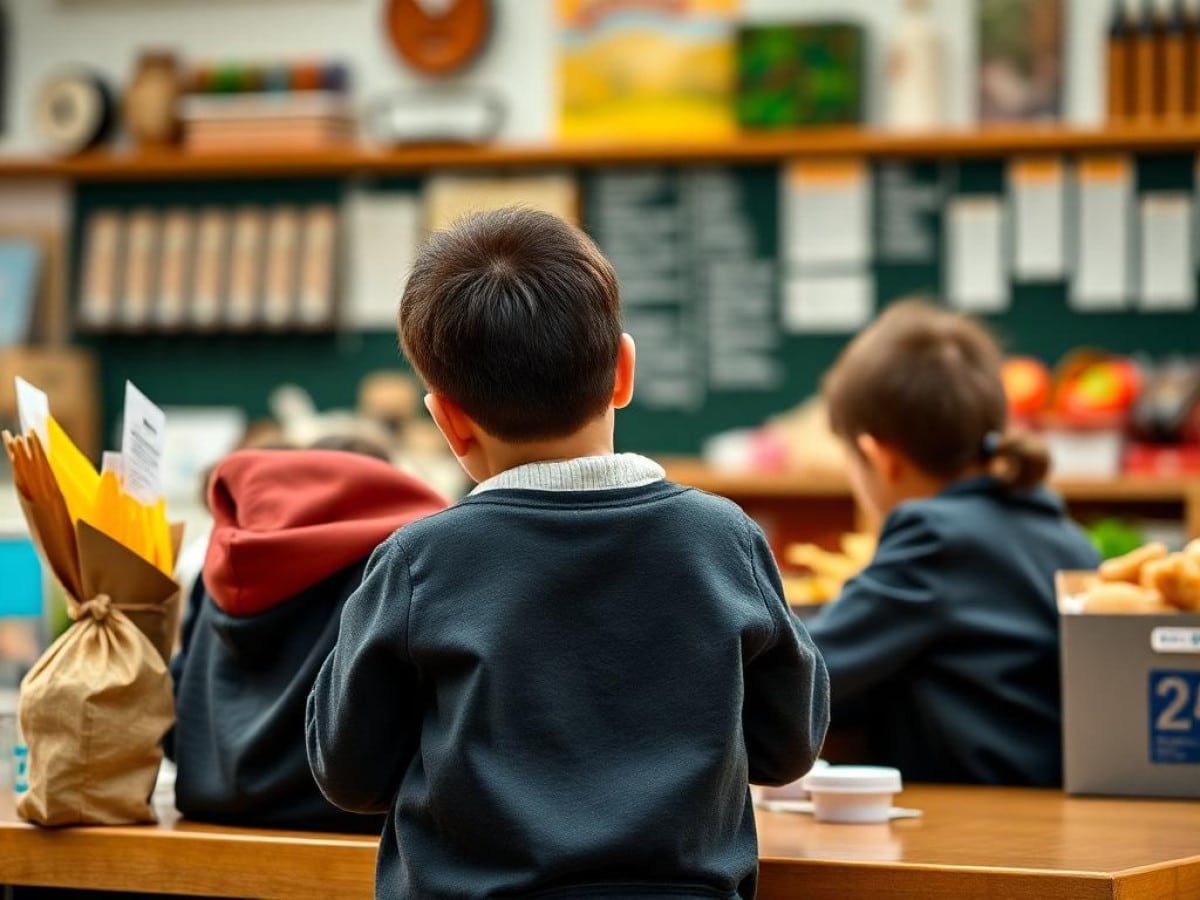
There’s cause for celebration: the initiative to provide free school meals to all children in England who are on universal credit is being met with enthusiasm by educational institutions, nurseries, children’s charities, and colleges. Initially, this scheme will benefit an additional 500,000 children, but projections by the Institute for Fiscal Studies suggest that up to 1.7 million children will eventually qualify. The Child Poverty Action Group (CPAG) has lauded the initiative, highlighting that it will alleviate the financial burden on families by £500 annually, thereby potentially lifting 100,000 children out of poverty.
The importance of proper nutrition cannot be overstated. Children who are hungry struggle to focus and learn, and often skip school to avoid the humiliation associated with not having money for lunch or a packed meal, as reported by CPAG’s Priced Out of School study. There is strong evidence to suggest that children’s school performance and attendance improve when they are well-nourished. The Feed the Future campaign further supports these findings, indicating enhancements in health, happiness, a reduction in obesity, and even long-term earnings when children are adequately fed.
The new initiative for universal breakfast clubs marks significant progress. Another positive development is the enforcement of regulations that prevent schools from requiring excessively expensive uniforms, a practice that can subtly exclude lower-income families. These measures are part of a broader strategy to combat poverty.
However, addressing poverty is a complex issue. Celebrating the expansion of free meals is necessary, but we must also scrutinize the actual impact on child poverty rates. The government and the IFS report that 100,000 children will be lifted out of poverty. Yet, when considering the severe consequences of the impending cuts to disability benefits and Pip, which amount to £5bn, the government’s own reports forecast an increase in poverty. According to Annex B of a government document, these cuts will result in an additional 250,000 people, including 50,000 children, falling below the poverty line after housing costs by 2030.
As families lose benefits like Pip, their financial situation worsens. While free school meals may provide some relief, not all affected families will qualify, and many will find themselves financially worse off when the benefits of free meals are weighed against their losses.
A critical vote on disability benefit reductions is imminent, with up to 170 Labour MPs poised to oppose the cuts. The Department for Work and Pensions is urgently revising its proposals in light of the upcoming vote, needing to consider the potential increase in child poverty.
The government’s proposed Pathways to Work plan, aimed at reducing disability benefits, has faced widespread criticism. Citizens Advice, in its Pathways to Poverty response, condemned the lack of consultation and predicted that the cuts would plunge numerous disabled individuals and their families into poverty or deepen their financial struggles. The reforms appear to prioritize budget cuts over improving outcomes, potentially causing unforeseen hardships.
While it is undeniable that action is needed to address the increasing number of working-age individuals suffering from health issues, there are promising plans to provide supportive work coaches. However, a sudden need to find savings has led to harsher cuts being proposed without adequate consideration of their impact. Unlike the successful New Labour’s New Deal, which created savings by helping people find employment, these preemptive benefit cuts could harm people’s ability to work.
The introduction of free school meals highlights the stark reality of poverty, with the previously low income threshold for qualification shockingly set at £7,400. Comparatively, the threshold in Northern Ireland is twice as high. Regions like Wales and London offer universal free meals to primary students, and in Scotland, meals are free for the first five years of primary education. Since 2010, families with children have seen a cut of £2,200 annually in tax and benefits, with those out of work losing even more, as per the IFS. Reversing these cuts is a formidable challenge.
Despite the provision of free meals, many children will remain in poverty, as simply providing an additional £500 per year is insufficient. Removing the two-child limit on benefits would be a more cost-effective measure for reducing child poverty. The estimated £3.5 billion needed for this change is under review by Liz Kendall and Bridget Phillipson’s child poverty taskforce, which will present its findings during the autumn budget. The government has committed to reducing child poverty, and this free meal program is just an initial step. More substantial actions are expected to follow.
In conclusion, despite concerns over disability claims, the proportion of government spending on working-age benefits has remained stable over the past two decades. However, cuts affecting children have been offset by increases for pensioners protected by the triple lock.
-
Polly Toynbee is a columnist for The Guardian
Similar Posts:
- Shocking Levels of Poverty in England: Children Facing Near-Dickensian Conditions
- Skyrocketing Costs Force Parents in England to Shell Out More for School Lunches
- Severe Disability Benefit Cuts Contradict Minister Claims, Charities Warn
- UK Families in Crisis: Billions Needed for Childcare and Nurseries!
- Save Big on School Uniforms Now: Expert Tips for Cost-Cutting Before the Term Starts in the UK