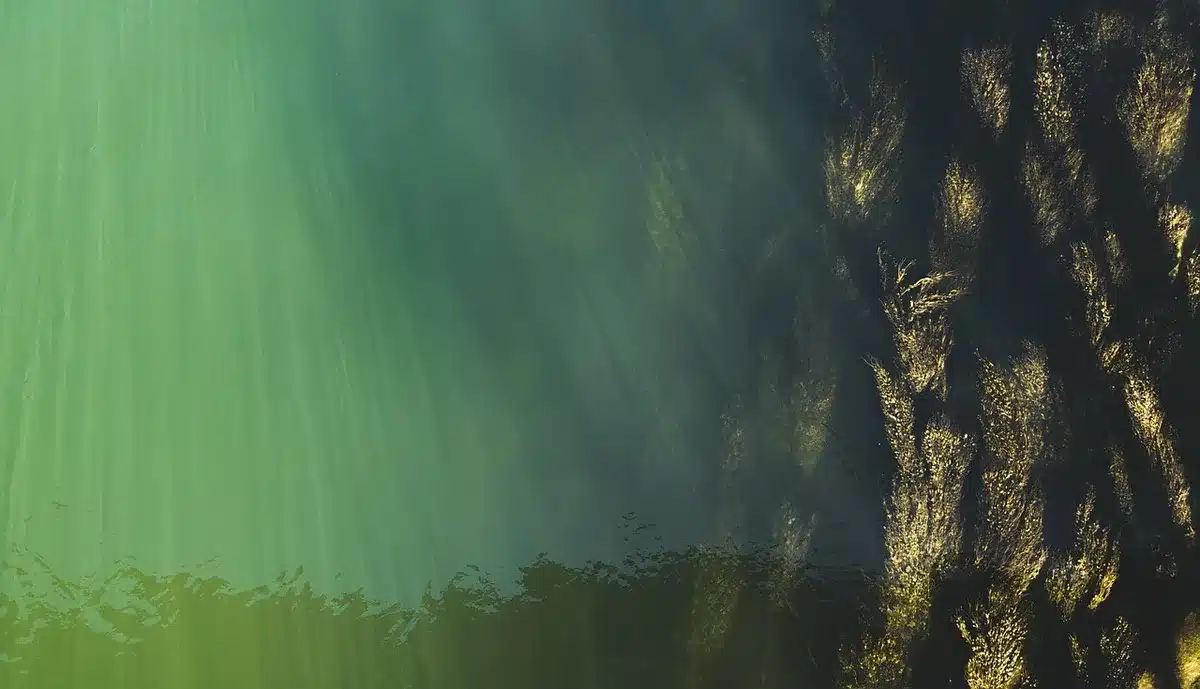
Efforts to Preserve Maine’s Coastal Seagrass
In a bid to conserve the crucial seagrass meadows along Maine’s coastline, scientists and environmentalists are rallying together. These underwater fields, predominantly made up of eelgrass, play a vital role in the marine ecosystem. They offer a breeding ground for fish, serve as a buffer from coastal erosion, and significantly contribute to carbon dioxide absorption, which helps combat climate change.
Understanding the Decline
Recent years have seen a troubling decline in the extent of these seagrass meadows. This reduction has been attributed to a variety of factors, including pollution, coastal development, and the repercussions of climate change such as rising sea temperatures and ocean acidification. The deterioration of these meadows has serious implications for biodiversity, fish populations, and the overall health of the ocean.

The Strategy for Restoration
In response to this environmental challenge, a comprehensive plan aimed at restoring these vital habitats has been put into action. The strategy involves planting eelgrass manually in areas where it has disappeared. This labor-intensive process requires divers to plant eelgrass shoots in the seabed, where they can take root and hopefully thrive again.
Additionally, efforts are being made to address the root causes of the meadows’ decline. This includes improving water quality by reducing pollution runoff from land, regulating coastal development to minimize habitat disruption, and implementing measures to mitigate the effects of climate change on marine environments.

Community Involvement and Education
The success of these restoration efforts also depends heavily on local communities and their participation. Educating the public about the importance of preserving seagrass meadows and involving them in conservation efforts is crucial. Through workshops and volunteer programs, residents are taught how they can contribute to the health of these ecosystems.
Moreover, scientists are conducting ongoing research to better understand the dynamics of seagrass meadows and the factors contributing to their decline. This research is critical in crafting more effective conservation strategies and in monitoring the success of restoration efforts.
Looking Ahead
The race to save Maine’s seagrass meadows is a challenging yet vital endeavor. These habitats are not only important for marine life but are also essential in the fight against climate change. By restoring and preserving these underwater fields, there is hope for a healthier marine environment that can sustain its diverse ecosystems and continue to benefit future generations. The collective efforts of scientists, environmentalists, and local communities are pivotal in turning the tide against the decline of these precious marine habitats.
Similar Posts:
- Bees Battle Climate Change: Researchers Fear for Their Future Survival
- Coastal Crisis: Louisiana’s Huge Restoration Project in Jeopardy Over Hidden Report Claims
- Maine Lakes Echo with Loon Calls: Discover the Increasing Presence of These Mystical Birds
- Mystery of the Ocean Unraveled: Listen to the Oldest Known Whale Recording!
- Shark Nursery Discovered in Brazilian Bay: Urgent Conservation Efforts Launched!

Morgan Ellis is an investigative journalist passionate about environmental policy and corporate accountability. With a background in climate science and years of reporting for nonprofit media, Morgan brings depth, clarity, and purpose to every story.