Environmental Considerations Extend Beyond Life
The environmental impact of an individual continues even after their demise. As awareness grows, there is an increasing shift towards considering environmentally friendly alternatives for handling human remains. This movement challenges conventional practices and advocates for sustainable options that minimize ecological footprints even in death.
Rising Interest in Eco-Friendly Burial Options
In recent years, there has been a significant uptick in the number of people exploring ‘greener’ methods of burial. Traditional burial methods, often involving embalming chemicals and resource-intensive caskets, can be harmful to the environment. Similarly, cremation releases considerable amounts of carbon dioxide and other pollutants into the atmosphere. In response, more environmentally conscious options are gaining popularity.
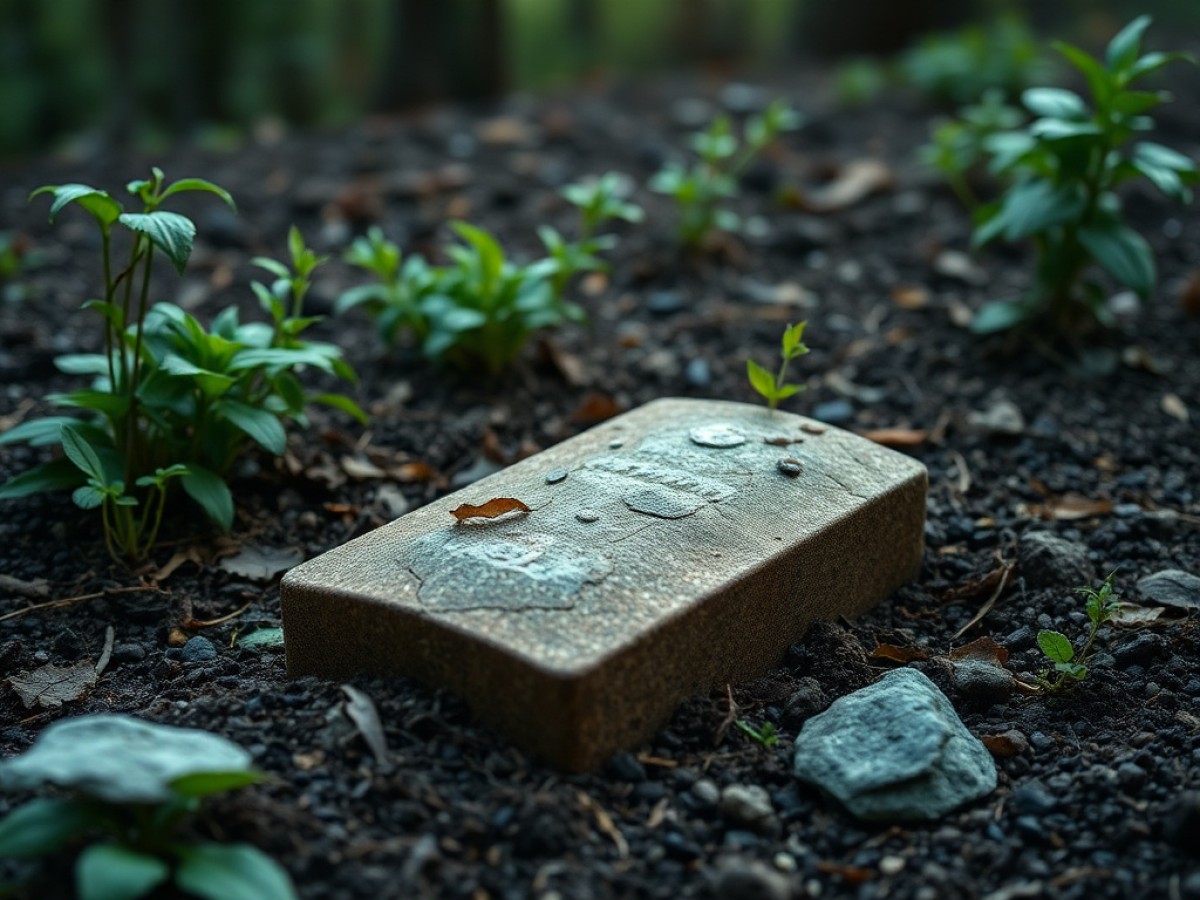
One such method is natural or green burial, where the body is placed directly into the earth, allowing it to decompose naturally and contribute to soil health. This method eschews the use of chemical preservatives and often employs biodegradable caskets or shrouds. Some people even choose to have their remains provide nutrients to a newly planted tree or shrub, symbolically continuing their contribution to the earth’s lifecycle.
Innovations in Eco-Friendly Disposition
Beyond traditional green burials, several innovative methods have emerged. Aquamation, also known as alkaline hydrolysis, uses water and lye to break down the body, significantly reducing energy usage and carbon emissions compared to cremation. Another method gaining interest is human composting, where the body decomposes into soil over several weeks with the help of natural processes, which can then be used to nourish the earth.
Legal and Cultural Hurdles
Despite the growing interest in these alternatives, there are significant legal and cultural barriers. Many regions still lack clear regulations allowing for practices like human composting, and traditional burial and cremation practices are deeply ingrained in many cultures and religions. However, as ecological awareness increases, these challenges are slowly being addressed through legislative changes and broader cultural discussions about death and sustainability.
Public Perception and Adaptation
The shift towards greener death options is also influenced by changing perceptions of death and an increasing desire to align end-of-life choices with personal and environmental values. This perspective sees death as a natural part of life, where the ecological implications are considered and addressed. Educational efforts and discussions are vital in transforming public opinion and encouraging more people to consider these alternatives.
As society continues to grapple with the implications of climate change and environmental degradation, the concept of a sustainable death is becoming a crucial part of the conversation. By reconsidering how we handle the remains of the deceased, we can make a significant, positive impact on the planet, even in death. This growing awareness represents a critical shift towards a more sustainable and respectful relationship with the Earth, highlighting that our responsibility to the environment does not end at death.
Similar Posts:
- Gen Z and Millennials Opt for Eco-Friendly Flowers: Shunning Imports for Sustainability
- Iran Conflict Escalates UK Funeral Expenses: Families Feel the Pinch
- Microplastics Alert: Your Garden Gear Could Be Harmful, Explore These Safer Alternatives!
- Climate Change Alert: Ditch Your Lawn for Low-Water Landscaping!
- Mercury Crisis in Senegal: Toxic Gold Mining Poisons Locals!

Morgan Ellis is an investigative journalist passionate about environmental policy and corporate accountability. With a background in climate science and years of reporting for nonprofit media, Morgan brings depth, clarity, and purpose to every story.