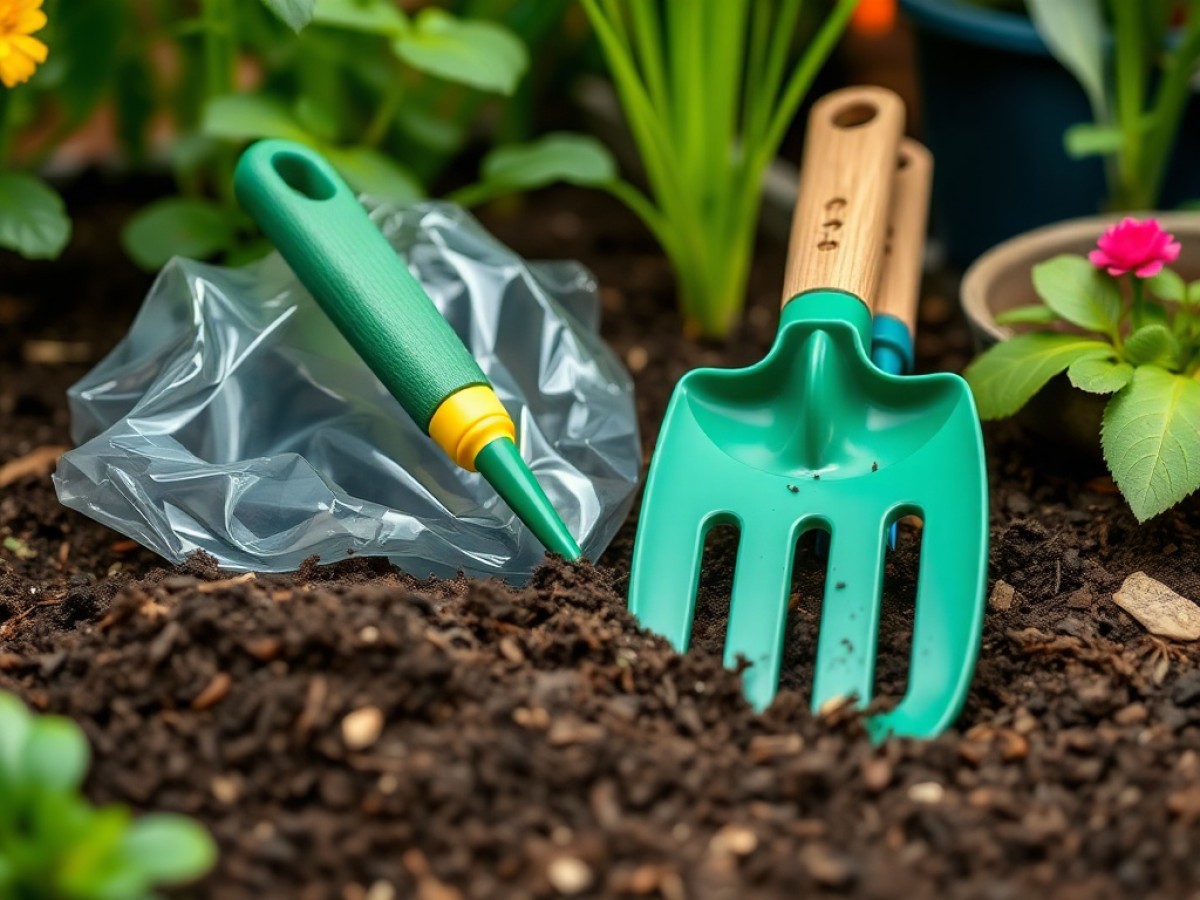
Plastic Equipment in Gardens May Contribute Microplastics to Soil
Gardening enthusiasts often use various tools and accessories made of plastic, but there’s growing concern about these materials contributing to soil pollution in the form of microplastics. When plastic items degrade, they break down into smaller particles, known as microplastics, which can have a detrimental impact on the soil and broader environment.
Understanding the Impact of Plastic on Soil Health
When gardening equipment made from plastic, such as pots, tools, and netting, starts to wear out, tiny particles break off and accumulate in the garden soil. Over time, these microplastics become integrated with the soil, potentially affecting its structure, water retention abilities, and microbial life. This can lead to less fertile soil and negatively impact plant growth.
Exploring Sustainable Alternatives for Gardening
Given the environmental concerns associated with plastic gardening supplies, many gardeners are turning to more sustainable alternatives. Here are a few options:
– **Wooden Tools**: Opt for gardening tools with wooden handles and components. Wood is not only biodegradable but often more durable than plastic. Ensure that the wood is sourced from sustainable forests or recycled materials.
– **Terracotta or Metal Pots**: Instead of plastic pots, consider using those made of terracotta or metal. Terracotta is particularly beneficial as it is porous, allowing roots to breathe more easily, which is healthier for most plants.
– **Natural Fiber Netting**: For garden netting, switch from synthetic materials to natural fibers such as jute or cotton. These materials are biodegradable and pose less of a threat to wildlife and soil health.
– **Biodegradable Planters**: There are now planters available that are made from natural materials like coconut coir, rice husks, and other biodegradable components. These can decompose naturally in the environment, adding nutrients back to the soil rather than pollutants.
The Benefits of Reducing Plastic Use in Gardening
Reducing the use of plastic in gardening not only helps in minimizing the risk of microplastic pollution but also supports a more sustainable ecosystem. By choosing environmentally friendly materials, gardeners can contribute to healthier soil and a lower carbon footprint. Moreover, many sustainable gardening practices, such as composting organic waste or using natural mulches, enhance soil fertility and help retain moisture, leading to more robust plant growth.
As awareness of environmental issues grows, more gardeners are adopting practices that protect and nurture the earth. By exploring and implementing alternatives to plastic gardening supplies, individuals can make a significant positive impact on their immediate environment and the planet as a whole.
Similar Posts:
- Dangerous Microplastics in Plastic Forks: Sugar-Based Alternatives Could Be the Solution!
- Mexican Startup Transforms Plastic Waste Into Fuel: A Revolutionary Approach to Pollution
- Revive Your Old Batteries: Discover the Safe Way to Recycle and Reuse!
- Climate Afterlife: Rising Trend of Eco-Friendly Burial Options
- Darien Gap Crisis: Few Migrants Left, Major Environmental Damage Remains

Morgan Ellis is an investigative journalist passionate about environmental policy and corporate accountability. With a background in climate science and years of reporting for nonprofit media, Morgan brings depth, clarity, and purpose to every story.