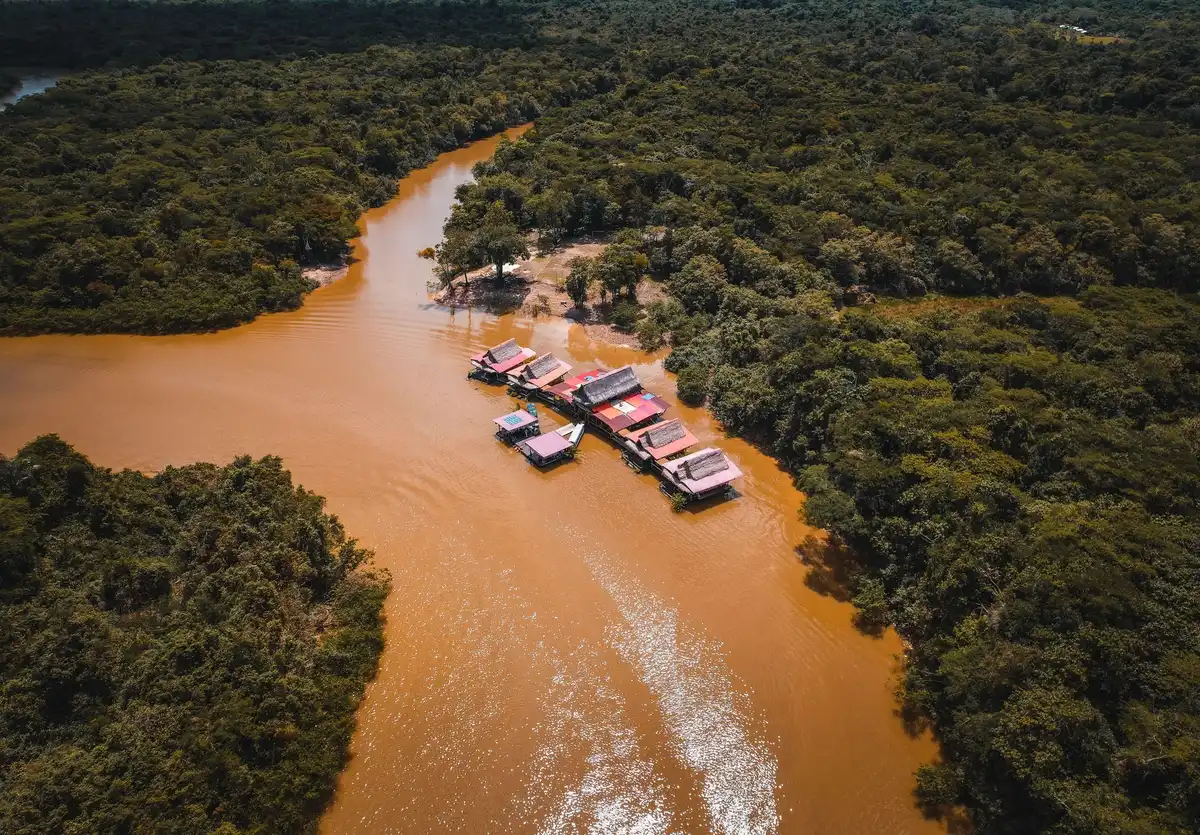
Significant Amazon-Related Legal Matters Escalate to Brazil’s Supreme Court in Wake of Lula’s Congressional Setbacks
The Supreme Court of Brazil is poised to review several pivotal cases concerning the Amazon rainforest. This judicial scrutiny coincides with recent political challenges faced by President Luiz Inácio Lula da Silva in the nation’s legislature. These events mark a critical juncture for the environmental policies surrounding one of the world’s most vital ecological assets.
Background and Current Challenges
Upon his return to office, President Lula prioritized the protection and sustainable management of the Amazon. His administration has been proactive in revoking many of the environmentally detrimental policies implemented by his predecessor, Jair Bolsonaro. However, despite these efforts, Lula has encountered considerable resistance in Congress, where a significant number of lawmakers oppose his environmental agenda.
The legislative opposition has been substantial, particularly from members affiliated with agribusiness interests, who argue that stringent environmental regulations could hinder economic growth. This bloc’s influence was starkly evident when they managed to obstruct Lula’s proposal to restructure the Ministry of Indigenous Peoples. The proposal aimed to empower indigenous groups and enhance environmental protections but was met with robust resistance, highlighting the deep divisions within Brazilian politics regarding environmental policy.
Supreme Court Interventions
Given the roadblocks in Congress, the focus has now shifted to the Supreme Court, where several crucial cases regarding the Amazon are under examination. These cases will test the balance of power between federal and state authorities over environmental management and indigenous rights in the Amazon.
One of the prominent cases before the court involves a law from Roraima, one of the Amazon states. This law aims to reduce the size of a reservation for the Yanomami people, which would open new areas for agricultural development. Critics argue that such a move would not only threaten the preservation of indigenous lands but also exacerbate the deforestation crisis in the Amazon.
Another significant case addresses the environmental licensing requirements for agricultural and infrastructure projects. The court’s decision could either streamline the process by reducing federal oversight, favored by agricultural interests, or maintain stringent controls to protect the Amazon from further degradation.
Implications for the Future
The decisions of Brazil’s Supreme Court in these cases will significantly impact the future management of the Amazon. They hold the potential to either reinforce or undermine Lula’s environmental policies. Furthermore, these rulings will set precedents that may shape the legal landscape for environmental and indigenous rights protection in Brazil for years to come.
As the world watches, the outcomes of these legal battles will not only determine the fate of the Amazon but also reflect the broader struggle between environmental conservation and economic interests in Brazil. The Supreme Court’s role as an arbiter in these matters underscores the complex interplay of politics, law, and environmental stewardship in shaping national policy.
Similar Posts:
- Amazon Crisis: Cattle Conflict Intensifies Tensions for Brazil’s Indigenous Peoples
- DiCaprio Funds Brazilian Environmentalist: Cleared of Bolsonaro’s False Fire Accusations!
- Amazon Tribes to UN: Stop Organized Crime Without Militarizing Our Lands!
- Acai Berry Delights Stun at Brazil Climate Summit: Traditional Recipes, Zero Sugar Added!
- UN Climate Talks in Brazil: Soaring Costs Deter Participants

Morgan Ellis is an investigative journalist passionate about environmental policy and corporate accountability. With a background in climate science and years of reporting for nonprofit media, Morgan brings depth, clarity, and purpose to every story.