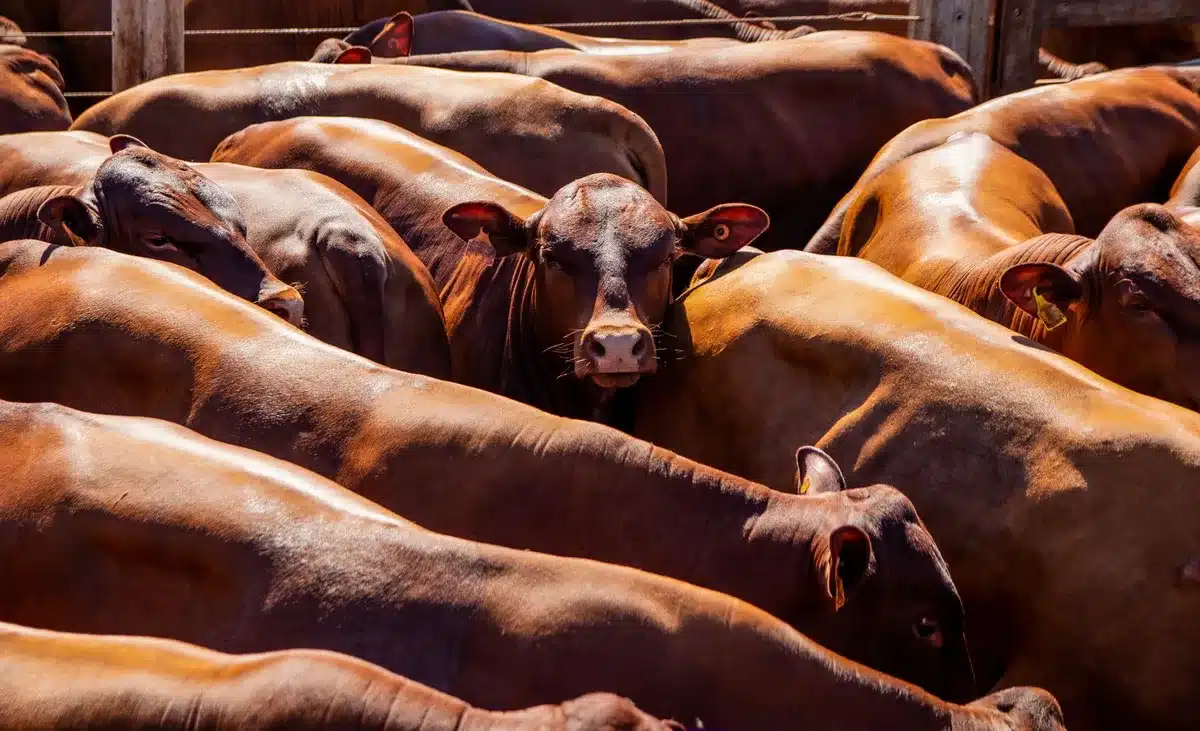
Brazil’s Amazon Cattle Dispute Spotlights Indigenous Struggles
In the heart of Brazil’s Amazon, a contentious issue involving cattle ranching is underscoring the ongoing challenges faced by Indigenous populations. This conflict not only reveals the socio-economic pressures prevalent in the region but also highlights the struggle for land and cultural preservation among native communities.
The Amazon rainforest, known for its vast biodiversity and ecological importance, is also a battleground where the interests of agriculture, particularly cattle ranching, often clash with efforts to protect land rights and traditional ways of life of Indigenous peoples. Cattle ranching, a booming industry in Brazil, is one of the leading causes of deforestation in the Amazon, pushing deeper into the rainforest and encroaching on Indigenous territories.
The Heart of the Dispute
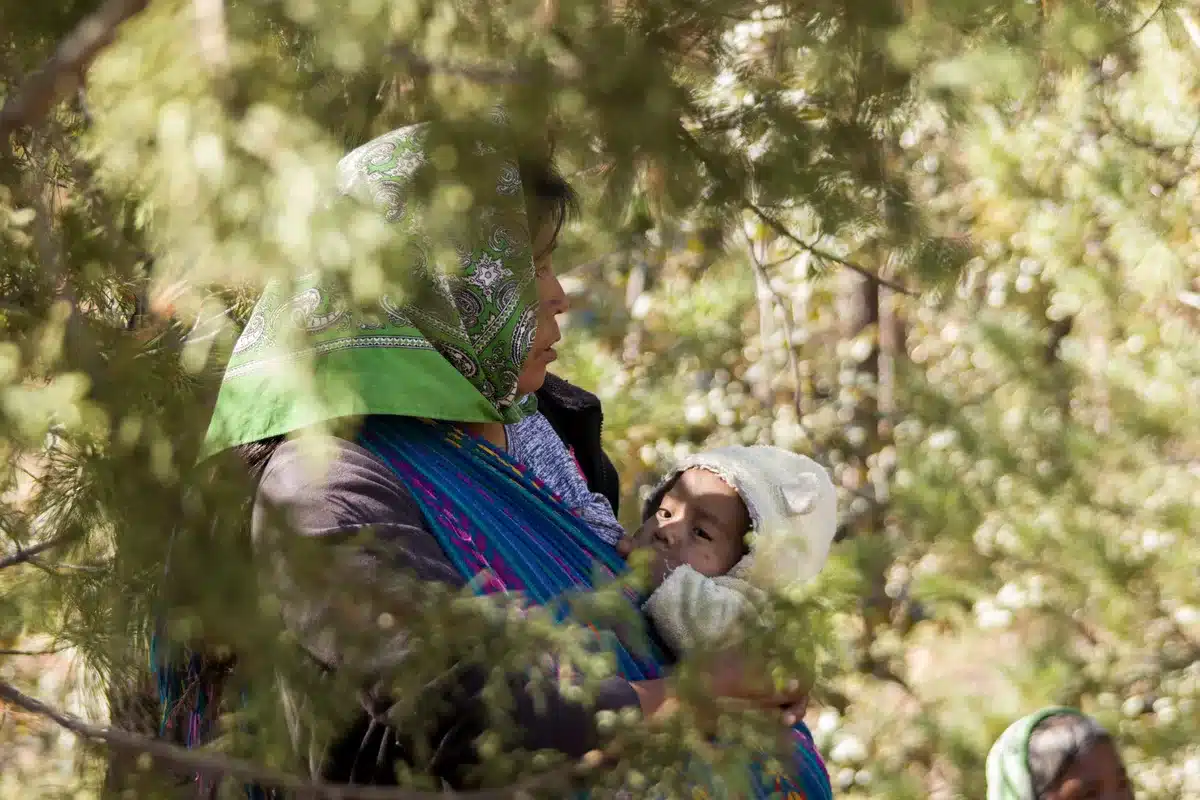
The core of the conflict lies in the expansion of cattle ranching operations into areas that have been the home of Indigenous groups for centuries. These communities depend on the forest not only for shelter but for their sustenance and cultural practices. However, the lure of economic gain from cattle sales has led to increased encroachments by ranchers into these protected lands.
Indigenous leaders have voiced their concerns, stating that the invasion of their territories by cattle ranchers disrupts their traditional lifestyles and leads to environmental degradation crucial to their survival. The situation is exacerbated by the fact that legal protections for Indigenous lands are often weakly enforced, allowing for continued ranching and farming activities on lands meant to be preserved.
Environmental and Social Implications
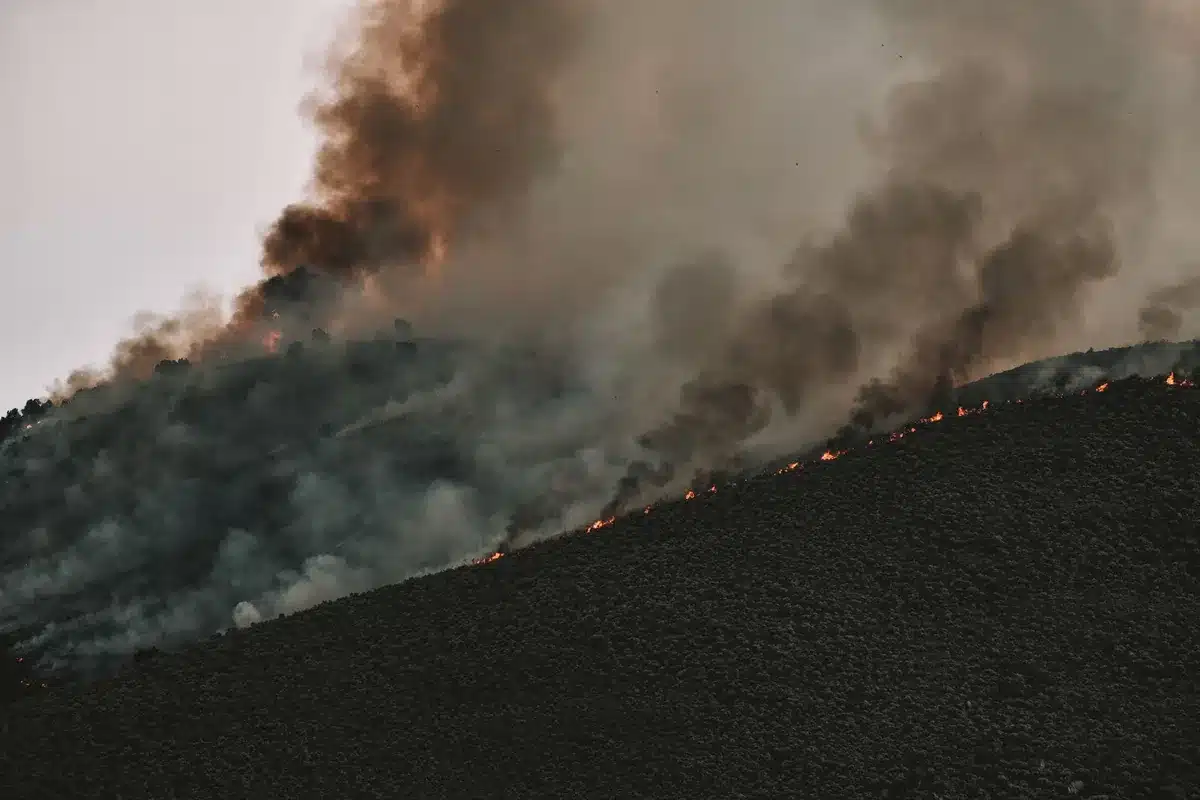
The implications of this conflict are both environmental and social. Environmentally, the expansion of cattle ranching contributes significantly to deforestation, which in turn affects global climate patterns and leads to loss of biodiversity. The deforestation linked to cattle ranching involves clearing vast areas of trees, which are often burned, releasing large amounts of carbon dioxide into the atmosphere.
Socially, the encroachment on Indigenous territories leads to tensions and sometimes violent conflicts. The displacement of Indigenous communities and the disruption of their cultural practices pose serious risks to their identities and heritage. Furthermore, the loss of forest means the loss of resources that Indigenous peoples rely on for medicinal, spiritual, and practical purposes.
Seeking Solutions
Addressing this conflict requires a multi-faceted approach. There is a pressing need for stronger enforcement of existing laws that protect Indigenous lands. Additionally, promoting sustainable agricultural practices among ranchers could alleviate some of the pressures on the rainforest.
Some advocate for more inclusive dialogue between Indigenous communities, government officials, and the agricultural sector to find common ground. Solutions could involve compensation for land use, stricter regulations on where and how ranching can occur, and greater support for Indigenous communities to maintain their way of life while adapting to changing environmental conditions.
As Brazil continues to balance its economic interests with environmental and social responsibilities, the plight of its Indigenous communities remains a poignant reminder of the ongoing struggles faced by native populations worldwide. Effective resolutions will require not only legal and political changes but a broader societal acknowledgment of the rights and values of Indigenous peoples.
Similar Posts:
- Brazil’s Soy Sector May Ditch Amazon Moratorium: Deforestation Threat Looms
- Indigenous Women in India Use ‘Dream Maps’ to Battle Climate Change: Protecting Their Lands
- Amazon Tribes to UN: Stop Organized Crime Without Militarizing Our Lands!
- Amazon Crisis Escalates: Key Legal Battles Hit Brazil’s Supreme Court After Lula’s Congressional Setbacks
- Indigenous Youth in Colombia Fight to Protect Land: Escaping Violence to Save Their Heritage

Morgan Ellis is an investigative journalist passionate about environmental policy and corporate accountability. With a background in climate science and years of reporting for nonprofit media, Morgan brings depth, clarity, and purpose to every story.