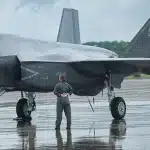
U.S. Army to Deploy Advanced Bell MV-75 Tiltrotor Sooner Than Expected
At the recent Army’s Senior Leader Sitrep town hall, which was streamed online, Chief of Staff Gen. Randy George revealed that the U.S. Army plans to introduce the Bell MV-75 tiltrotor aircraft earlier than initially planned. This aircraft, which was previously known as the Bell V-280 Valor, is noted for its superior aerial agility compared to traditional helicopters. Originally expected to be delivered in the 2031-2032 timeframe, the timeline has now been moved up, with the aircraft set to be operational by the end of this year.
Gen. George emphasized the urgent need for this advanced aircraft, stating, “We said, ‘No, we need it very quickly,’ and by the end of this year, they will indeed be airborne.” This announcement came during a discussion where George, alongside Secretary of the Army Dan Driscoll and Sergeant Major of the Army Michael Weimer, addressed priorities and fielded questions from service members.
The shift to expedite the delivery of the new helicopters is part of the Army’s broader effort to streamline its acquisition processes and quickly integrate cutting-edge technologies, explained George.
Adapting to Rapid Technological Advances
During his commentary, Gen. George referenced a recent trip to Ukraine, highlighting the rapid pace of technological change worldwide. He pointed out that the Army is actively reforming units for offensive drone warfare capabilities, similar to the new drone combat unit of the 10th Mountain Division. “Things are moving very rapidly. We can do the same thing, and I think we’re proving that 10th Mountain is one of those units. We have units all over the Army that are proving that,” he commented.
George also detailed the Army’s upcoming modernization initiatives, which include transitioning every infantry combat brigade team into a mobile brigade within the next year to 18 months. These brigades will be equipped with GM Defense’s new Infantry Squad Vehicle and next-generation squad weapons. “All of that is coming,” he assured.
Further, George announced upgrades to the Army’s combat aviation brigades, which will soon integrate larger unmanned aerial systems classified in Groups 3, 4, and 5, with Group 5 being comparable in size to a Reaper MQ-9 drone.
Encouraging Feedback on New Technologies
The Army is taking a proactive approach in gathering feedback directly from troops regarding the effectiveness of new technologies. This marks a shift from traditional top-down decision-making processes. “We want to give things to units and let you tell us what works, what doesn’t, and you guys should be the ones deciding what we buy,” George explained. This strategy will be particularly relevant to autonomous systems.
George underscored the importance of collaboration between engineers and service members to fine-tune new technologies based on field usage. “We’re going to be breaching with robots,” he stated. “We’re going to be doing things with autonomous systems, and we need your feedback on what will work and what doesn’t.” This hands-on approach aims to ensure that technological advancements align closely with the real-world needs of military personnel.
Similar Posts:
- US Army Shuts Down Experimental Drone Battalion in Europe: A Strategic Shift Revealed
- Army Boosts Air Defense Force by 30%: Strategic Expansion Amid Rising Threats
- Defense Secretary Cuts Top Brass: Streamlining Army with Major Reforms
- US Army’s Latest Feat: Resupply Drone Transformed into Rocket Launcher!
- Army’s Bold Plan: 1 Million Drones to be Deployed in Next 2-3 Years

Jamal Peterson reports on defense, aerospace, and tech policy. With a military background and a strategic mind, he dissects complex subjects with clarity, offering readers sharp, reliable insights.