MILAN — Over the past two months, there have been 14 reports of unidentified drone activities across various locations in Europe, with one recent incident occurring over a Belgian airbase known to accommodate U.S. tactical nuclear weapons alongside Belgium’s tactical fighter jets.
The Belgian Defense Minister, Theo Francken, disclosed that the Kleine Brogel airbase was specifically targeted by unknown drones on the nights of November 1st and 2nd. These drones operated in phases near the military site.
According to Francken, the initial phase involved small drones which were likely used to interfere with and test the radio frequencies used by national security forces. This was followed by the deployment of larger drones aimed at creating instability within the area and among the local populace, as explained in his interview with RTBF, a Belgian public broadcasting service.
Francken suggested that these operations could be espionage-related, though he refrained from speculating on the potential perpetrators, mentioning only that he had some suspicions.
While the U.S. government does not publicly confirm the specifics regarding the deployment of tactical nuclear weapons in Europe, the Center for Arms Control and Non-Proliferation estimates that at least 100 American nuclear weapons are stored across six bases in five NATO countries, including the Kleine Brogel site.
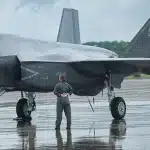
This base not only houses Belgium’s F-16 fighters but is also preparing to host the new F-35 jets, the first of which were delivered recently.
This latest occurrence is part of a broader pattern of drone sightings troubling several European nations since the onset of autumn. The most intense period of these incidents was recorded between September 20th and October 5th, primarily affecting Denmark, Norway, Germany, and Belgium.
Although the frequency of these sightings has decreased, recent weeks have seen continued drone activity, particularly in Belgium and Germany. These incidents predominantly took place near military and dual-use airfields along the northern boundaries of NATO.
The drones were mostly spotted at night, often flying in formation, which suggests coordinated efforts.
An analysis by the French Institute for International and Strategic Affairs suggests that the drone flights over Denmark might have been politically motivated, especially considering Denmark’s current role as the president of the EU Council, a position it will hold until the year’s end.
Similar Posts:
- Belgium Awaits Arrival of Advanced F-35 Jets This Fall: A Milestone in Military Upgrade
- US Considers Deploying Nukes in Poland, Baltic States: Alarming New Report Reveals
- Belgium Boosts Defense: Billions Spent on F-35 Jets and Anti-Air Systems
- Japan Sends Fighter Jets to NATO Bases: A Bold Move in Global Defense Strategy
- Germany May Use French, UK Nukes as Deterrent, Says Merz: A Bold Shift in Defense Strategy?

Jamal Peterson reports on defense, aerospace, and tech policy. With a military background and a strategic mind, he dissects complex subjects with clarity, offering readers sharp, reliable insights.