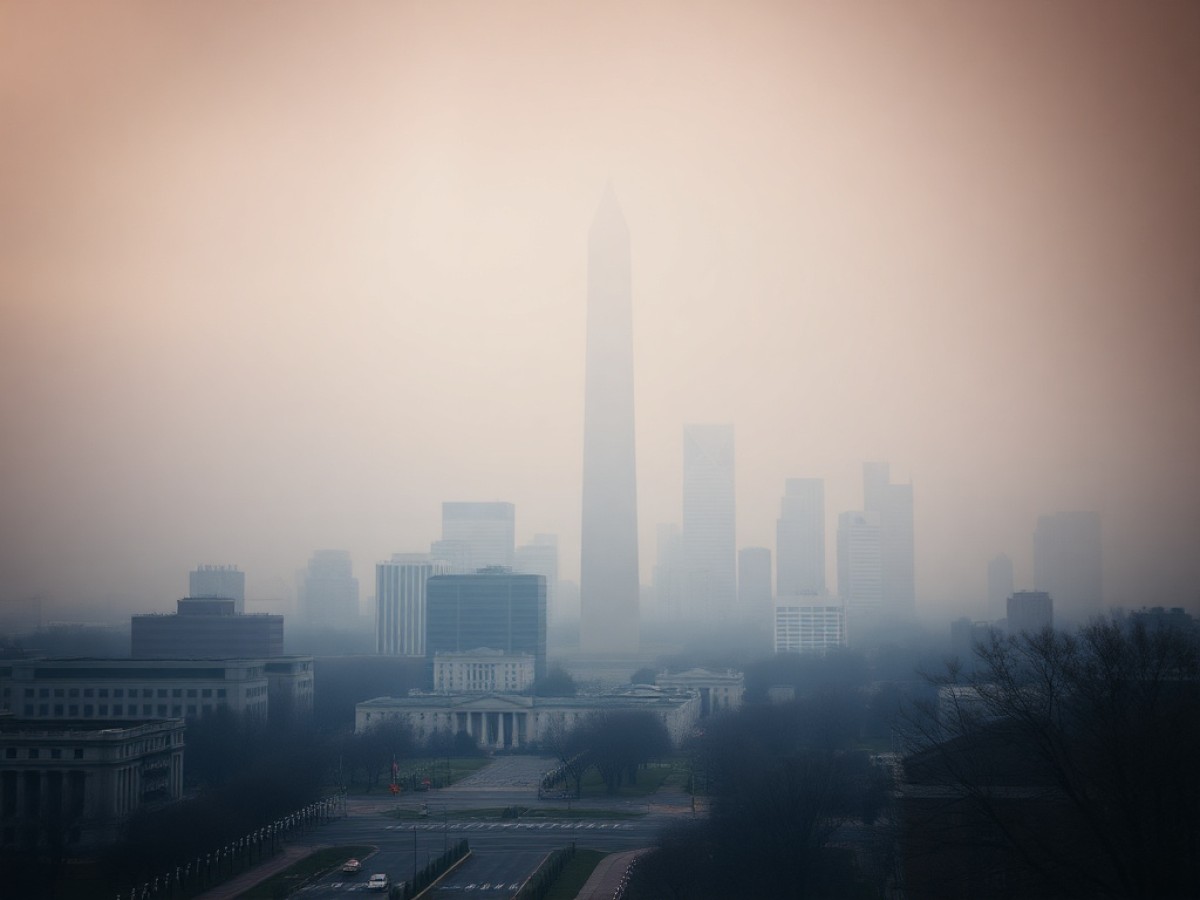
Smoke from Canadian and Minnesota Wildfires Spreads Across the US, Enveloping Washington DC in Smog
Smoke originating from wildfires in Canada and Minnesota has traveled extensively across the United States, recently shrouding Washington DC in a thick haze. This environmental phenomenon has resulted in a noticeable decline in air quality and visibility, affecting the daily life and health of residents.
Far-Reaching Impact of Wildfire Smoke
The wildfires, fueled by dry conditions and occasional winds, have been burning for several days, producing vast amounts of smoke. This smoke has not remained confined to the immediate vicinity of the fires. Instead, it has been carried by atmospheric currents across large distances, spreading its impact far from its source.
In the case of Washington DC, residents woke to a city blanketed in haze, a direct result of the smoke traveling from the northern regions. The air quality deteriorated rapidly, prompting local authorities to issue health advisories. People, especially those with respiratory conditions, were advised to stay indoors and limit their exposure to the smoky air.
Visibility and Air Quality Concerns
The smoke has not only affected air quality but also visibility. Landmarks that are typically clear and visible from a distance were obscured by the smoky veil, creating an eerie atmosphere in the capital. The reduced visibility has implications for transportation and outdoor activities, with many residents choosing to stay indoors to avoid the unhealthy air.
Local meteorologists have tracked the movement of the smoke, noting that such widespread air quality issues are becoming more common with the increase in frequency and intensity of wildfires. These fires are exacerbated by changing climate conditions, which include warmer temperatures and altered precipitation patterns, making the vegetation more susceptible to burning.
Responses to the Crisis
Government officials and health departments have been actively responding to the crisis by disseminating information and health warnings to the public. Air quality indexes have been closely monitored, with updates provided to keep the populace informed of the risks.
Moreover, the event has stirred discussions about broader environmental and health policies. There is a growing consensus on the necessity for more robust strategies to manage and mitigate the effects of wildfires, not only on a local scale but also nationally.
As the situation develops, the focus remains on safeguarding public health and preparing for potential future occurrences, which, according to experts, are likely to become more frequent in the face of ongoing climate change. Public awareness and preparedness are key elements in addressing these environmental challenges head-on.
Similar Posts:
- Wildfire Smoke Crisis: Unhealthy Air Spans from Midwest to East Coast, Stay Indoors!
- Thunderstorms to Sweep Away Wildfire Smoke Before World Cup Final: Meteorologists Forecast Clear Skies
- Wildfire Smoke Halts Pirates-Guardians Game: Poor Air Quality Forces Postponement!
- Wildfire Smoke Alert: Essential Tips to Guard Your Health and Breathe Easier
- Canada’s Wildfires Smother US: Republicans Call for Action, Reject Climate Change Solutions

Morgan Ellis is an investigative journalist passionate about environmental policy and corporate accountability. With a background in climate science and years of reporting for nonprofit media, Morgan brings depth, clarity, and purpose to every story.