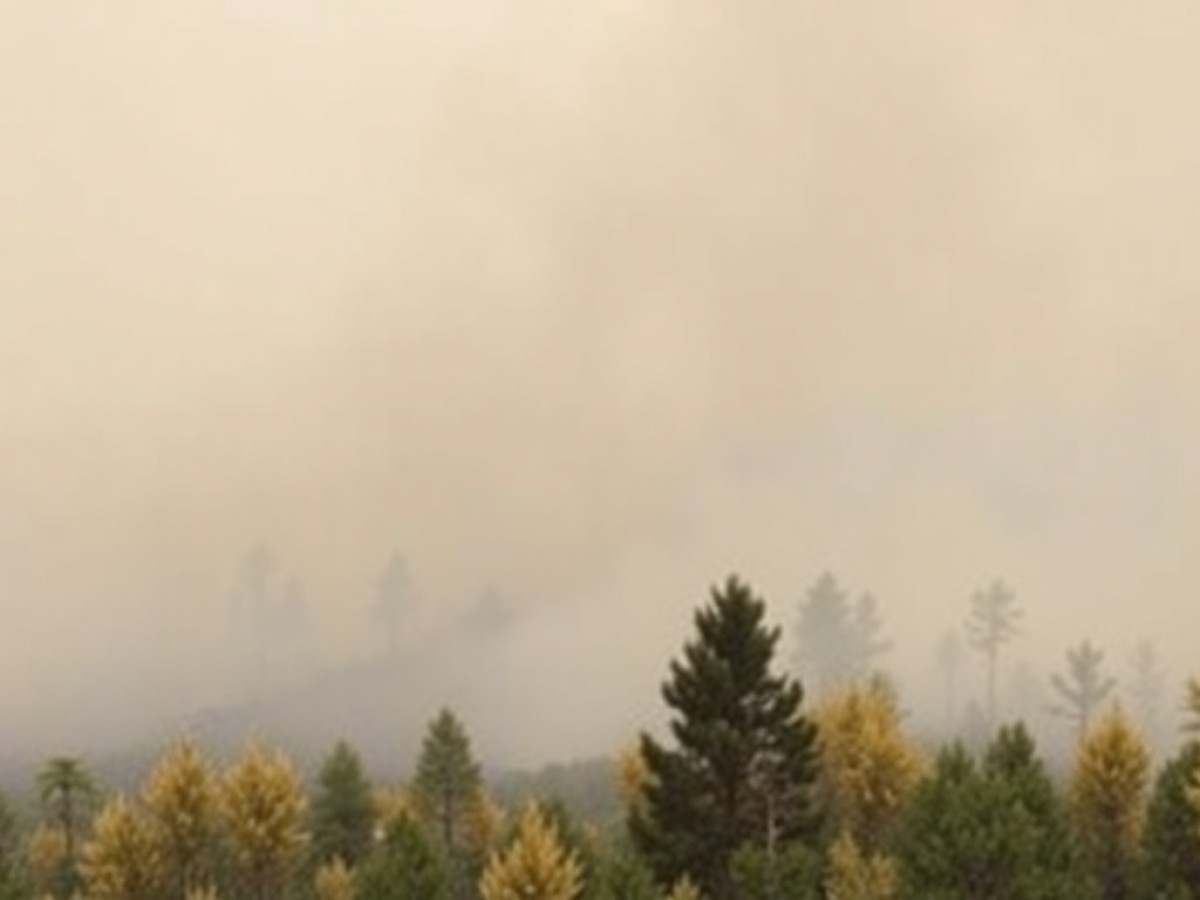
Guarding Against Harmful Air From Wildfires
Wildfires, a frequent occurrence in many parts of the world, can significantly impact air quality and pose serious health risks. The smoke produced by these fires consists of a mixture of gases and fine particles that can infiltrate deep into the lungs and even enter the bloodstream. Protecting yourself from this smoke is essential, especially if you live in an area prone to wildfires. Here are some effective strategies to help safeguard your health during such events.
Stay Informed About Air Quality
One of the first steps in protecting yourself from wildfire smoke is to stay updated on the air quality in your area. Various resources, such as local news outlets, environmental agencies, and online air quality indexes, provide timely updates on air pollution levels. Websites like AirNow.gov offer real-time air quality reports and forecasts. By keeping informed, you can make better decisions about when to stay indoors or limit outdoor activities.
Keep Indoor Air Clean
When the air quality is poor, staying indoors can help minimize your exposure to harmful particles. However, it’s crucial to keep the indoor air as clean as possible. Keep windows and doors closed to prevent smoke from entering your home. Use air purifiers with HEPA filters to capture fine particles in the air. Additionally, avoid activities that could worsen indoor pollution, such as smoking, burning candles, or frying food, which can all contribute to poorer air quality inside.
Use Masks Correctly
If you need to go outside, wearing a mask can provide some protection against inhaling smoke particles. Masks such as N95 respirators are designed to filter out fine particles effectively. However, they must fit properly to be effective. Ensure that the mask forms a tight seal around your nose and mouth and learn how to wear it correctly. Remember, surgical masks or cloth face coverings do not offer adequate protection against smoke particles.
Prepare Your Home
Preparing your home in advance can make a significant difference when wildfire smoke affects your area. Seal any gaps in doors and windows to prevent smoke from seeping in. If you have an air conditioning system, use it with the fresh air intake closed to keep the indoor air clean. Air filters should be rated MERV-13 or higher for optimal effectiveness against smoke particles. Regularly check and replace these filters to maintain indoor air quality.
Limit Exposure During High-risk Periods
Air quality can fluctuate throughout the day. Typically, air pollution from wildfires tends to be worse in the afternoon and evening. Limit your outdoor activities during these times when the air quality index (AQI) is particularly poor. Plan any necessary outings for the morning when the air is often clearer. Pay special attention to the needs of children, the elderly, and those with respiratory conditions, as they are more vulnerable to the effects of smoke.
Stay Hydrated and Maintain Overall Health
Staying hydrated is vital during wildfire seasons. Drinking plenty of water helps your kidneys flush out any contaminants that may have entered your body. Moreover, maintaining a healthy diet and getting adequate rest can support your immune system in combating the effects of smoke exposure.
By implementing these preventative measures, you can significantly reduce your risk of health problems associated with wildfire smoke. Always prioritize your safety by staying informed and prepared.
Similar Posts:
- Deadly Wildfire Smoke: How It Claims Thousands of Lives and Attacks the Body
- Michigan Revamps Air Quality Alert System: Prepares for Impending Wildfire Smoke Season
- Wildfire Smoke Crisis: Unhealthy Air Spans from Midwest to East Coast, Stay Indoors!
- Canadian Wildfires Blanket US Cities in Smoke: Haze Engulfs Washington DC
- Thunderstorms to Sweep Away Wildfire Smoke Before World Cup Final: Meteorologists Forecast Clear Skies

Morgan Ellis is an investigative journalist passionate about environmental policy and corporate accountability. With a background in climate science and years of reporting for nonprofit media, Morgan brings depth, clarity, and purpose to every story.