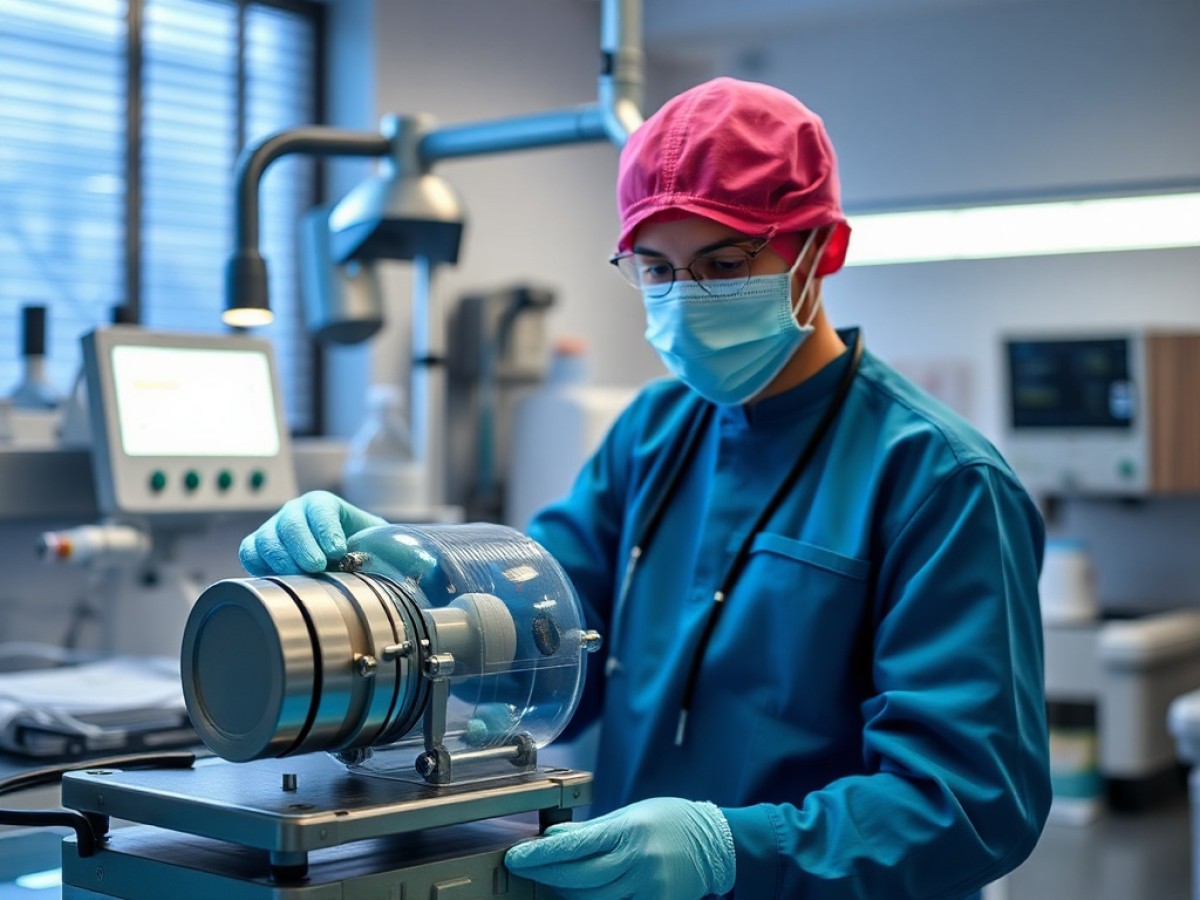
EPA Proposes Relaxed Standards for Chemical Utilized in Medical Equipment Sterilization
In a recent shift in environmental policy, the Environmental Protection Agency (EPA) is proposing to ease the regulatory limits on a chemical commonly employed in the sterilization of medical devices. This move has sparked a variety of responses from different sectors concerning public health and industrial regulation.
Background on the Regulatory Changes
The chemical in question, ethylene oxide, is primarily used for sterilizing medical and pharmaceutical products. It is recognized for its effectiveness in eliminating bacteria and other pathogens that can not be removed through other processes. However, ethylene oxide is also classified as a carcinogen, raising significant concerns about its impact on human health when released into the environment.
The EPA’s new proposal suggests modifying the existing rules to allow higher emissions of ethylene oxide for facilities that sterilize medical equipment. This decision follows a period of stringent scrutiny and tighter controls over the past few years, where the EPA aimed to reduce the risks associated with ethylene oxide emissions.
Implications for Public Health and Industry
Industry representatives have welcomed the EPA’s recent initiative, arguing that the previous limits were excessively restrictive and hindered the operational capacity of sterilization facilities. They contend that the new rule will help maintain the essential flow of sterile medical products, which are crucial for healthcare services, especially in times of high demand.
On the other hand, environmental and health advocacy groups have expressed deep concerns over the proposal. They argue that relaxing the limits on ethylene oxide emissions could increase the risk of cancer and other health issues among populations living near sterilization plants. These groups advocate for maintaining or even strengthening the current regulations to protect community health.
Looking Forward
As the proposal moves into the public commentary phase, stakeholders from various sectors, including industry, health, and environmental advocacy, are expected to present their viewpoints. The EPA will review these insights as part of the decision-making process on whether to implement the revised standards.
This development underscores the ongoing debate between ensuring public health safety and supporting industrial and economic activity. The outcome of this proposal will have significant implications not only for the communities near sterilization facilities but also for the broader regulatory approach towards managing toxic substances.
Similar Posts:
- EPA Considers Loosening Chemical Plastic Recycling Rules: Environmentalists Express Concerns
- Emissions Drop When Reported: EPA Plans to Halt Corporate Disclosure Requirements
- Shocking Report Reveals: Pittsburgh Coke Plant’s Pollution and Safety Nightmares!
- Trump’s EPA Rule Changes: Key Insights from AP Exam on Benefits and Costs
- Trump’s EPA Rollbacks: Could Cost Billions and Risk Thousands of Lives!

Morgan Ellis is an investigative journalist passionate about environmental policy and corporate accountability. With a background in climate science and years of reporting for nonprofit media, Morgan brings depth, clarity, and purpose to every story.