BERLIN — Last year, the European Union shattered previous records by spending €343 billion ($402 billion) on defense, according to a recent analysis from the European Defense Agency. This expenditure surpassed earlier forecasts and established a new high.
The agency anticipates that defense spending will continue to rise, projecting an increase to €381 billion ($446 billion) by 2025.
Comparative Defense Spending
In 2024, the EU’s defense budget was approximately one and a half times larger than that of China and more than triple that of Russia’s military budget. The only country with a higher defense budget was the United States. The spending accounted for 1.9% of the EU’s GDP, marking a 19% rise from the previous year.
Drivers of Increased Defense Spending
The surge in defense expenditures across the EU primarily stems from significant investments in new equipment and heightened funding for research and development among the 27 member states. These expenses are collectively termed “defense investments,” differentiating them from costs related to troop wages or maintenance of facilities.
Investments constituted 31% of the total defense spending, amounting to €106 billion ($124 billion), with €13 billion ($15 billion) allocated to research and development alone. The agency reported a 39% increase in equipment purchases and a 20% growth in R&D funding year over year.
Budget Trends Across the EU
This record level of spending reflects broad budget increases across the EU, not solely the ambitions of individual national capitals to expand their military capabilities. In 2024, all but two member countries raised their defense budgets. Among the 25 nations that increased their spending in 2025, 16 had already boosted their expenditures by over 10% in 2024 compared to 2023. Notable among them were Germany, Poland, Spain, Sweden, and the Netherlands. Only Portugal and Ireland reduced their military budgets in 2024.
Historical Context of Spending
European military spending has seen a rapid increase since 2014, following Russia’s annexation of Crimea from Ukraine. At that time, defense spending across the EU had dipped to its lowest since records began in 2005, at €189 billion ($221 billion), adjusted for inflation. The escalation of Russia’s military actions in Ukraine, especially the full-scale assault that began in February 2022, significantly accelerated this spending trend.
Indeed, last year’s defense expenditure grew faster than anticipated, surpassing the agency’s late 2023 forecasts by €17 billion ($20 billion).
Geographical Distribution of Defense Spending
Many of the EU’s top defense spenders are situated close to Russia. Poland led these nations, dedicating close to 4% of its GDP to military spending last year. Estonia, Latvia, and Lithuania also allocated well over 3% of their GDP to defense.
EU’s Role and Defense Strategy
The EU has increasingly taken an active role in coordinating cross-national defense projects and channeling funds previously earmarked for civilian purposes towards military use. Traditionally, defense has been a closely guarded national issue among EU countries. However, recent threats from Russia and strained relations with the United States have somewhat softened these nationalistic stances, aided by favorable financial conditions promoted by Brussels.
Comparison with U.S. Military Capabilities
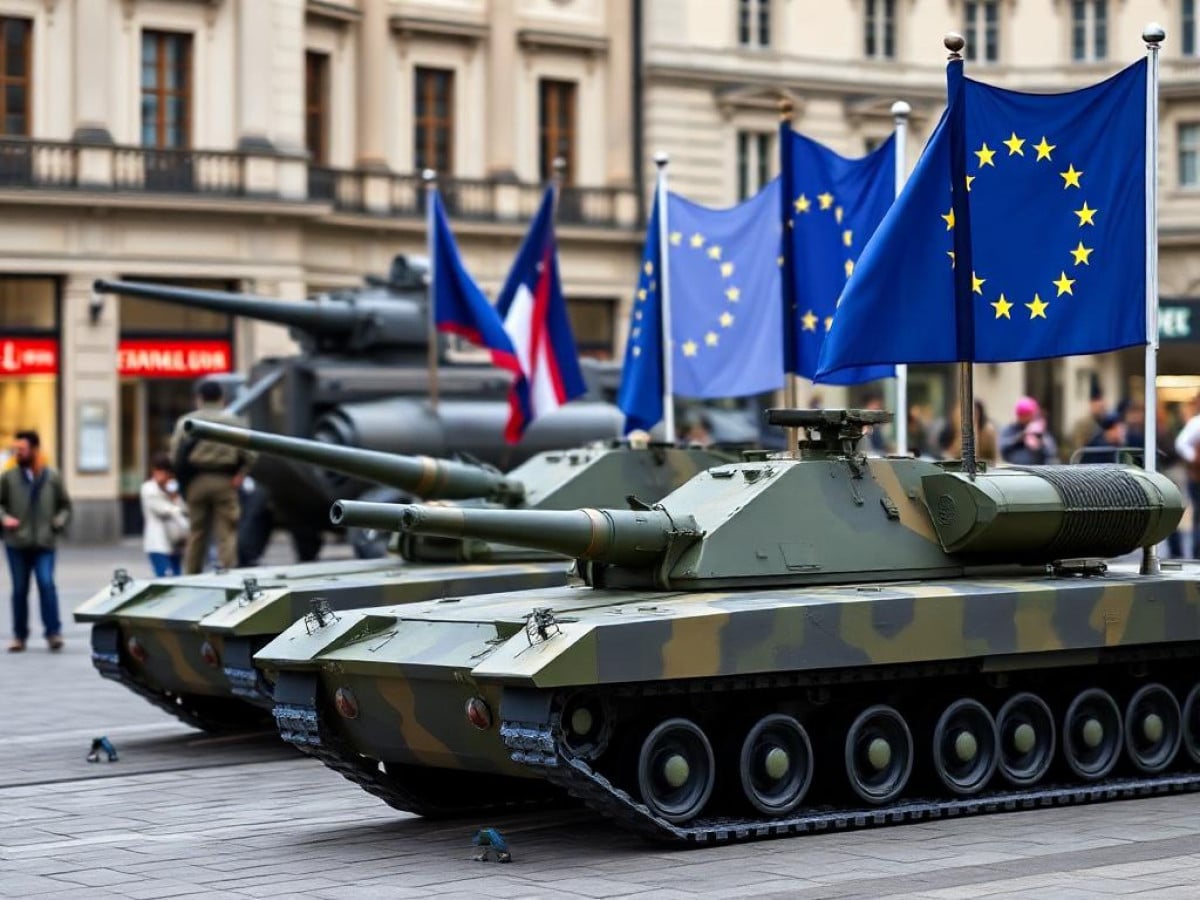
The 2025 edition of the agency’s annual report highlighted a comparative analysis of European and U.S. military capabilities, including the count of battle tanks and fighter jets, as well as the efficacy of their R&D investments. The findings indicated that while the EU trails behind in air force capabilities, it surpasses the U.S. in the number of infantry fighting vehicles and main battle tanks.
Emphasis on Cooperation
The strength of Europe in defense matters lies in its ability to cooperate across national borders, as noted in the EDA’s report. It stressed the importance of coordination in procurement, interoperability, and joint research and development.
“Europe is spending record amounts on defense to keep our people safe, and we will not stop there,” stated Kaja Kallas, the European Union’s foreign policy chief. “Defense today is not a nice-to-have but fundamental for the protection of our citizens. This must be the era of European defense.”
Similar Posts:
- Italy’s Bold Move: Plans to Unlock €12 Billion for Defense Spending Unveiled!
- Investors Eye Defense Sector: Discover Why It’s the Next Big Thing!
- New Zealand’s Budget Boost: Cargo Planes, Helicopters, Javelins on Shopping List
- Pentagon Endorses Europe’s Defense Spending Strategy: Boosting Local Military Investments!
- Italy Blocks US Arms Deal for Ukraine: Aid Scheme Rejection Sparks Debate

Jamal Peterson reports on defense, aerospace, and tech policy. With a military background and a strategic mind, he dissects complex subjects with clarity, offering readers sharp, reliable insights.