Germany Unveils Comprehensive Military Reform Plans
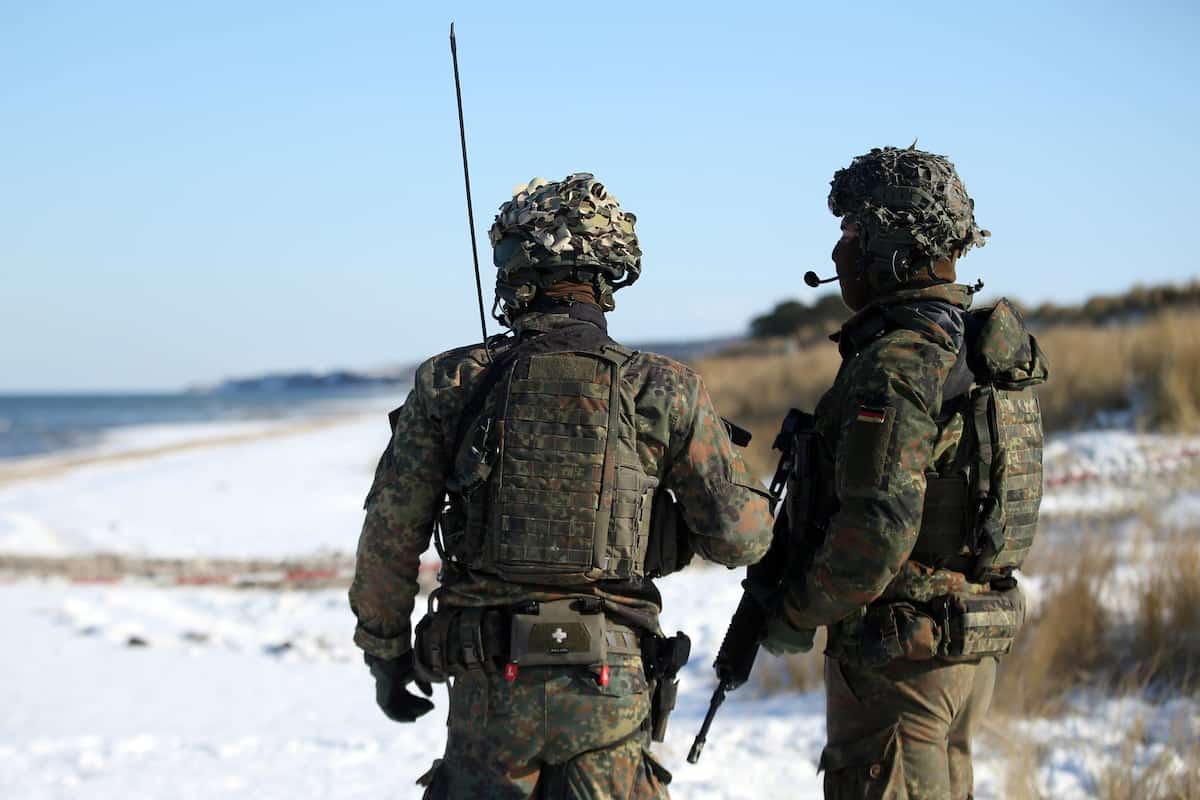
On Wednesday, Germany introduced a significant set of new strategic guidelines for its military, marking the most extensive revision in decades. The documents released include the nation’s first independent military strategy, a new capability profile, a plan for personnel expansion, and an updated strategy for reservists.
Defense Minister Boris Pistorius initially announced these plans at the annual military conference in November, describing them as a pivotal moment in history. This week, defense officials presented the completed plans to parliament members and shared unclassified details during a press conference in Berlin on April 22.
Pistorius emphasized the critical nature of these strategies at this point in history. The classified documents, which are expected to guide the Bundeswehr’s strategy for the next two decades, are described as dynamic, with provisions for regular updates.
Strategic Shifts and New Threat Perceptions
The military strategy document, titled “Verantwortung für Europa” (Responsibility for Europe), identifies Russia as the primary threat and outlines possible scenarios involving attacks on NATO territories. Pistorius humorously noted the sensitive nature of these assessments, joking about not wanting to share them openly to avoid alerting Russian President Vladimir Putin. This strategy introduces a unified theater approach, where NATO territory, the Middle East, and the Indo-Pacific are viewed as a single interconnected security zone.
The accompanying capability profile represents a departure from traditional fixed equipment counts, like the number of tanks or aircraft. Instead, it focuses on the desired strategic outcomes, such as precision strikes, air defense against hypersonic missiles, and enhanced drone capabilities. Pistorius pointed out that Germany is starting anew with its long-range strike capabilities.
Expanding Military Personnel and Reservist Strategy
The personnel expansion plan aims to increase the number of active-duty soldiers from 185,420 today to 260,000 by the mid-2030s, with reservist numbers also expected to rise from about 60,000 to at least 200,000. This would bring the total strength to approximately 460,000 combat-ready personnel. The growth strategy is set to unfold in three phases: an initial rapid increase by 2029, followed by a focus on capability expansion until 2035, and finally a phase centered on technological advancements from 2039 onwards. New laws effective from January 2026 solidify these targets, with conscription remaining a contingency option.
Nicole Schilling, the deputy inspector-general of the military, reported that recruitment is currently exceeding expectations, with a 10% increase over the previous year and a 20% rise in applications.
The Bundeswehr aims to become the foremost conventional military power in Europe by 2039. Additionally, the reserve forces, which were previously considered a backup, are now being fully integrated into the active military framework. This includes a new focus on homeland defense and logistical support for allied forces.
Modernization and Efficiency Initiatives
The reform package is rounded off with a plan called Entbürokratisierungs- und Modernisierungsagenda 2026 (EMA26), which includes 153 specific actions and 580 steps to reduce bureaucracy, enhance digital processes, and integrate artificial intelligence in routine administrative tasks. A notable feature of the plan is the introduction of expiry dates for all internal regulations to ensure continuous updating.
Pistorius acknowledged potential challenges to these ambitious plans, citing increased demand from the Middle East for air defense systems as an example of factors that could affect global supply chains. Despite financial allocations and procurement processes being activated, he admitted, “We don’t control all the variables.”
Similar Posts:
- Germany Considers More F-35s After FCAS Project Fails: Exploring Future Defense Strategies
- Germany Unveils Advanced Sub-Hunting Plane: Operations Set for Norway and Iceland
- Belgium Boosts Defense: Billions Spent on F-35 Jets and Anti-Air Systems
- Pentagon Endorses Europe’s Defense Spending Strategy: Boosting Local Military Investments!
- Israel Begins Final Phase: Arrow-3 Missile Shield Delivery to Germany Imminent

Jamal Peterson reports on defense, aerospace, and tech policy. With a military background and a strategic mind, he dissects complex subjects with clarity, offering readers sharp, reliable insights.