Local Communities Form Patrol Groups in Response to Increasing Illegal Gold Mining in Ghana
In Ghana, a surge in unauthorized gold mining activities has prompted local residents to form community patrols. This grassroots movement aims to protect their environment and way of life from the adverse effects caused by these illegal operations.
The Rise of Illegal Mining Activities
Ghana, known for its rich gold reserves, has seen a significant increase in illegal mining operations that not only threaten the ecological balance but also the socioeconomic stability of the affected areas. These illicit activities involve local citizens as well as foreign nationals, who often use heavy machinery that causes extensive damage to the environment. The destruction includes deforestation, soil erosion, and pollution of water bodies with toxic chemicals like mercury and cyanide.
Impact on Local Communities
The consequences of unauthorized mining are far-reaching for the local communities. Apart from the environmental degradation, which affects agriculture and access to clean water, there is a social dimension to the crisis. The influx of outsiders and the chaotic nature of boomtowns contribute to increased crime rates and social unrest. Furthermore, the promise of quick wealth leads many young people to drop out of school, seeking fortune in the mines, which more often than not, results in disappointment and exacerbates poverty in the region.
Formation of Community Patrols
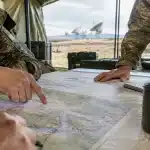
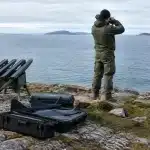
In response to these challenges, residents of affected communities have started to organize themselves into patrol groups. These groups are made up of volunteers who monitor and report activities related to illegal mining in their areas. Their primary goal is to deter these operations by increasing surveillance and holding those involved accountable.
These community patrols also work in collaboration with local authorities to strengthen their efforts. However, they often find themselves at risk of confrontation and retaliation from the miners and their backers, who are usually powerful individuals with significant influence.
The Role of Government and International Bodies
The Ghanaian government, aware of the severity of the issue, has made attempts to regulate the mining sector and curb illegal activities. However, enforcement is challenging due to the vastness of the affected areas and the sophistication of the operations involved. International bodies and environmental groups have also stepped in, providing support to local initiatives and advocating for sustainable mining practices.
Despite these efforts, the battle against illegal mining is ongoing. Community patrols continue to play a crucial role in this fight, highlighting the importance of grassroots involvement in addressing complex environmental and social issues. Their determination to protect their communities is a testament to the resilience and solidarity of the people affected by illegal gold mining in Ghana.
Similar Posts:
- Mercury Crisis in Senegal: Toxic Gold Mining Poisons Locals!
- Colombia Crisis: Indigenous Groups Stand Against Guerrillas Forcing Child Recruitment
- Peru Escalates Battle Against Illegal Gold Mining: Amazon Reserve Under Threat!
- Women Rangers in Indonesia: Brave Patrols Combat Deforestation!
- Amazon Tribes to UN: Stop Organized Crime Without Militarizing Our Lands!

Morgan Ellis is an investigative journalist passionate about environmental policy and corporate accountability. With a background in climate science and years of reporting for nonprofit media, Morgan brings depth, clarity, and purpose to every story.