Guyana Confronts Venezuela Over Border Shooting Amid Dispute Over Resource-Rich Area
Guyana has officially addressed Venezuela regarding an incident involving gunfire at their shared border, highlighting ongoing tensions as both nations contest a region abundant in energy resources. The confrontation is centered around the Essequibo area, a territory rich in oil and other natural resources, which has been a point of contention between the two South American countries for decades.
Details of the Incident
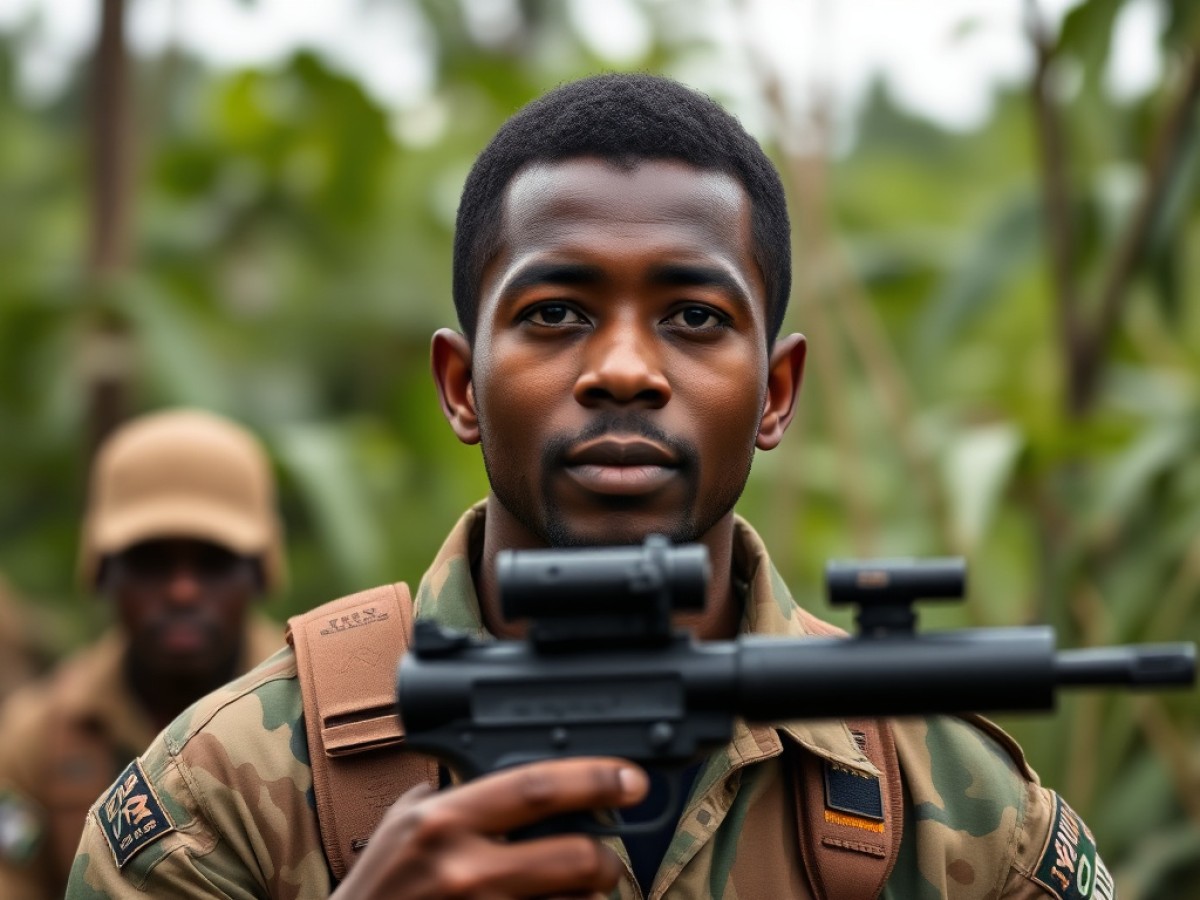
The recent incident occurred when a Guyanese fishing boat operating within the disputed waters was subjected to gunfire from the Venezuelan side. Fortunately, there were no casualties reported. However, the event has escalated tensions, prompting Guyana to demand explanations and assurances from Venezuela to prevent any future occurrences.
Historical Context of the Dispute
The contention over the Essequibo region dates back to the colonial era when it was left unresolved by the Spanish and later British colonizers. The area spans approximately 160,000 square kilometers and is believed to possess vast reserves of oil and minerals, making it highly valuable to both nations.
In an attempt to resolve the dispute, a significant ruling was made by an international tribunal in 1899, which declared the region as part of Guyana. However, Venezuela has consistently contested this ruling, claiming that the area rightfully belongs to them due to historical and geographical reasons.
International Impact and Mediation
The continuous disagreement over the territory has drawn attention from the international community, particularly after significant offshore oil discoveries were made near the disputed area in recent years. These discoveries have the potential to transform Guyana’s economy and have attracted interest from global energy companies.
Efforts to mediate the conflict have been ongoing, with the involvement of international bodies such as the United Nations. In 2018, the dispute was referred to the International Court of Justice (ICJ), although Venezuela has expressed reservations about the ICJ’s jurisdiction over the matter.
Future Prospects
As both nations continue to assert their claims over the Essequibo region, the international community remains watchful. The resolution of this long-standing border dispute is crucial not only for the stability of Guyana and Venezuela but also for the security and economic development of the broader Latin American region.
Guyana’s government has reaffirmed its commitment to a peaceful resolution through international legal mechanisms, emphasizing the importance of dialogue and respect for international laws and treaties. Meanwhile, the recent border incident has underscored the fragility of the situation and the urgent need for a lasting solution to the dispute.
Similar Posts:
- Breaking News: 32 Cuban Officers Killed in US Venezuela Operation: Tensions Escalate!
- Iran Conflict Shakes Up Southeast Asia Energy: IEA Report Highlights Urgent Wake-Up Call
- China Outraged by US Army’s Typhon Missile Deployment in Japan: Tensions Escalate
- Russian Cargo Plane Touches Down in Caracas: Tensions Rise with US
- China Unveils Advanced Warship: Bolsters Military Presence in South Pacific

Morgan Ellis is an investigative journalist passionate about environmental policy and corporate accountability. With a background in climate science and years of reporting for nonprofit media, Morgan brings depth, clarity, and purpose to every story.