A Call to Action for Southeast Asia’s Energy Sector, According to IEA Report
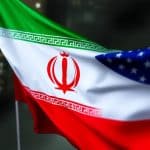
The conflict involving Iran has sent a strong message to the energy sectors across Southeast Asia, according to a recent report by the International Energy Agency (IEA). The report emphasizes the urgent need for these regions to reassess and strengthen their energy security strategies in light of potential global oil supply disruptions.
Understanding the Immediate Risks
The report highlights how the current geopolitical tensions involving Iran could lead to significant issues for Southeast Asia, a region heavily reliant on oil imports. With the Strait of Hormuz being a strategic chokepoint for global oil shipments, any disruption could have severe implications for energy supply in these countries. The Strait sees about a fifth of the world’s oil pass through, much of it destined for Asian markets.
Rethinking Energy Strategies
The IEA report suggests that Southeast Asian countries need to consider diversifying their energy sources and increasing their strategic petroleum reserves. This approach could help mitigate the risks associated with supply disruptions. Additionally, the adoption of alternative energy sources such as renewables could reduce dependency on oil imports.
Investing in renewable energy technologies not only aligns with global environmental goals but also enhances energy security. The report points out that the current situation should serve as a catalyst for Southeast Asia to accelerate its energy transition efforts.
Long-Term Implications and Recommendations
The IEA advises that beyond immediate measures, Southeast Asian nations should also plan for long-term energy sustainability. This includes investing in infrastructure that supports the integration of different energy sources and enhancing regional cooperation to ensure a stable energy supply.
The report calls for increased collaboration among ASEAN countries to build a more resilient energy network. By working together, these countries can better manage future risks and ensure a more stable energy supply for the region.
Conclusion
The situation in Iran underscores the vulnerability of Southeast Asia’s energy sector to global geopolitical shifts. The IEA’s report serves as a crucial reminder of the need for strategic planning and immediate action to safeguard energy security in the region. By diversifying energy sources and enhancing cooperation, Southeast Asia can better protect itself against future disruptions and move towards a more sustainable and secure energy future.
Similar Posts:
- War in Iran Sparks Solar Sales Surge: Asia Turns to Renewables Amid Energy Crisis
- Iran Conflict Sparks Energy Crisis: Asia Turns to Ethanol, Biofuels Amidst Fuel Shortage
- Thailand’s Shift to China: How It Strains US Alliance, Tests Treaty Boundaries
- Future Energy Crisis Alert: Global Report Urges Diverse, Resilient Production Methods
- Gulf Investors Continue Funding Africa’s Renewable Energy: Impact of Iran War Unlikely

Morgan Ellis is an investigative journalist passionate about environmental policy and corporate accountability. With a background in climate science and years of reporting for nonprofit media, Morgan brings depth, clarity, and purpose to every story.