Temperature Increases Impact Workers in Indian Textile Mills, Mitigation Through Cooling Technology
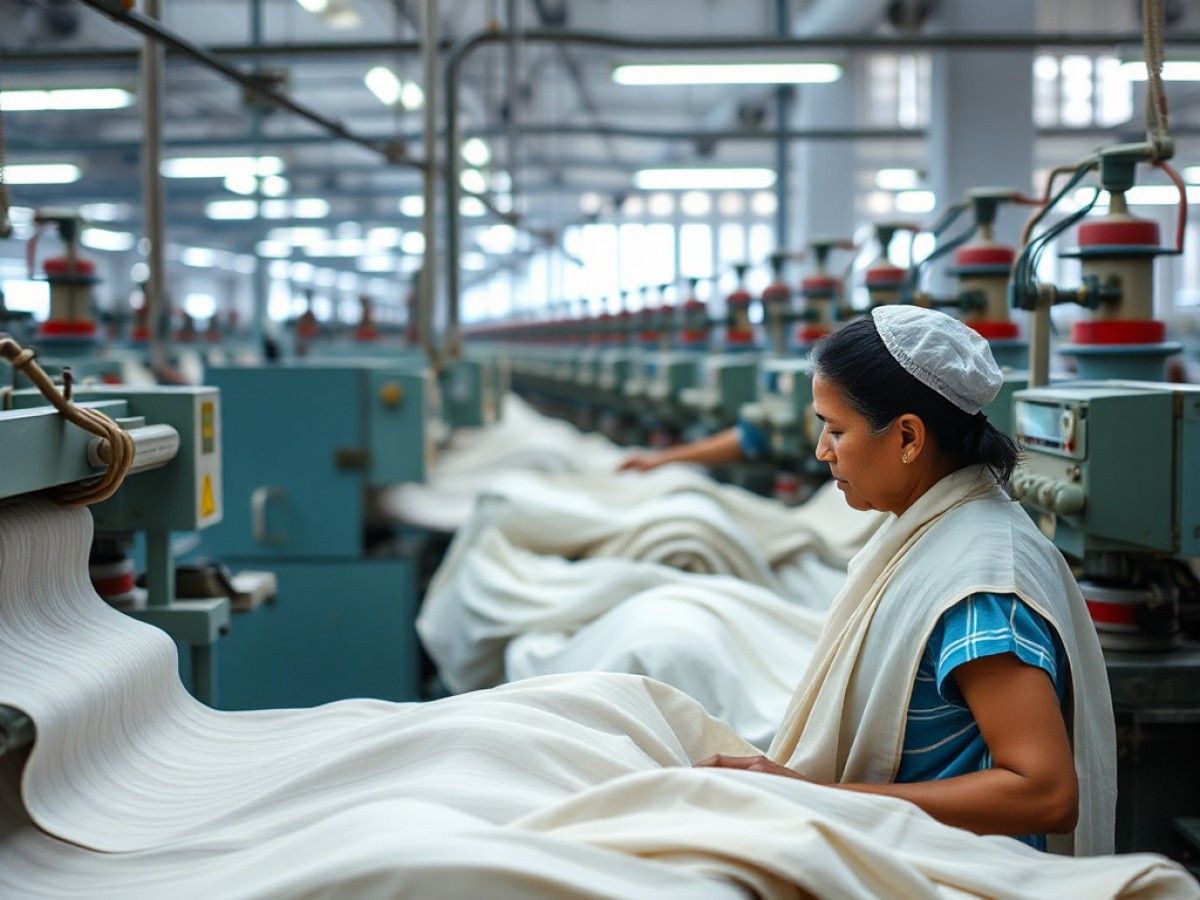
In India, the rising temperatures due to climate change are significantly affecting workers in the textile industry. These factories, often characterized by their stifling heat, pose a major challenge to the health and productivity of the labor force. However, the implementation of cooling systems and improved ventilation is showing promise in alleviating these harsh conditions.
The Plight of Factory Workers
The workers in India’s textile factories are finding it increasingly difficult to cope with the excessive heat, which not only impairs their physical health but also diminishes their working capacity. The relentless heat is particularly oppressive in regions where temperatures soar dramatically during certain times of the year. This can lead to a range of heat-related illnesses, which can severely impact the overall well-being of the workers.
Adapting to Rising Temperatures
Recognizing the urgent need to address these challenging working conditions, some factory owners have started to equip their facilities with air coolers and enhanced ventilation systems. These improvements aim to create a more bearable and safer working environment. By lowering the temperature inside the factories, these cooling solutions help in reducing the risk of heat exhaustion among workers, thereby improving their comfort and efficiency.
The use of such cooling technologies not only benefits the workers by providing them with relief from the heat but also enhances their productivity, which is often compromised in extreme temperatures. Moreover, better air circulation helps in maintaining good air quality, further contributing to the health and safety of the workforce.
Continued Efforts and Future Directions
While the introduction of air coolers and better ventilation systems is a positive development, continuous efforts are needed to further improve working conditions in India’s textile factories. As global temperatures continue to rise, it becomes increasingly important to implement sustainable and effective solutions to protect workers from the detrimental effects of heat.
Investing in modern, energy-efficient cooling technologies and designing factories to be more climate-resilient are critical steps towards ensuring the health and productivity of workers. Additionally, training programs on heat stress management and the provision of regular health check-ups can also play a vital role in safeguarding the workforce.
The move towards cooling and ventilating factories not only reflects a shift towards more humane working conditions but also highlights the need for industries to adapt to the changing climate. By taking proactive measures, the textile industry in India can better protect its workers while continuing to thrive in a warming world.
Similar Posts:
- India’s Garbage Pickers Struggle: Extreme Heat Worsens Already Perilous Job Conditions
- Climate Crisis Impacts Marathons: New Strategies to Keep Runners Cool!
- Scorching Heat Targets Eastern US: Nature Turns Up the Temperature!
- Greece Enforces Work Breaks Amid Searing Heat Wave: How the Nation is Coping
- Bees Battle Climate Change: Researchers Fear for Their Future Survival

Morgan Ellis is an investigative journalist passionate about environmental policy and corporate accountability. With a background in climate science and years of reporting for nonprofit media, Morgan brings depth, clarity, and purpose to every story.