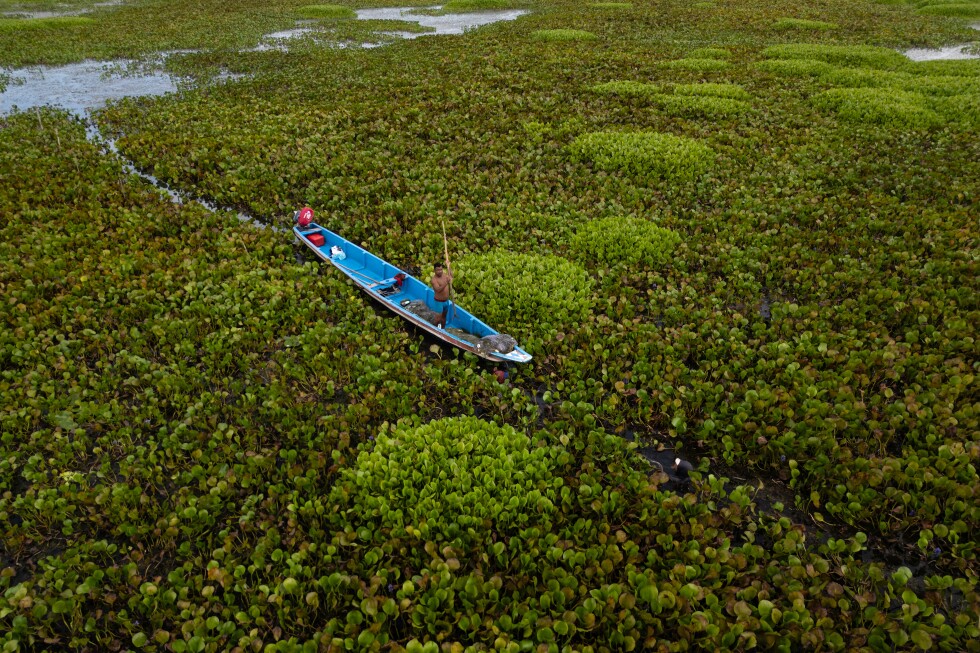
An Invasive Species Endangers Colombia’s Largest Coastal Marsh
In the extensive coastal wetland of Colombia, known as Ciénaga Grande de Santa Marta, local communities are facing a significant threat from an invasive plant species that is jeopardizing their way of life. This region, vital for its biodiversity and economic activity, is now at risk due to the uncontrolled spread of an alien flora.
The Impact on Local Economies
The Ciénaga Grande de Santa Marta is not only a crucial habitat for wildlife but also supports the livelihoods of many local residents. These communities rely heavily on the natural resources of the wetland for fishing and traditional practices that date back generations. However, the invasive plant species is altering the landscape dramatically. It is disrupting the local ecosystem, leading to severe consequences for the people who depend on these waters for their daily subsistence.
Fish populations, which are a primary source of income for local fishermen, are declining due to the changing conditions caused by the invasive plant. The plant’s rapid growth and spread are suffocating native vegetation and altering the water quality, making the environment less hospitable for the fish species that inhabit these waters.
Challenges in Controlling the Invasion
Efforts to manage and control the spread of the invasive species have been met with numerous challenges. The plant’s ability to grow quickly and adapt to varying conditions makes it difficult to eradicate. Moreover, limited resources and logistical constraints hinder the effectiveness of management strategies implemented by local authorities and environmental organizations.
Community leaders and environmental experts are calling for a coordinated response to address this pressing issue. This includes increased funding for research to understand the full impact of the invasion and to develop effective methods to control or eliminate the invasive species.
The Way Forward
The situation in Ciénaga Grande de Santa Marta highlights the broader issue of invasive species and their potential to disrupt ecosystems worldwide. It underscores the need for comprehensive strategies that include prevention, early detection, rapid response, and public education to mitigate the impacts of such invasions.
For the communities dependent on the Ciénaga Grande de Santa Marta, the resolution of this crisis is crucial. Their economic stability and cultural heritage are intricately tied to the health of the wetland. As such, both local and global support is essential to preserve the livelihoods of these communities and the ecological integrity of this vital wetland area.
In conclusion, the invasion of the aggressive plant in Colombia’s largest coastal wetland serves as a stark reminder of the vulnerability of natural ecosystems and the complex challenges involved in protecting them. Immediate action and collaboration are imperative to safeguard the future of the Ciénaga Grande de Santa Marta and its inhabitants.
Similar Posts:
- Revolutionary Wetland Restoration: Retired Cranberry Bog Transforms Environmental Tactics!
- Coastal Crisis: Louisiana’s Huge Restoration Project in Jeopardy Over Hidden Report Claims
- New Orleans Marsh Shields 1.5 Million Lives: Louisiana’s Plan to Save Vital Barrier
- Colombia Crisis: Indigenous Groups Stand Against Guerrillas Forcing Child Recruitment
- Deadly Disease Hits Largest Elk Herd: Urgent Talks to Reduce Numbers!

Morgan Ellis is an investigative journalist passionate about environmental policy and corporate accountability. With a background in climate science and years of reporting for nonprofit media, Morgan brings depth, clarity, and purpose to every story.