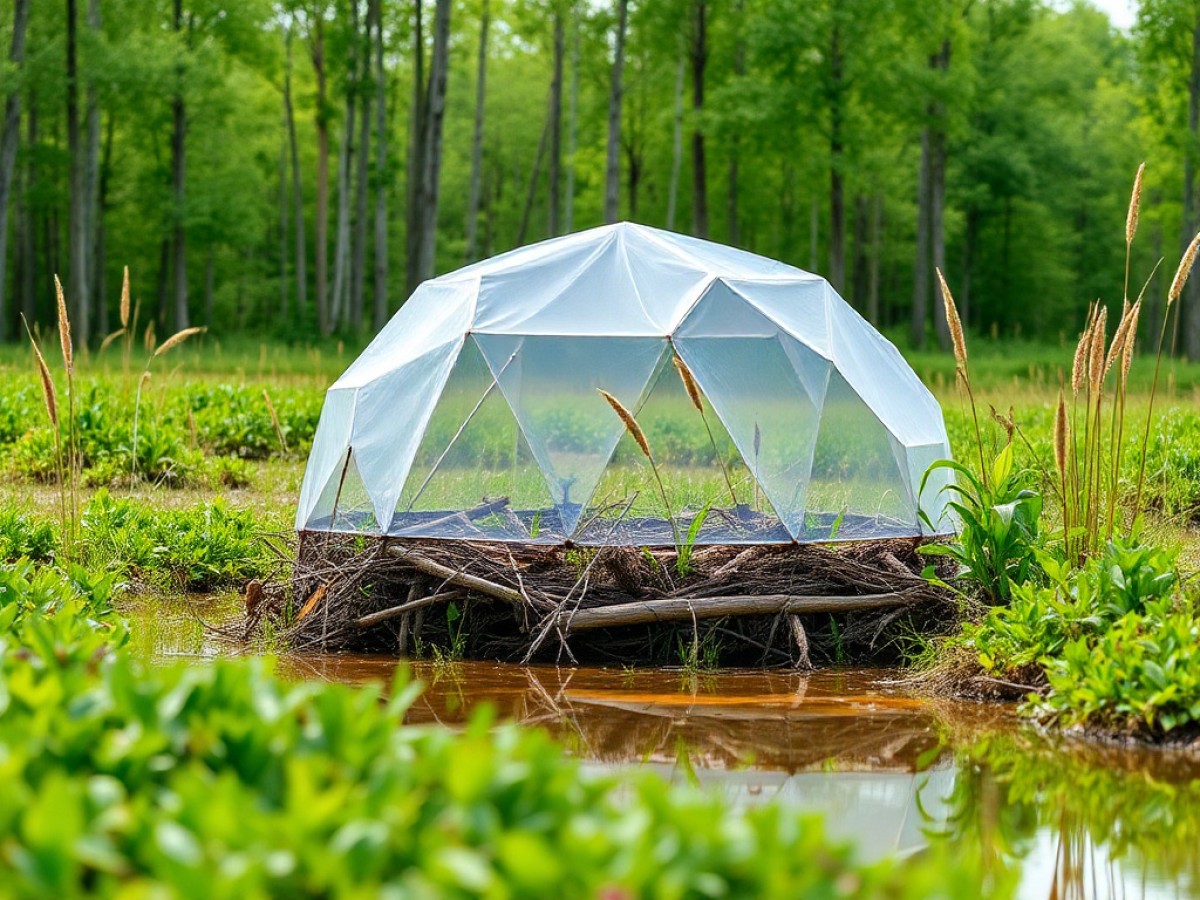
Transforming an Old Cranberry Bog: A Milestone in Wetland Restoration
In Massachusetts, a retired cranberry bog has become a pivotal example of how wetland restoration can be effectively implemented. This project not only represents an ecological revival but also sets a precedent for similar environments across the region.
The Background of the Bog
Cranberry farming, a long-standing industry in Massachusetts, often involves altering wetlands to create suitable conditions for the crops. However, over time, this practice can lead to degraded ecosystems. Recognizing the need for restoration, efforts were initiated to return these modified landscapes to their natural state.
The Restoration Process
The process of restoring the old cranberry bog began with careful planning and assessment of the area’s original hydrology and ecosystem. The goal was to reestablish the natural water flow and reintroduce native plant species. This task required detailed knowledge of the site’s original conditions and the impact of cranberry cultivation practices.
Experts involved in the restoration dismantled the structures that supported cranberry cultivation, such as dikes and channels that controlled water flow. They then worked to restore the natural hydrological patterns, which are crucial for a healthy wetland ecosystem.
The Importance of Native Vegetation
An essential part of the restoration was the reintroduction of native plants. These plants are vital for the ecological integrity of the wetland, providing habitat, food sources for wildlife, and contributing to the overall biodiversity of the area. Selecting the right species was a meticulous process that involved understanding which plants were originally part of the ecosystem and could thrive under current conditions.
Impacts and Outcomes
The restored wetland has seen a significant positive impact on local wildlife. Species that had been absent or rare in the area started returning, indicating a successful initial phase of the ecosystem’s recovery. This resurgence of biodiversity is a promising sign that the wetland is on its way to becoming a self-sustaining ecosystem.
Moreover, the project serves as a valuable case study for other regions with similar degraded wetlands. The techniques and strategies developed here can be adapted and applied elsewhere, potentially improving wetland restoration efforts globally.
Looking Forward
The success of the cranberry bog restoration offers hope and a model for future projects. It underscores the possibility of balancing human agricultural practices with ecological preservation and restoration. As communities and environmental professionals continue to learn from and improve upon these techniques, the health and diversity of wetlands like the one in Massachusetts can be restored, benefiting both nature and the people who depend on these ecosystems.
Similar Posts:
- Invasive Species Alert: Colombia’s Largest Coastal Wetland at Risk!
- New Orleans Marsh Shields 1.5 Million Lives: Louisiana’s Plan to Save Vital Barrier
- Revolutionary DNA Breakthrough: Speeding Up Restoration of America’s Iconic Chestnut Trees!
- South Carolina Wetland Restoration: How Friends are Uniting Their Community
- Louisiana’s Battle Against Storms: 30,000 Trees Planted in 4 Years to Strengthen Coast

Morgan Ellis is an investigative journalist passionate about environmental policy and corporate accountability. With a background in climate science and years of reporting for nonprofit media, Morgan brings depth, clarity, and purpose to every story.