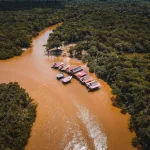
Migrants Have Largely Departed the Darien Gap, Leaving Behind an Environmental Catastrophe
The Darien Gap, a notorious and treacherous stretch of dense forest that lies between Colombia and Panama, has long been a transit point for migrants aiming to reach North America. Recently, the flow of migrants through this perilous region has markedly decreased. However, the mass movement of people has resulted in significant environmental degradation, posing a new set of challenges for the area.
The Environmental Toll of Human Migration
As thousands of migrants traversed the Darien Gap, the once secluded and untouched natural environment faced unprecedented strain. The sheer volume of people moving through the dense forest not only disrupted local wildlife but also led to widespread littering and damage to the vegetation. Paths, often created haphazardly, have scarred the landscape, and the removal of plants and trees to create these routes has potentially altered the ecosystem permanently.
The accumulation of garbage, including plastic bottles, food wrappers, and other non-biodegradable materials, has compounded the problem, contaminating soil and water sources. This pollution poses a serious threat to the flora and fauna of the region, some of which are endemic and already vulnerable to extinction.
Response and Recovery Efforts
The reduction in migrant traffic presents an opportunity to address and mitigate these environmental impacts. Local and international environmental groups have begun to assess the extent of the damage in order to strategize recovery efforts. These initiatives are crucial for the restoration of the Darien Gap’s unique biodiversity and the overall health of its ecosystem.
Efforts include the cleanup of trails and affected areas, reforestation projects to replace lost vegetation, and programs aimed at preserving the remaining wildlife. Additionally, education campaigns targeting future travelers about the importance of maintaining environmental integrity could help prevent further damage.
Long-Term Environmental Strategies
Sustainable solutions are essential to ensure the long-term recovery of the Darien Gap. These might include the implementation of stricter regulations on movement through the area to prevent future ecological damage. Developing alternative routes for migration that don’t involve crossing sensitive ecological zones could also be a viable approach.
Furthermore, engaging with local communities to monitor and protect the environment could empower those who live closest to the affected areas, providing them with the tools and knowledge necessary to lead conservation efforts. This community involvement can help create a sense of stewardship and responsibility towards the natural surroundings.
Conclusion
While the decline in migrant numbers through the Darien Gap is a relief in terms of human safety and security, the environmental crisis left in their wake is a significant concern. Addressing this issue requires immediate action and a commitment to sustainable environmental practices. Through concerted efforts, it is possible to heal the wounds inflicted on this vital ecological corridor and prevent similar crises in the future.
Similar Posts:
- Stunning Snow Geese Migration Captured at Dawn: See the Breathtaking Photos!
- New Orleans Marsh Shields 1.5 Million Lives: Louisiana’s Plan to Save Vital Barrier
- Revolutionary Wetland Restoration: Retired Cranberry Bog Transforms Environmental Tactics!
- Bald Eagle Hatchlings in Chicago Park: City’s First in Over 100 Years!
- UN Responds to Syrian Wildfire Crisis: Hundreds Evacuated as Flames Ravage Coast

Morgan Ellis is an investigative journalist passionate about environmental policy and corporate accountability. With a background in climate science and years of reporting for nonprofit media, Morgan brings depth, clarity, and purpose to every story.