In the chilly autumn of 1962, the brink of global annihilation was alarmingly close. A revelation by a U.S. reconnaissance aircraft that the Soviet Union was constructing nuclear missile bases in Cuba, a mere stone’s throw from American soil, prompted President John F. Kennedy to command the U.S. Navy’s Sixth Fleet to encircle the island with a naval blockade. This initiated nearly two weeks of excruciating tension.
The stakes were immense. Should Kennedy or his Soviet counterpart, Nikita Khrushchev, have decided to launch missiles, it would likely have triggered a series of nuclear retaliations that could have decimated humanity.
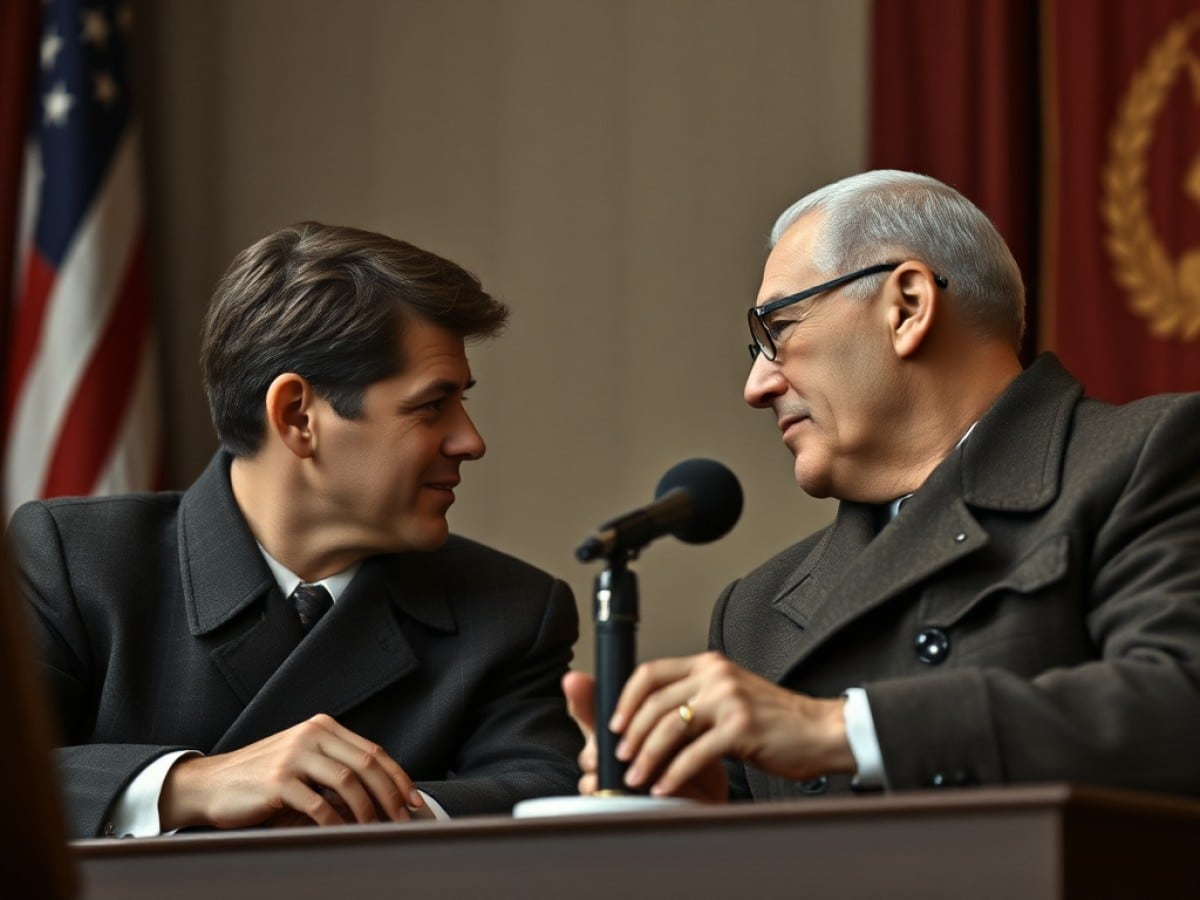
The Cuban missile crisis has been extensively documented through various media such as books, films, and television. Yet, the third season of the BBC World Service podcast “The Bomb” introduces a fresh perspective to this historical event. It features hosts Max Kennedy and Nina Khrushcheva, descendants of the key players in this historical standoff.
Khrushcheva, the great-granddaughter of Khrushchev and a professor at the New School in New York, poses critical questions on the podcast: “What were the Soviets thinking? What were the Americans thinking?” She appreciates the show for its impartial exploration of conflict and human relations.
Kennedy, a son of Robert Kennedy, nephew of JFK, and a professional author and lawyer, reflects on the irony of human relationships. “It’s fascinating how people can either be allies or adversaries,” he observes, lamenting the folly of war seen throughout history.
What made the Cuban missile crisis particularly notable was its very public nature, allowing people worldwide to watch as events unfolded, teetering on the edge of disaster. Kennedy points out a lesser-known fact: “Almost everyone in the White House was advocating for an airstrike and invasion. Had we attacked, the Russians would have responded with nuclear arms against our fleet, leading to catastrophic mutual destruction.”
The image of both Kennedy and Khrushcheva symbolizes a significant historical moment and reflects a unique collaboration between families once on opposing sides of a potential nuclear war.
The crisis did not escalate thanks to the level-headed diplomacy of Kennedy and Khrushchev. As the podcast hosts discuss, this crisis could have further solidified U.S.-Soviet relations if not for the subsequent assassination of Kennedy and the political ousting of Khrushchev.
For many, the tension of those 13 days in October was palpable. Kennedy and Khrushcheva, both born just after the crisis, learned of these events through their respective family and national histories, which offered differing perspectives.
“In the Soviet Union, we were shielded from the crisis,” Khrushcheva explains, contrasting with her family’s proud recount of the Soviet leadership’s nerve during the standoff.
The podcast, praised for its balanced narrative, almost made Khrushcheva forget she knew how the crisis ended. This is attributed to the insightful contributions from historians and the remarkable involvement of the hosts themselves, bridging a historical divide.
Khrushcheva shares a hopeful note about post-Cold War relations, citing her uncle’s move to the U.S. and his friendships with American counterparts as examples. Kennedy adds, “Meeting Nina for the podcast was a revelation. Our newfound friendship symbolizes a safer world, a testament to how far we’ve come since those perilous days.”
However, contemporary global tensions cast a shadow over this optimism. Kennedy expresses concern over current leaders’ understanding of historical lessons, which could prevent future crises. “The experience of combat, seen by Kennedy and Khrushchev, profoundly influenced their decisions. I’m not sure today’s leaders have that perspective,” he worries.
Both hosts agree that the current political climate lacks the personal touch and responsibility that helped resolve the missile crisis. They ponder whether today’s leaders could learn from the past to avoid conflict.
Similar Posts:
- China Expands Military Might: New Launch Pads Built Near Nuclear Missile Silos
- Breaking News: 32 Cuban Officers Killed in US Venezuela Operation: Tensions Escalate!
- Experts Warn: Full-Scale Nuclear Tests Could Spell Disaster for US
- Major Setback: Aircraft Carriers Delayed for Years Amid Production Challenges
- Trump-Putin Summit at Alaska Base: Historical Site for Countering Russia

Fatima Clarke is a seasoned health reporter who bridges medical science with human stories. She writes with compassion, precision, and a drive to inform.